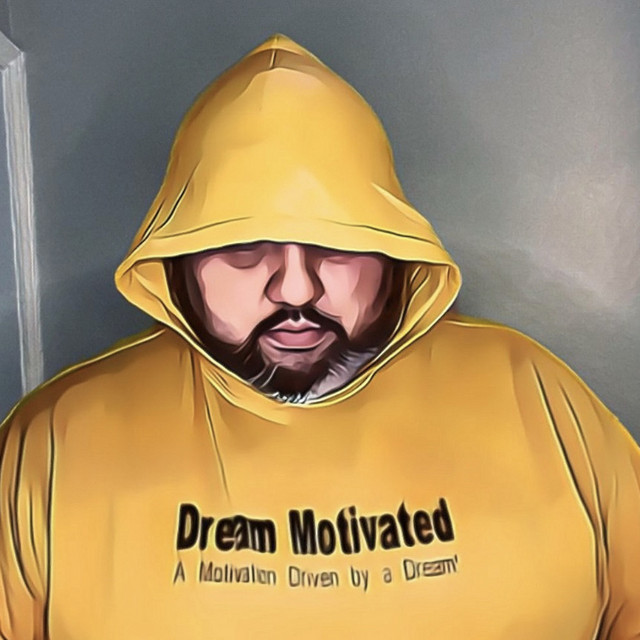
Sleep-E-J

Hip Hop
Contemporary Hip Hop
 Viberate Rank: 805359
 Viberate Rank: 805359
 Monthly ListenersFollowers
 Subscribers
 Followers
 Followers
 FansTop Spotify Songs
| Track | 7-Day Streams | |
|---|---|---|
1 | 4 | |
2 | 3 | |
3 | 1 | |
4 | 1 |
Top YouTube VideosMonthly ListenersFeatured in Playlists| Playlist | Followers | |
|---|---|---|
1 |  NEW RAP SONGS 2022 🎵🎧🎤 Sands Random | 6.10K |
2 | HYPE | 3.35K |
3 |  Remixes 2026 Seal Network | 3.18K |
Audience| City | Monthly Listeners | |
|---|---|---|
1 | | 36 |
2 | | 27 |
3 | | 23 |
4 | | 12 |
5 | | 10 |
See full performance history, audience data, playlist activity, rankings, comparisons, and more in Viberate music analytics. Start with a free trial, then continue with a paid plan.
Sleep-E-J’s Spotify BioJuan Valdespino better known by his stage name Sleep-E-J is a rapper, music producer and podcast host that grew up in St. Louis, MO. Sleep’s love of music stems from early childhood, with his mother playing classic rock and Motown hits around the house, his uncles would play classic 70’s and 80’s rock when working for them. His brother who would introduce him to 90’s Hip Hop. Sleep's favorite rapper would be 2pac.
In 2005 Sleep-E-J founded his own music label, Valdespino Music Productions LLC (or V.M.P for short). Inspired by the labels at the top of their game during the 90’s like Death Row, No Limit and Rap-A-Lot, V.M.P was created to provide new life opportunities for Sleep and his family, the dream is to be the biggest independent label and not hinder the artist creative process.
While also trying to grow V.M.P, he signed to an indie record label in 2009 where he released the sophomore album ‘It Was All A Dream’. Which followed his debut album ‘Doubted By Many Hated By More’ in 2008… released by V.M.P. In 2011 while recording his follow up album to 'Its was All A Dream' the company went under and the album would never be released by the label. In 2013 he rereleased his first two albums digitally, along with his third album ‘Dream Big’. In 2014 he would then release the EP ‘Dream On’. Now in 2020 Sleep-E-J releases weekly podcast episodes called ‘Sleep Talkin’. He has released "Late Nights beat tape", "Sweet Dreams beat tape" and "Love the Game' Single in 2020.
Viberate is a music analytics platform built for A&Rs, artist managers, labels, booking agents, marketers, and artists.
It helps music professionals track artist growth, analyze audience data, monitor playlist activity, compare artists, follow song performance, and identify opportunities across the music market.
Public artist pages provide a free preview of selected artist data. Paid plans provide access to deeper analytics, historical data, charts, comparisons, playlist tools, exports, alerts, reports, and additional professional features.
Yes. Public Viberate artist pages provide selected artist analytics and music data for free.
Viberate also offers a 7-day free trial of the full platform. A credit card is required to start the trial. The trial includes access to the complete product so users can test deeper artist analytics, historical views, playlist insights, comparisons, charts, exports, alerts, and reporting features before choosing a paid plan.
Viberate provides artist analytics across streaming, playlists, social media, video, radio airplay, songs, and audience markets.
Users can analyze Spotify performance, Spotify and Apple Music playlists, YouTube activity, TikTok and Instagram growth, radio spins, song performance, audience locations, demographics, rankings, and overall artist momentum.
Artist profiles also connect to music charts, similar artists, and comparison tools, helping users benchmark performance and evaluate artists in context.
Viberate updates key artist and track data daily.
For followed artists and tracks, selected data is refreshed multiple times per day. This helps teams monitor playlist changes, streaming movement, audience growth, releases, and campaign performance with more current data.
Update frequency can vary depending on the metric and data source.
Yes. Viberate lets users compare up to five artists side by side across streaming, social media, audience, and engagement metrics.
Users can compare fanbase growth, audience demographics, locations, Spotify performance, social metrics, and other artist data over selected time periods.
Artist comparison can be used for A&R scouting, benchmarking, booking decisions, campaign planning, and evaluating artists with similar audiences or market positions.