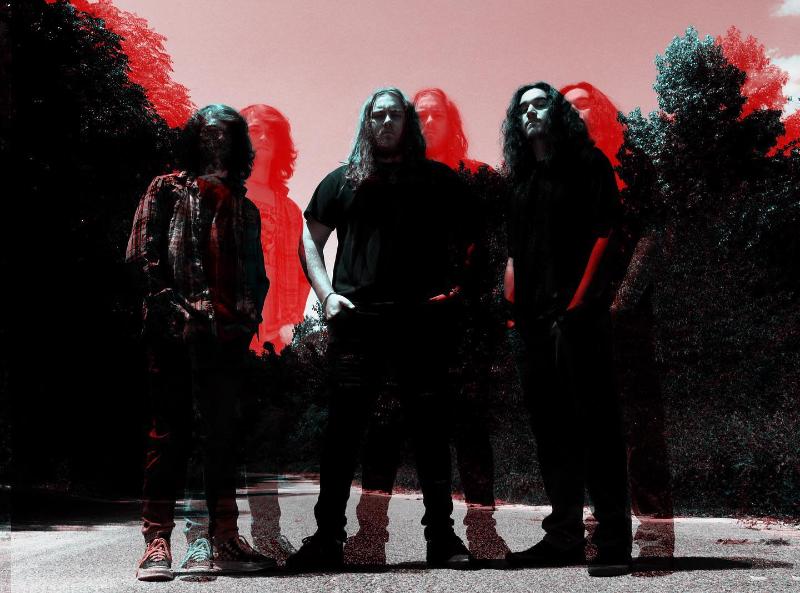
Slackjaw

Metal
Heavy Metal
Groove Metal
 Viberate Rank: 54251
 Viberate Rank: 54251
 Monthly ListenersFollowers
 Subscribers
 Followers
 Followers
 FansTop Spotify Songs
| Track | 7-Day Streams | |
|---|---|---|
1 | 8.39K | |
2 | 6.20K | |
3 | 4.42K | |
4 | 3.68K | |
5 | 3.48K |
Top YouTube VideosMonthly ListenersFeatured in Playlists| Playlist | Followers | |
|---|---|---|
1 |  Thrashers Spotify | 586.86K |
2 |  Hell yeah core💪🔱 arvideckeskog | 45.89K |
3 | some shit v4 yuv41 | 9.92K |
4 |  songs to eat glass to Machine Girl | 8.90K |
5 |  PR TIME RAHHHHHHH ReeceG518 | 6.37K |
Audience| City | Monthly Listeners | |
|---|---|---|
1 | | 806 |
2 | | 666 |
3 | | 618 |
4 | | 550 |
5 | | 519 |
See full performance history, audience data, playlist activity, rankings, comparisons, and more in Viberate music analytics. Start with a free trial, then continue with a paid plan.
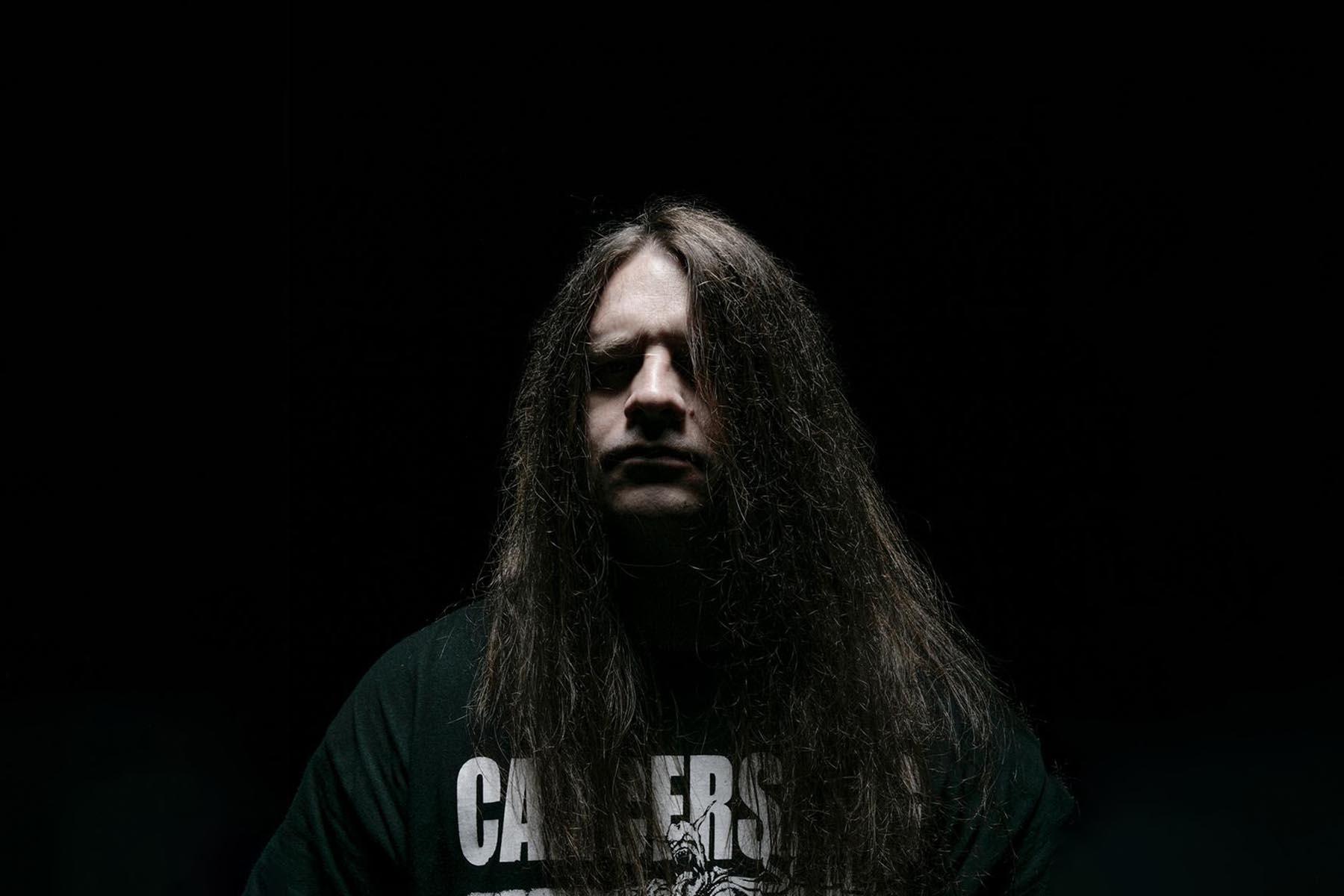
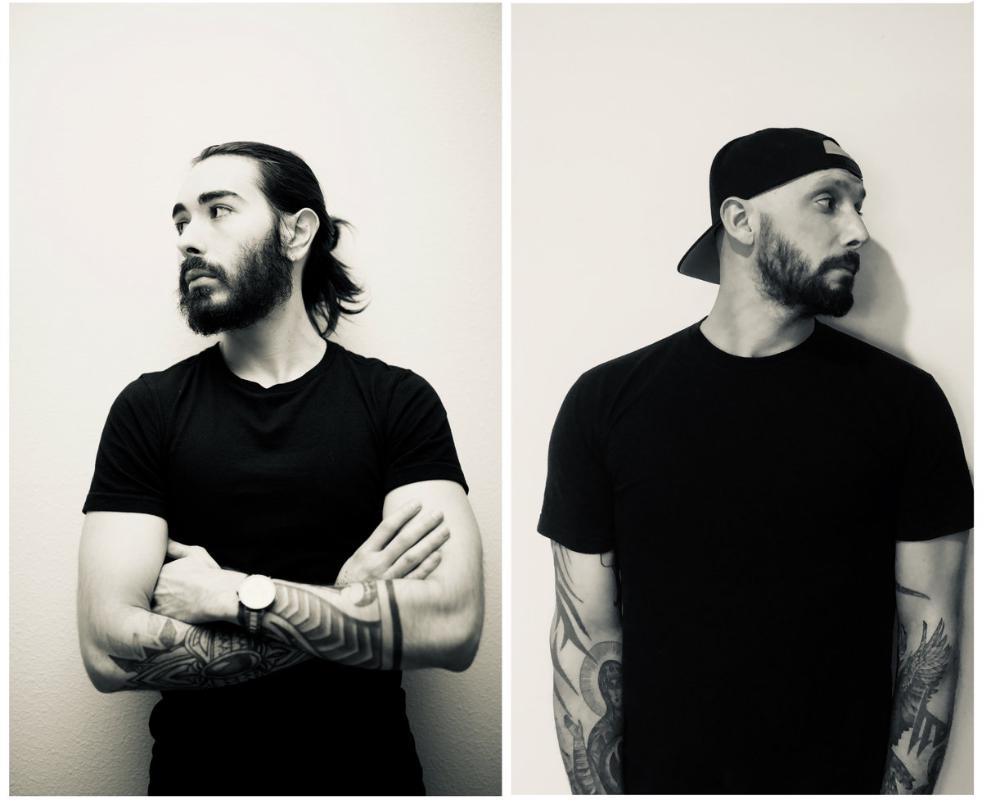
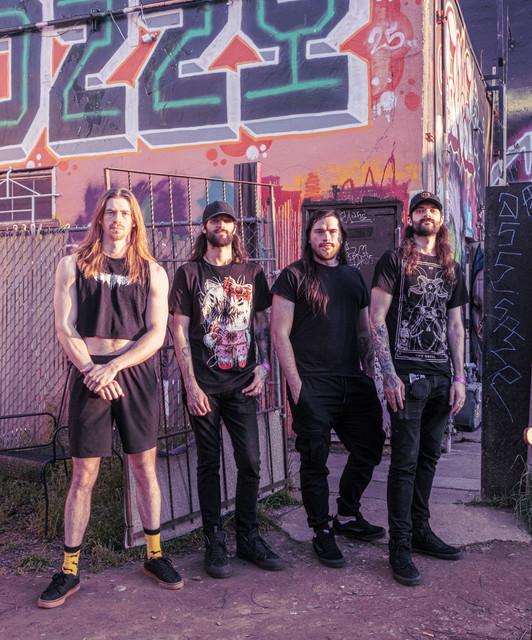
Slackjaw’s Spotify BioSlackjaw is an American heavy metal trio based in South Carolina. The band was formed when Dallas Young (vocals, rhythm guitar, bassist), also widely known online as Soup, met Brady Riggenbach (lead guitarist) in 2017. Jacob Rigdon (drummer) was added to complete the trio in July 2021. Despite various lineup changes, Dallas and Brady held the band's vision together by taking on multiple roles in the studio, with Brady being the studio drummer on almost every track to date. Through a mutual interest in Black Label Society and Pantera, Dallas and Brady quickly started writing material. The band's first single, "Caught in the Crossfire," and their first studio album, "Ritual of Dissonance," were met with astounding appraisal from old and new fans alike. When the band formed, they gathered an impressive online following with no management, label, or supporting tour. With influences such as Pantera, Metallica, Slayer, Megadeth, Meshuggah, Black Label Society, Tool, and many others, there’s… no question this metal band has one goal: to follow in their predecessors' footsteps and make albums that will stand the test of time.
Viberate is a music analytics platform built for A&Rs, artist managers, labels, booking agents, marketers, and artists.
It helps music professionals track artist growth, analyze audience data, monitor playlist activity, compare artists, follow song performance, and identify opportunities across the music market.
Public artist pages provide a free preview of selected artist data. Paid plans provide access to deeper analytics, historical data, charts, comparisons, playlist tools, exports, alerts, reports, and additional professional features.
Yes. Public Viberate artist pages provide selected artist analytics and music data for free.
Viberate also offers a 7-day free trial of the full platform. A credit card is required to start the trial. The trial includes access to the complete product so users can test deeper artist analytics, historical views, playlist insights, comparisons, charts, exports, alerts, and reporting features before choosing a paid plan.
Viberate provides artist analytics across streaming, playlists, social media, video, radio airplay, songs, and audience markets.
Users can analyze Spotify performance, Spotify and Apple Music playlists, YouTube activity, TikTok and Instagram growth, radio spins, song performance, audience locations, demographics, rankings, and overall artist momentum.
Artist profiles also connect to music charts, similar artists, and comparison tools, helping users benchmark performance and evaluate artists in context.
Viberate updates key artist and track data daily.
For followed artists and tracks, selected data is refreshed multiple times per day. This helps teams monitor playlist changes, streaming movement, audience growth, releases, and campaign performance with more current data.
Update frequency can vary depending on the metric and data source.
Yes. Viberate lets users compare up to five artists side by side across streaming, social media, audience, and engagement metrics.
Users can compare fanbase growth, audience demographics, locations, Spotify performance, social metrics, and other artist data over selected time periods.
Artist comparison can be used for A&R scouting, benchmarking, booking decisions, campaign planning, and evaluating artists with similar audiences or market positions.