Sky Saxon

Rock
Garage Rock
Pop Rock
Psychedelic Rock
 Viberate Rank: 395603
 Viberate Rank: 395603
 Monthly ListenersFollowers
 Subscribers
 Followers
 Followers
 FansTop Spotify Songs
| Track | 7-Day Streams | |
|---|---|---|
1 | 503 | |
2 | 85 | |
3 | 83 | |
4 | 64 | |
5 | 25 |
Top YouTube VideosMonthly ListenersFeatured in Playlists| Playlist | Followers | |
|---|---|---|
1 | Garage Rock & 60's Punk Robopjokk | 14.47K |
2 | Sixties Top 2600 Hitsallertijden Willy Hermans | 6.23K |
3 | Stoner Rock/Stoner Metal/Heavy Psych/Occult (old vs new) ragazzo-gr | 5.34K |
4 | Psycadelic Rock Andy Wechselberger | 3.82K |
5 |  RARE THE NANAS Rare The Nanas | 3.13K |
Audience| City | Monthly Listeners | |
|---|---|---|
1 |  | 33 |
2 |  | 30 |
3 |  | 28 |
4 | | 27 |
5 | | 26 |
See full performance history, audience data, playlist activity, rankings, comparisons, and more in Viberate music analytics. Start with a free trial, then continue with a paid plan.
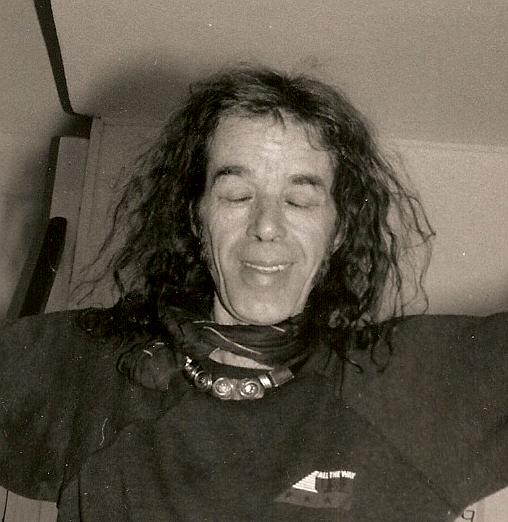
Sky Saxon’s Spotify BioAfter the breakup of the seminal psychedelic garage punk band the Seeds in 1969, frontman Sky Saxon (born Richard Marsh) embarked on an erratic solo career in between stints as a mystical guru in Hawaii. Much of his post-Seeds work fit the mold of a curious 1960s relic, a hippie acid casualty with a strong cult following, in the mold of Roky Erickson. Saxon began his career under the name Little Richie Marsh, performing sugary, doo wop-influenced teenage pop in 1962. Changing his name to Sky Saxon, he joined two L.A. garage bands, the Soul Rockers and the Electra Fires, before forming the Seeds in 1965. Saxon continued to record under the Seeds' name following the group's official dissolution in 1969, releasing a series of singles that increasingly reflected a drug-induced separation from reality. Beginning in 1976, the late '70s saw the release of several albums credited to variously named outfits: Sky Sunlight, Sunstar, Sky "Sunlight" Saxon, the Universal Stars Band, Star's New Seeds… Band, Sunlight and the New Seeds, and so on. 1983 saw the release of a rarities collection, New Fruit From Old Seeds: The Rare Sky Saxon, Vol. 1 (there never was a planned Vol. 2), which contained material dating back to Saxon's pre-Seeds days. Saxon, who had not produced any new albums since 1978, returned on the U.K. Psycho label in 1984 with Starry Ride, which featured support from Steppenwolf's Mars Bonfire (composer of "Born to Be Wild"), as well as former members of Iron Butterfly and Fraternity of Man. The Saxon/Bonfire collaboration reached full fruition in the group Firewall, who debuted with the album A Groovy Thing in 1986 (Destiny's Children features the same songs in a different order). Firewall featured guest appearances from members of such California neo-psychedelic bands as the Dream Syndicate, the Plimsouls, the Droogs, and Yard Trauma, demonstrating Saxon's enduring influence and appeal, particularly among that set of musicians. That same year, Saxon recorded a largely unrehearsed live album with Purple Electricity, a one-off project featuring members of Redd Kross and the Primates, entitled Private Party. Firewall returned in 1988 with In Search of Brighter Colors, which was released in the U.S. as World Fantastic, with several rare '80s cuts replacing the former version's weaker tracks. Saxon has since returned to Hawaii. ~ Steve Huey, Rovi
Viberate is a music analytics platform built for A&Rs, artist managers, labels, booking agents, marketers, and artists.
It helps music professionals track artist growth, analyze audience data, monitor playlist activity, compare artists, follow song performance, and identify opportunities across the music market.
Public artist pages provide a free preview of selected artist data. Paid plans provide access to deeper analytics, historical data, charts, comparisons, playlist tools, exports, alerts, reports, and additional professional features.
Yes. Public Viberate artist pages provide selected artist analytics and music data for free.
Viberate also offers a 7-day free trial of the full platform. A credit card is required to start the trial. The trial includes access to the complete product so users can test deeper artist analytics, historical views, playlist insights, comparisons, charts, exports, alerts, and reporting features before choosing a paid plan.
Viberate provides artist analytics across streaming, playlists, social media, video, radio airplay, songs, and audience markets.
Users can analyze Spotify performance, Spotify and Apple Music playlists, YouTube activity, TikTok and Instagram growth, radio spins, song performance, audience locations, demographics, rankings, and overall artist momentum.
Artist profiles also connect to music charts, similar artists, and comparison tools, helping users benchmark performance and evaluate artists in context.
Viberate updates key artist and track data daily.
For followed artists and tracks, selected data is refreshed multiple times per day. This helps teams monitor playlist changes, streaming movement, audience growth, releases, and campaign performance with more current data.
Update frequency can vary depending on the metric and data source.
Yes. Viberate lets users compare up to five artists side by side across streaming, social media, audience, and engagement metrics.
Users can compare fanbase growth, audience demographics, locations, Spotify performance, social metrics, and other artist data over selected time periods.
Artist comparison can be used for A&R scouting, benchmarking, booking decisions, campaign planning, and evaluating artists with similar audiences or market positions.