Skullflower

Rock
Psychedelic Rock
Noise Rock
 Viberate Rank: 353767
 Viberate Rank: 353767
 Monthly ListenersFollowers
 Subscribers
 Followers
 Followers
 FansTop Spotify Songs
| Track | 7-Day Streams | |
|---|---|---|
1 | 58 | |
2 | 44 | |
3 | 41 | |
4 | 40 | |
5 | 31 |
Top YouTube VideosMonthly ListenersFeatured in Playlists| Playlist | Followers | |
|---|---|---|
1 |  The Sound of Noise Rock The Sounds of Spotify | 6.06K |
2 |  Heavy Psychedelic & Noise Rock Felix | 1.80K |
3 |  2025 Karly | 1.71K |
4 |  Harsh Noise / Dark Ambient / Power Electronics Mark Paula | 1.46K |
5 |  The Sound of Power Electronics The Sounds of Spotify | 1.06K |
Audience| City | Monthly Listeners | |
|---|---|---|
1 | | 14 |
2 |  | 13 |
3 | | 10 |
4 |  | 10 |
5 | | 10 |
See full performance history, audience data, playlist activity, rankings, comparisons, and more in Viberate music analytics. Start with a free trial, then continue with a paid plan.
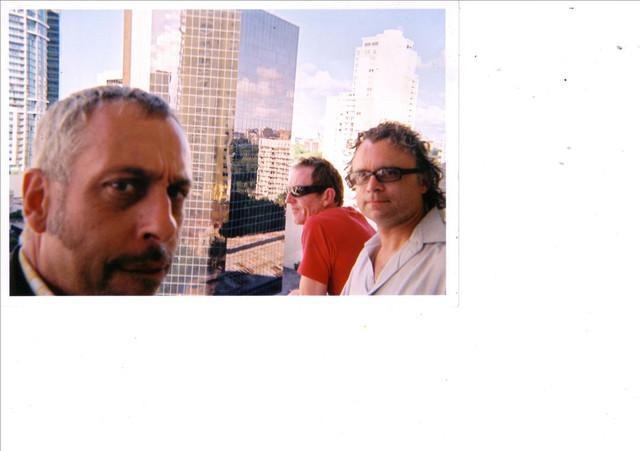
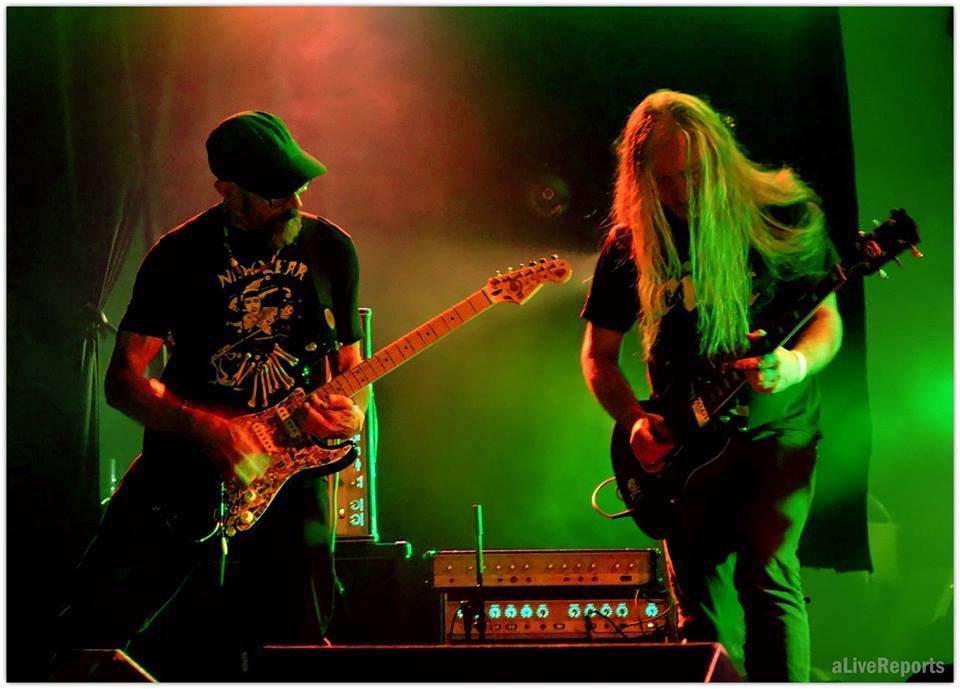
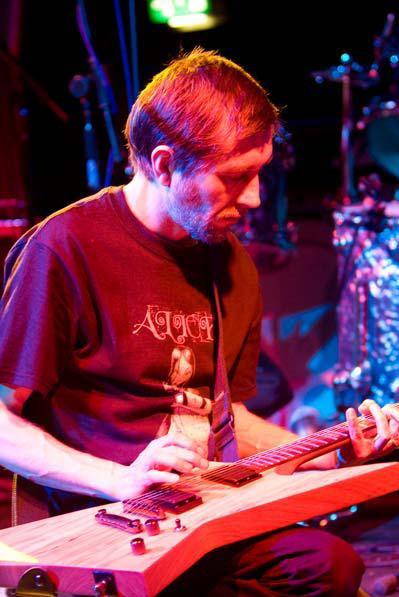
Skullflower’s Spotify BioSkullflower is a British noise rock band formed in 1987 who served as the flagship band of the Broken Flag collective, a group of experimental noise rock bands from the U.K. (most notably Ramleh, Total, and Sunroof!) that often swapped ideas and personnel. Led by guitarist Matthew Bower, the prolific Skullflower boasted the largest cult following of the bunch, with a sound based on sludgy, stomping, doom-garage riffs overlaid with hallucinatory feedback, fuzzed-out guitar noise, dark ambience, and monolithic drones derived from power electronics and throttling rhythms, all played at an ungodly volume. Their lyrical subject matter is obsessed with death, violence, misanthropy, and sexual deviancy. Always an improvisational outfit, their textured noise freakouts grew increasingly free-form over the course of their career, moving farther and farther away from even loose definitions of "rock." While recordings such as 1989's Form Destroyer and 1995's Transformer revealed a true post-punk… approach to rock, later offerings such as 2008's Taste the Blood of the Deceiver and 2010's Strange Keys to Untune Gods' Firmament revealed an evolving sound that relied more on sonic deconstruction and spontaneous improvisation than formal process.
Skullflower was formed in London in 1987, growing out of guitarist Matthew Bower's previous band, Total (which subsequently turned into a solo side project). Skullflower's early core members were Bower, drummer Stuart Dennison (the only other constant besides Bower), and bassist/guitarist Stefan Jaworzyn. The lineup was fairly fluid, however, especially early on; other contributors included guitarist Gary Mundy (also the leader of Ramleh), bassist Alex Binnie, bassist/drummer Stephen Thrower (also of Coil), and auxiliary bassist/guitarist/drummer Anthony DiFranco (also known as JFK). Initially recording for the Broken Flag label, a community enterprise that also handled Ramleh and Total, Skullflower made their recorded debut with the 1988 EP Birthdeath and followed it with the full-length Form Destroyer in 1989. Like much of their subsequent output, both releases were pressed in extremely limited quantities. Material from both was included on 1990's Ruins, the group's first release on Jaworzyn's Shock label; several tracks appeared in remixed form.
The contentious mixing process for Skullflower's next release, 1990's Xaman, spelled the end of Jaworzyn's involvement in the group. Bower subsequently recruited Anthony DiFranco to take over full-time bass duties, and this trio recorded 1992's IIIrd Gatekeeper for Godflesh guitarist Justin Broadrick's HeadDirt label; they also toured as Godflesh's opening act that fall. Two more albums followed in 1993: Last Shot at Heaven, on Noiseville, and Obsidian Shaking Codex, on RRR. By this time, DiFranco was decreasing his involvement in the group, and eventually left altogether to record as Ax; his place was filled by official second guitarist Russell Smith, formerly of Terminal Cheesecake.
Hereafter, Skullflower concentrated on free-form noise improv to a greater degree than ever before. Released by VHF in 1994, Carved Into Roses featured guest vocals from Philip Best (also of Ramleh and Whitehouse), plus Casio squiggles from Simon Wickham-Smith. The year 1995 was prolific even for Skullflower: Argon (issued on Freek) added horn players John Godbert and Tim Hodgkinson to the overall din, while Infinityland (a second effort for HeadDirt) again welcomed Best and Wickham-Smith, and the live Adieu, All You Judges (back on Broken Flag) captured a joint performance with Ramleh. Arriving in 1996, Transformer was released on the prominent garage-oriented indie label Sympathy for the Record Industry, and marked a quieter, more ambient direction for the band, complete with strings. It was followed later that year by the similar This Is Skullflower, which appeared on VHF and featured Godbert on piano, as well as third guitarist Richard Youngs. Following that release, Matthew Bower opted to concentrate on his other bands, the even more improvisational Sunroof! and Total, and retired the Skullflower name.
Bower and Dennison resurrected the group in 2003, recording Exquisite Fucking Boredom for the tUMULt label along with guitarist Mark Burns and bassist Steve Martin; it was co-produced by Neil Campbell (Vibracathedral Orchestra, ex-Total) and Colin Potter (Nurse with Wound). Orange Canyon Mind and Tribulation appeared on Crucial Blast in 2005 and 2006, respectively; both were primarily recorded by Bower solo. From there, Skullflower became more prolific (as well as drone-based) than ever, with a barrage of releases on numerous labels, ranging from limited, self-released CD-Rs to ambitious box sets. The year 2008 alone saw releases on Utech (Desire for a Holy War), Not Not Fun (Taste the Blood of the Deceiver LP and a split 7" with Axolotl), and Turgid Animal (Pure Imperial Reform and the three-CD box Circulos Vitiosus Deus). In 2009, Noiseville released Vile Veil, and Malediction appeared on Second Layer Records; Posh Isolation released a Skullflower/Limepit split LP.
The year 2010 began with Neurot Recordings' release of Skullflower's double-CD Strange Keys to Untune Gods' Firmament. The group made its debut on power electronics label Cold Spring with 2011's Fucked on a Pile of Corpses, which included input from Samantha Davies, George Proctor, and Lee Stokoe. Split albums with Mastery and Utarm appeared in 2013, while Shock/Dirter Promotions released Kino I-IV, a box set of material from the group's early years. Bower and Davies recorded the double-CD Draconis, which was released by Cold Spring in 2014. Skullflower then began releasing numerous digital recordings through their Bandcamp page in 2015. Aside from the limited CD-R Military Temples (For Coil) and a collaborative cassette with Der Blutharsch, their first major physical release since Draconis was 2017's The Spirals of Great Harm, another epic double CD on Cold Spring. Soon after, the Egyptian label Nashazphone released Skullflower's LP The Black Iron That Fell from the Sky, To Dwell Within (Bear It or Be It). ~ Steve Huey, Rovi
Viberate is a music analytics platform built for A&Rs, artist managers, labels, booking agents, marketers, and artists.
It helps music professionals track artist growth, analyze audience data, monitor playlist activity, compare artists, follow song performance, and identify opportunities across the music market.
Public artist pages provide a free preview of selected artist data. Paid plans provide access to deeper analytics, historical data, charts, comparisons, playlist tools, exports, alerts, reports, and additional professional features.
Yes. Public Viberate artist pages provide selected artist analytics and music data for free.
Viberate also offers a 7-day free trial of the full platform. A credit card is required to start the trial. The trial includes access to the complete product so users can test deeper artist analytics, historical views, playlist insights, comparisons, charts, exports, alerts, and reporting features before choosing a paid plan.
Viberate provides artist analytics across streaming, playlists, social media, video, radio airplay, songs, and audience markets.
Users can analyze Spotify performance, Spotify and Apple Music playlists, YouTube activity, TikTok and Instagram growth, radio spins, song performance, audience locations, demographics, rankings, and overall artist momentum.
Artist profiles also connect to music charts, similar artists, and comparison tools, helping users benchmark performance and evaluate artists in context.
Viberate updates key artist and track data daily.
For followed artists and tracks, selected data is refreshed multiple times per day. This helps teams monitor playlist changes, streaming movement, audience growth, releases, and campaign performance with more current data.
Update frequency can vary depending on the metric and data source.
Yes. Viberate lets users compare up to five artists side by side across streaming, social media, audience, and engagement metrics.
Users can compare fanbase growth, audience demographics, locations, Spotify performance, social metrics, and other artist data over selected time periods.
Artist comparison can be used for A&R scouting, benchmarking, booking decisions, campaign planning, and evaluating artists with similar audiences or market positions.