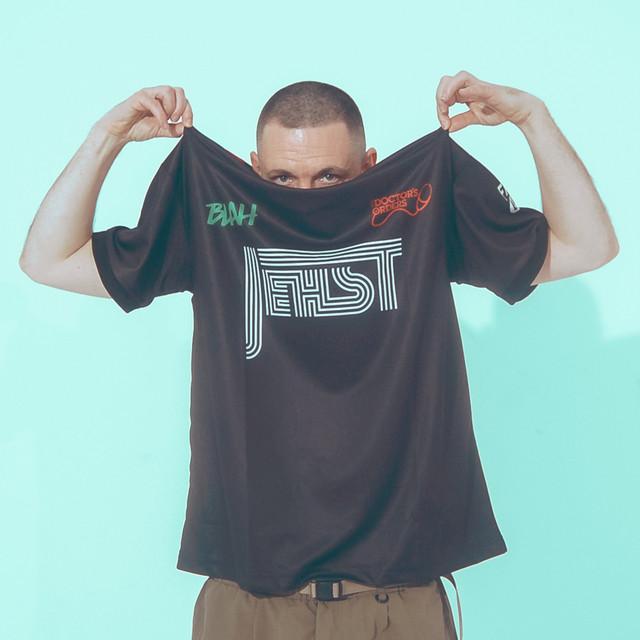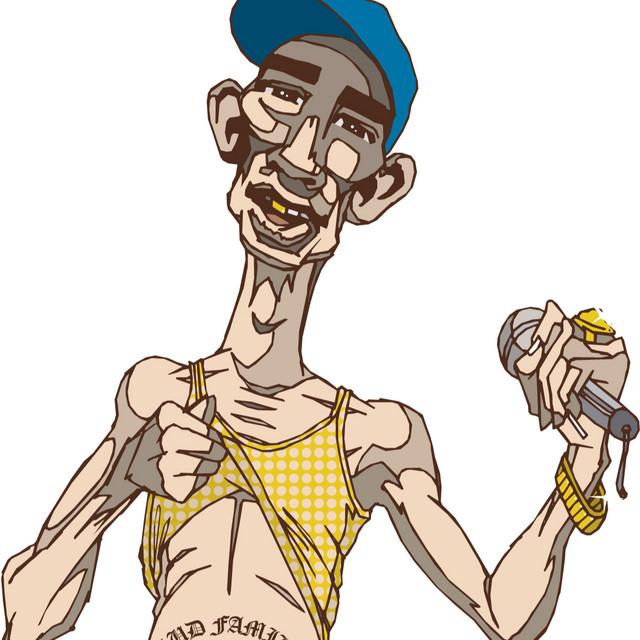
Skinnyman

Hip Hop
Contemporary Hip Hop
Alternative Hip Hop
 Viberate Rank: 113894
 Viberate Rank: 113894
 Monthly ListenersFollowers
 Subscribers
 Followers
 Followers
 FansTop Spotify Songs
| Track | 7-Day Streams | |
|---|---|---|
1 | 1.59K | |
2 | 1.22K | |
3 | 811 | |
4 | 667 | |
5 | 469 |
Top YouTube VideosMonthly ListenersFeatured in Playlists| Playlist | Followers | |
|---|---|---|
1 |  DUB, DUBSTEP & REGGAE OMEGA NEBULA | 43.77K |
2 |  Hip Hop 90s Greatest Hits R&B & Hip Hop Greatest Hits | 29.12K |
3 |  Indie Mixed Tape Spare Music | 28.43K |
4 |  Latest Hits - Today's Top Hits 2026 - Today's Top Hits - Latest Hits TM MUSIC | 26.32K |
5 |  Toy volao De.palida | 24.30K |
Audience| City | Monthly Listeners | |
|---|---|---|
1 |  | 1.90K |
2 | | 694 |
3 | | 301 |
4 | | 262 |
5 | | 261 |
See full performance history, audience data, playlist activity, rankings, comparisons, and more in Viberate music analytics. Start with a free trial, then continue with a paid plan.
Skinnyman’s Spotify BioBorn Alex Holland in Leeds, Skinnyman is one of the few British emcees that needs almost no introduction. Moving as a kid to Finsbury Park, North London, Skinny found a melting pot of cultures suddenly on his doorstep and immersed himself in the musical culture of reggae and dancehall. Highly influenced by Leroy, Chas and fast tongue-talking Papa San, he was introduced to rap at a very early age. While watching the first rappers such as Electro Ascension, Wiggy Wiggy, Grandmaster Melle Mel and Furious Five, he immediately realised he had been built for that.
When he was about 7, he had to do a school play and decided to write his own script for his part. He built himself a Rubik”s cube, put on a Rubik”s cube costume and did a rap about the Rubik”s cube and the mathematical structures of it. That was the first time he was onstage doing a rap.
Thank to his distinctive voice, Skinny easily progressed through open mic battles and consistently won titles around London. After becoming a… founding member of The Bury Crew, in the early 90”s skinnyman moved on to establish by himself the seminal Mud Family alongside Mongo and Chester P with whom he released lots of EPs. These included the underground hits “Itchy Town” and “Lash Suttin”, a reworking of Redman”s “Smash Something”. One of the best Hip Hop crews in England whether on vinyl, on stage freestyling or battling other MCs
Viberate is a music analytics platform built for A&Rs, artist managers, labels, booking agents, marketers, and artists.
It helps music professionals track artist growth, analyze audience data, monitor playlist activity, compare artists, follow song performance, and identify opportunities across the music market.
Public artist pages provide a free preview of selected artist data. Paid plans provide access to deeper analytics, historical data, charts, comparisons, playlist tools, exports, alerts, reports, and additional professional features.
Yes. Public Viberate artist pages provide selected artist analytics and music data for free.
Viberate also offers a 7-day free trial of the full platform. A credit card is required to start the trial. The trial includes access to the complete product so users can test deeper artist analytics, historical views, playlist insights, comparisons, charts, exports, alerts, and reporting features before choosing a paid plan.
Viberate provides artist analytics across streaming, playlists, social media, video, radio airplay, songs, and audience markets.
Users can analyze Spotify performance, Spotify and Apple Music playlists, YouTube activity, TikTok and Instagram growth, radio spins, song performance, audience locations, demographics, rankings, and overall artist momentum.
Artist profiles also connect to music charts, similar artists, and comparison tools, helping users benchmark performance and evaluate artists in context.
Viberate updates key artist and track data daily.
For followed artists and tracks, selected data is refreshed multiple times per day. This helps teams monitor playlist changes, streaming movement, audience growth, releases, and campaign performance with more current data.
Update frequency can vary depending on the metric and data source.
Yes. Viberate lets users compare up to five artists side by side across streaming, social media, audience, and engagement metrics.
Users can compare fanbase growth, audience demographics, locations, Spotify performance, social metrics, and other artist data over selected time periods.
Artist comparison can be used for A&R scouting, benchmarking, booking decisions, campaign planning, and evaluating artists with similar audiences or market positions.