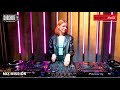
SKALA

Electronic
Techno
Deep House
 Viberate Rank: 240466
 Viberate Rank: 240466
 Monthly ListenersFollowers
 Subscribers
 Followers
 Followers
 FansTop Spotify Songs
| Track | 7-Day Streams | |
|---|---|---|
1 | 490 | |
2 | 457 | |
3 | 179 | |
4 | 149 | |
5 | 146 |
Top YouTube VideosMonthly ListenersFeatured in Playlists| Playlist | Followers | |
|---|---|---|
1 |  Techno Rave ali.dapar | 110.26K |
2 |  Sauna: Deep + Acid House Spotify | 46.22K |
3 |  Deep Techno Rene Rachfalski | 35.87K |
4 |  SOLOMUN IBIZA 2026 - PACHA Mario Pinta Music 🎶 | 28.37K |
5 | Dark Techno Kenny Dashner | 21.05K |
Audience| City | Monthly Listeners | |
|---|---|---|
1 | | 458 |
2 | | 190 |
3 | | 184 |
4 | | 175 |
5 |  | 121 |
See full performance history, audience data, playlist activity, rankings, comparisons, and more in Viberate music analytics. Start with a free trial, then continue with a paid plan.
SKALA’s Spotify BioComing from the vibrant city of Berlin, SKALA is a visionary music producer, vocalist, and DJ whose core mission is to catalyze emotional openness, which she likes to call "eSKALAtion."
Starting her musical journey as a child, she blends classical piano skills with modern electronic music.
SKALA's music is a masterful fusion of organic percussions, glitchy elements, and synthesized leads, creating a soundscape marked by heavy bass lines and airy melodies. She loves to play with contrasts in her productions and DJ sets, bridging dark and light elements together. This signature sound has captivated audiences worldwide and has been featured on esteemed labels including Innervisions, Stil vor Talent, Radikon, and more.
In 2023, SKALA expanded her influence in the music industry by co-founding the label Amaeo with her partner Theologos. This new venture aims to introduce innovative music and support emerging artists in the industry.
SKALA's global reach as a performer is impressive. She has… played at major venues and events around the world, including Off Sonar in Barcelona, Klein Phonix in Istanbul, Electric Brixton in London and did multiple tours across India, Central America, Europe, and various countries in the Middle East. Her international tours not only showcase her dynamic range as a DJ but also bring her unique sound and emotional resonance to a global audience.
Viberate is a music analytics platform built for A&Rs, artist managers, labels, booking agents, marketers, and artists.
It helps music professionals track artist growth, analyze audience data, monitor playlist activity, compare artists, follow song performance, and identify opportunities across the music market.
Public artist pages provide a free preview of selected artist data. Paid plans provide access to deeper analytics, historical data, charts, comparisons, playlist tools, exports, alerts, reports, and additional professional features.
Yes. Public Viberate artist pages provide selected artist analytics and music data for free.
Viberate also offers a 7-day free trial of the full platform. A credit card is required to start the trial. The trial includes access to the complete product so users can test deeper artist analytics, historical views, playlist insights, comparisons, charts, exports, alerts, and reporting features before choosing a paid plan.
Viberate provides artist analytics across streaming, playlists, social media, video, radio airplay, songs, and audience markets.
Users can analyze Spotify performance, Spotify and Apple Music playlists, YouTube activity, TikTok and Instagram growth, radio spins, song performance, audience locations, demographics, rankings, and overall artist momentum.
Artist profiles also connect to music charts, similar artists, and comparison tools, helping users benchmark performance and evaluate artists in context.
Viberate updates key artist and track data daily.
For followed artists and tracks, selected data is refreshed multiple times per day. This helps teams monitor playlist changes, streaming movement, audience growth, releases, and campaign performance with more current data.
Update frequency can vary depending on the metric and data source.
Yes. Viberate lets users compare up to five artists side by side across streaming, social media, audience, and engagement metrics.
Users can compare fanbase growth, audience demographics, locations, Spotify performance, social metrics, and other artist data over selected time periods.
Artist comparison can be used for A&R scouting, benchmarking, booking decisions, campaign planning, and evaluating artists with similar audiences or market positions.