Six Million Dead

Metal
Death Metal
Grindcore
 Viberate Rank: 526185
 Viberate Rank: 526185
 Monthly ListenersFollowers
 Subscribers
 Followers
 Followers
 FansTop Spotify Songs
| Track | 7-Day Streams | |
|---|---|---|
1 | 44 | |
2 | 31 | |
3 | 24 | |
4 | 16 | |
5 | 13 |
Top YouTube VideosMonthly ListenersFeatured in Playlists| Playlist | Followers | |
|---|---|---|
1 |  The Sound of Everything The Sounds of Spotify | 53.82K |
2 |  Indigenous Metal/Hardcore Gavin Fornelli | 1.70K |
3 |  Indigenous // Native Metal Shelby Bosch | 1.00K |
Audience| City | Monthly Listeners | |
|---|---|---|
1 | | 24 |
2 | | 8 |
3 | | 6 |
4 | | 5 |
5 | | 4 |
See full performance history, audience data, playlist activity, rankings, comparisons, and more in Viberate music analytics. Start with a free trial, then continue with a paid plan.
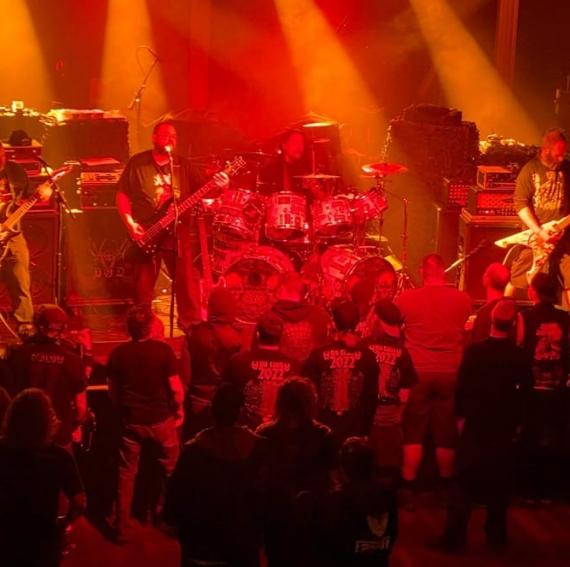
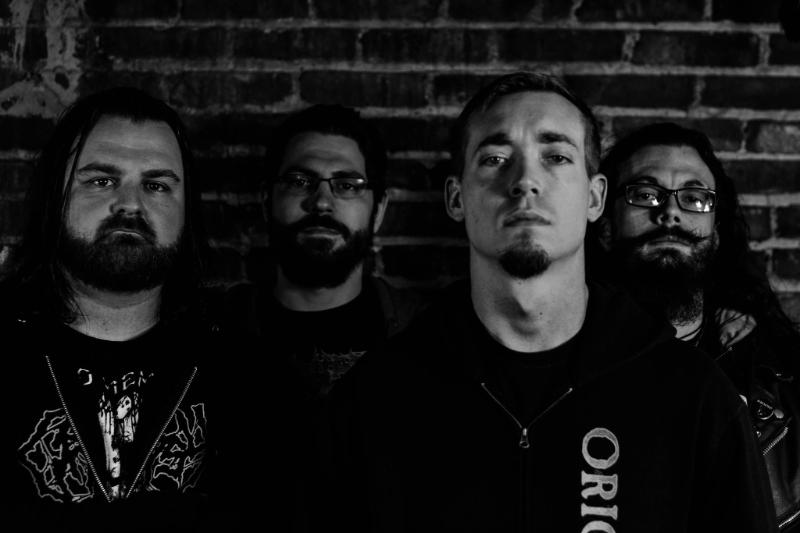
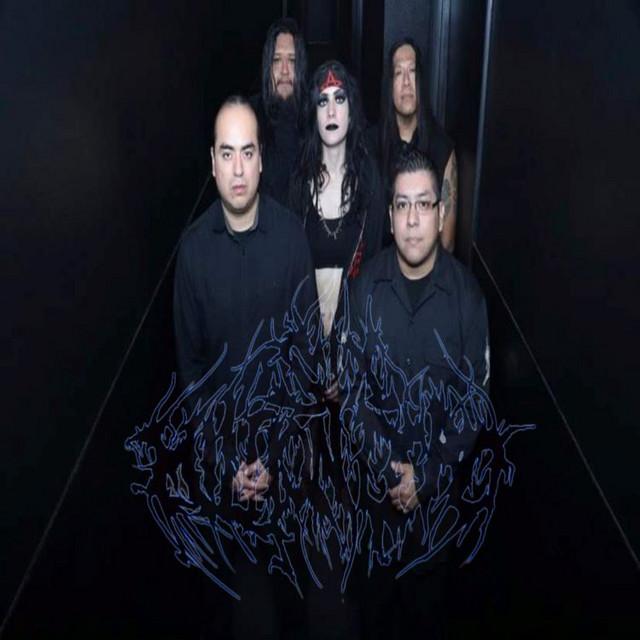
Six Million Dead’s Spotify BioFormed in 2005, Six Million Dead is a Blackened Death Metal band currently residing in Mesa, Arizona. Six Million Dead's current lineup are members of several Indigenous tribes in Southern Arizona. Six Million Dead's message is clear: that history should never be forgotten. The meaning of Six Million Dead is described as a horrendous number and a forever stain on humanity. Six Million Dead's lyrical theme is about the darkest corners of human behavior, Indigenous spirituality, and the genocides of North American tribes.
Six Million Dead has performed with a number of metal acts such as Gwar (rare unmasked performance), Dark Funeral, Deicide, Belphegor, The Black Dhalia Murder, Brujeria, Rotting Christ, Bloodbath, Archgoat, Soulfly, Nile, Goatwhore, Incantation, and many more.
Six Million Dead has also performed at Indigenous events such as : the Gathering of Nations Pow Wow, Navajo Nation Fair, Mul-Cha-Tha fair, Southern Ute Pow Wow, and on the San Carlos Apache Reservation.
Six Million… Dead has also performed at several benefit shows: Don Card Cancer Benefit Show, "Metal for Paul" Benefit Show, Indigenous Women's Leadership and Wellness fest, the Black Phoenix Organizing Collective and Arizona Indigenous Philanthropy benefit show, and have also collaborated with the Metal Heads Against Animal Cruelty/Neglect.
Six Million Dead continues to work hard and push the boundaries to bring recognition to the Indigenous metal aka Rez Metal scene.
Viberate is a music analytics platform built for A&Rs, artist managers, labels, booking agents, marketers, and artists.
It helps music professionals track artist growth, analyze audience data, monitor playlist activity, compare artists, follow song performance, and identify opportunities across the music market.
Public artist pages provide a free preview of selected artist data. Paid plans provide access to deeper analytics, historical data, charts, comparisons, playlist tools, exports, alerts, reports, and additional professional features.
Yes. Public Viberate artist pages provide selected artist analytics and music data for free.
Viberate also offers a 7-day free trial of the full platform. A credit card is required to start the trial. The trial includes access to the complete product so users can test deeper artist analytics, historical views, playlist insights, comparisons, charts, exports, alerts, and reporting features before choosing a paid plan.
Viberate provides artist analytics across streaming, playlists, social media, video, radio airplay, songs, and audience markets.
Users can analyze Spotify performance, Spotify and Apple Music playlists, YouTube activity, TikTok and Instagram growth, radio spins, song performance, audience locations, demographics, rankings, and overall artist momentum.
Artist profiles also connect to music charts, similar artists, and comparison tools, helping users benchmark performance and evaluate artists in context.
Viberate updates key artist and track data daily.
For followed artists and tracks, selected data is refreshed multiple times per day. This helps teams monitor playlist changes, streaming movement, audience growth, releases, and campaign performance with more current data.
Update frequency can vary depending on the metric and data source.
Yes. Viberate lets users compare up to five artists side by side across streaming, social media, audience, and engagement metrics.
Users can compare fanbase growth, audience demographics, locations, Spotify performance, social metrics, and other artist data over selected time periods.
Artist comparison can be used for A&R scouting, benchmarking, booking decisions, campaign planning, and evaluating artists with similar audiences or market positions.