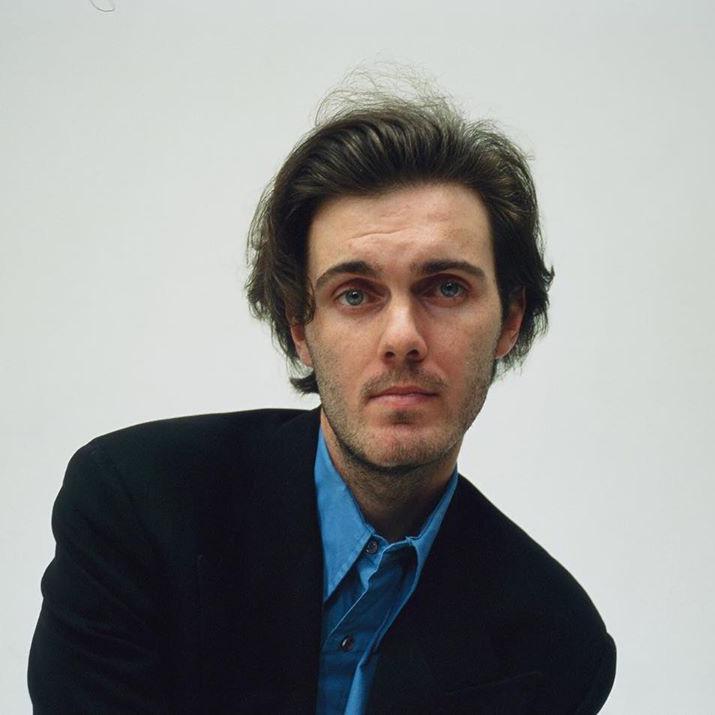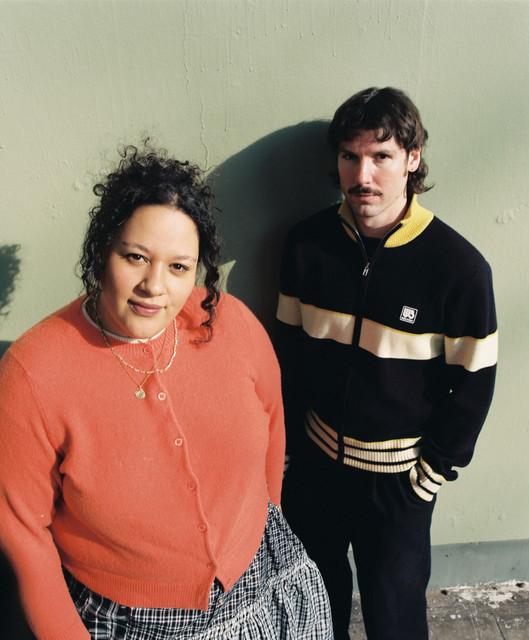
sir Was

Pop
Indie Pop
 Viberate Rank: 91554
 Viberate Rank: 91554
 Monthly ListenersFollowers
 Subscribers
 Followers
 Followers
 FansTop Spotify Songs
| Track | 7-Day Streams | |
|---|---|---|
1 | 52.54K | |
2 | 17.65K | |
3 | 17.01K | |
4 | 14.35K | |
5 | 14.14K |
Top YouTube VideosMonthly ListenersFeatured in Playlists| Playlist | Followers | |
|---|---|---|
1 |  Modern Psychedelia Spotify | 904.58K |
2 |  FIFA 22 Soundtrack EA SPORTS FC | 140.03K |
3 | While You Work (@whileyouwork) Eli Feghali | 81.75K |
4 | EAFC & FIFA Soundtracks 94-27 Ross Hyland | 81.30K |
5 | Trip Hop // Beats Lapgan | 67.29K |
Audience| City | Monthly Listeners | |
|---|---|---|
1 |  | 7.88K |
2 |  | 5.77K |
3 | | 5.35K |
4 |  | 4.54K |
5 |  | 4.21K |
See full performance history, audience data, playlist activity, rankings, comparisons, and more in Viberate music analytics. Start with a free trial, then continue with a paid plan.
sir Was’ Spotify BioFollowing myriad musical and travel experiences throughout his early life, multi-instrumentalist Joel Wästberg emerged under the pseudonym sir Was with a fluid approach to his genre-bending music. Molding his songs from hip-hop beats, textural synths, pop structures, and ambient production flourishes, his wide-ranging musical identity was showcased on albums like his 2017 debut Digging a Tunnel and 2021's Let the Morning Come.
Wästberg grew up in Frillesås on the western coast of Sweden, and played music from an early age, starting with the saxophone at ten. He left his childhood home at 18 and studied jazz saxophone at a Folkhögskola in southern Sweden. After his studies, he performed in a variety of ensembles, and even jammed with Sean Lennon in New York. Ever restless, Wästberg traveled to South Africa, where he spent some time at the University of Kwasulu-Natal in Durban. While there, he became increasingly interested in the Pan-African rhythms he encountered. This fascination… deepened as he traveled through Mozambique and Zimbabwe and, emboldened by his experiences, he decided to start making his own music.
The artist recorded his debut record, Digging a Tunnel, between autumn 2014 and spring 2015, playing all the instruments himself. In the run-up to its early-2017 release, sir Was first put out his 2016 EP Says Hi; the set featured the single "A Minor Life," which would appear again on Digging a Tunnel. The material hinted at the multitude of styles and influences Wästberg drew from, incorporating bagpipes, synths, samples, and his own sweet and fragile vocals. Second album Holding on to a Dream materialized in 2019. It was preceded by the release of lead single "Deployed," a collaboration with Little Dragon. The following year, sir Was delivered the EP Letter, while also being diagnosed with a rare genetic disorder. Refocusing his outlook, he started to write his third album, informed by his newly diagnosed condition. Preceding the record, sir Was issued the collaborative EP Marasi with Falle Nioke in April 2021. He finally released Let the Morning Come later that year. ~ Bekki Bemrose, Rovi
Viberate is a music analytics platform built for A&Rs, artist managers, labels, booking agents, marketers, and artists.
It helps music professionals track artist growth, analyze audience data, monitor playlist activity, compare artists, follow song performance, and identify opportunities across the music market.
Public artist pages provide a free preview of selected artist data. Paid plans provide access to deeper analytics, historical data, charts, comparisons, playlist tools, exports, alerts, reports, and additional professional features.
Yes. Public Viberate artist pages provide selected artist analytics and music data for free.
Viberate also offers a 7-day free trial of the full platform. A credit card is required to start the trial. The trial includes access to the complete product so users can test deeper artist analytics, historical views, playlist insights, comparisons, charts, exports, alerts, and reporting features before choosing a paid plan.
Viberate provides artist analytics across streaming, playlists, social media, video, radio airplay, songs, and audience markets.
Users can analyze Spotify performance, Spotify and Apple Music playlists, YouTube activity, TikTok and Instagram growth, radio spins, song performance, audience locations, demographics, rankings, and overall artist momentum.
Artist profiles also connect to music charts, similar artists, and comparison tools, helping users benchmark performance and evaluate artists in context.
Viberate updates key artist and track data daily.
For followed artists and tracks, selected data is refreshed multiple times per day. This helps teams monitor playlist changes, streaming movement, audience growth, releases, and campaign performance with more current data.
Update frequency can vary depending on the metric and data source.
Yes. Viberate lets users compare up to five artists side by side across streaming, social media, audience, and engagement metrics.
Users can compare fanbase growth, audience demographics, locations, Spotify performance, social metrics, and other artist data over selected time periods.
Artist comparison can be used for A&R scouting, benchmarking, booking decisions, campaign planning, and evaluating artists with similar audiences or market positions.