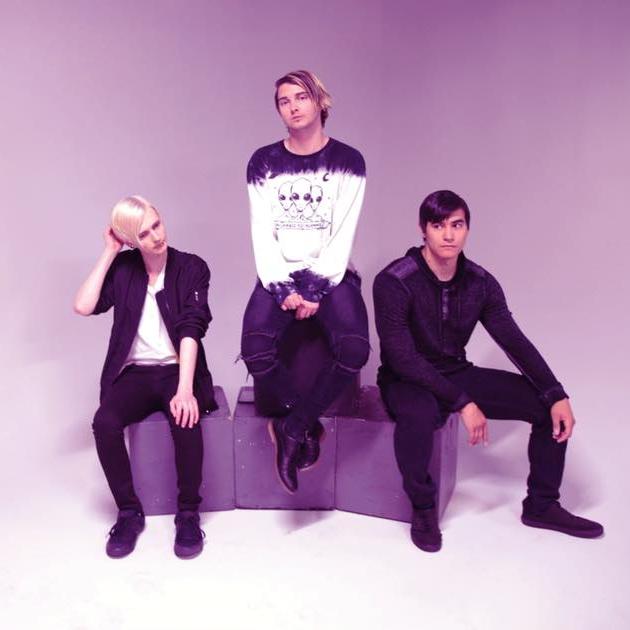
Sink In

Punk
Pop Punk
 Viberate Rank: 311843
 Viberate Rank: 311843
 Monthly ListenersFollowers
 Subscribers
 Followers
 Followers
 FansTop Spotify Songs
| Track | 7-Day Streams | |
|---|---|---|
1 | 573 | |
2 | 350 | |
3 | 175 | |
4 | 107 | |
5 | 104 |
Top YouTube VideosMonthly ListenersFeatured in Playlists| Playlist | Followers | |
|---|---|---|
1 |  Home Office Rock herbemischung | 23.94K |
2 |  Rock Music 2026 - Hits & Hidden Gems R-VIBE Network | 22.42K |
3 |  Soul Energy Valeriya Kharchuk | 21.98K |
4 |  Best Alternative Rock/Indie Music 2026 🎸🎤 | T-VERSE | T-VERSE | 12.93K |
5 |  Songs you should know, but don't bill | 10.82K |
Audience| City | Monthly Listeners | |
|---|---|---|
1 | | 83 |
2 |  | 53 |
3 | | 50 |
4 | | 48 |
5 | | 44 |
See full performance history, audience data, playlist activity, rankings, comparisons, and more in Viberate music analytics. Start with a free trial, then continue with a paid plan.
Sink In’s Spotify Bio“Sink In proves their dedication through every note of this powerful and infectious song.” —TooMuchLove on “Cabin Fever”
DIY pop rock group SINK IN began with a barely mobile tin can on wheels and pure willpower. In 2015 members Tighe Eshleman (Vocals), Cobrette Bardole (Guitar) toured the USA extensively performing over 200 shows in support of their first EP titled “Wide Eyes”. In 2017 the group released their freshman record “Ordinary People, Extraordinary Things” which gained the group their first Billboard chart placements, including #1 on the Heat Seeker’s Northeast chart.
Despite a global pandemic halting the band’s 2020 tour schedule, Sink In never slowed down. Tighe, Cobrette, and new member Josh Lamczyk (Guitar) went from the road directly to the studio to work on their sophomore album “Welcome To Phantomland”, which released in the summer of 2022. Standout single “Ghost” shows over 1 Million streams and counting.
The group has since released two singles “Snow In LA” and “Cabin… Fever” and has plans for more releases throughout 2025.
Viberate is a music analytics platform built for A&Rs, artist managers, labels, booking agents, marketers, and artists.
It helps music professionals track artist growth, analyze audience data, monitor playlist activity, compare artists, follow song performance, and identify opportunities across the music market.
Public artist pages provide a free preview of selected artist data. Paid plans provide access to deeper analytics, historical data, charts, comparisons, playlist tools, exports, alerts, reports, and additional professional features.
Yes. Public Viberate artist pages provide selected artist analytics and music data for free.
Viberate also offers a 7-day free trial of the full platform. A credit card is required to start the trial. The trial includes access to the complete product so users can test deeper artist analytics, historical views, playlist insights, comparisons, charts, exports, alerts, and reporting features before choosing a paid plan.
Viberate provides artist analytics across streaming, playlists, social media, video, radio airplay, songs, and audience markets.
Users can analyze Spotify performance, Spotify and Apple Music playlists, YouTube activity, TikTok and Instagram growth, radio spins, song performance, audience locations, demographics, rankings, and overall artist momentum.
Artist profiles also connect to music charts, similar artists, and comparison tools, helping users benchmark performance and evaluate artists in context.
Viberate updates key artist and track data daily.
For followed artists and tracks, selected data is refreshed multiple times per day. This helps teams monitor playlist changes, streaming movement, audience growth, releases, and campaign performance with more current data.
Update frequency can vary depending on the metric and data source.
Yes. Viberate lets users compare up to five artists side by side across streaming, social media, audience, and engagement metrics.
Users can compare fanbase growth, audience demographics, locations, Spotify performance, social metrics, and other artist data over selected time periods.
Artist comparison can be used for A&R scouting, benchmarking, booking decisions, campaign planning, and evaluating artists with similar audiences or market positions.