Single Bullet Theory

Metal
Thrash Metal
Speed Metal
Groove Metal
 Viberate Rank: 396984
 Viberate Rank: 396984
 Monthly ListenersFollowers
 Subscribers
 Followers
 Followers
 FansTop Spotify Songs
| Track | 7-Day Streams | |
|---|---|---|
1 | 8 | |
2 | 6 | |
3 | 4 | |
4 | 2 | |
5 | 2 |
Top YouTube VideosMonthly ListenersFeatured in Playlists| Playlist | Followers | |
|---|---|---|
1 | dvarjen | 9.79K |
2 |  ROCKSTAR LIFESTYLE RIGHT NOW! | 4.87K |
3 |  ROCK ON ! ! ! musicsfavorites | 2.27K |
Audience| City | Monthly Listeners | |
|---|---|---|
1 | | 5 |
See full performance history, audience data, playlist activity, rankings, comparisons, and more in Viberate music analytics. Start with a free trial, then continue with a paid plan.
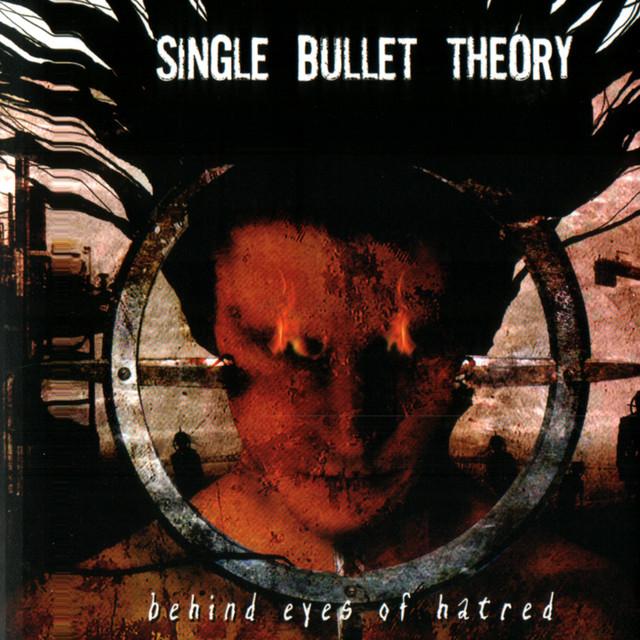
Single Bullet Theory’s Spotify BioDrawing inspiration from the aggressive, vehement sounds of black metal and the classic melodies of power metal, the Philly-based quartet Single Bullet Theory formed in 2000 from the ashes of Pissing Razors, Seven Witches, and Shadowdance. Matt Difabio (vocals, guitar), Billy Mez (bass), Carlos Alvarez (guitar), and Jay Horvath (drums) displayed a strong D.I.Y. ethic from the start, issuing a self-released EP in 2000 and financing the resulting tour themselves. After signing with the Phoenix-based Crash Music in January 2003, Single Bullet Theory entered the studio to record their debut CD, Route 66. The album was released in April and received warm reviews from the metal community, with the music video for "Murder Machines" enjoying airtime on Headbanger's Ball and Fuse's Uranium. Behind Eyes of Hatred followed in early 2004; recorded by James Murphy (Testament, Death, Obituary) on a mobile computer, the album was created without the traditional time constraints of a studio. Single… Bullet Theory toured alongside Amorphis in 2005 before splitting from Crash Music and taking a year-long hiatus, but 2007 saw them rejoining the Crash roster and issuing a new album, On Broken Wings. ~ Andrew Leahey, Rovi
Viberate is a music analytics platform built for A&Rs, artist managers, labels, booking agents, marketers, and artists.
It helps music professionals track artist growth, analyze audience data, monitor playlist activity, compare artists, follow song performance, and identify opportunities across the music market.
Public artist pages provide a free preview of selected artist data. Paid plans provide access to deeper analytics, historical data, charts, comparisons, playlist tools, exports, alerts, reports, and additional professional features.
Yes. Public Viberate artist pages provide selected artist analytics and music data for free.
Viberate also offers a 7-day free trial of the full platform. A credit card is required to start the trial. The trial includes access to the complete product so users can test deeper artist analytics, historical views, playlist insights, comparisons, charts, exports, alerts, and reporting features before choosing a paid plan.
Viberate provides artist analytics across streaming, playlists, social media, video, radio airplay, songs, and audience markets.
Users can analyze Spotify performance, Spotify and Apple Music playlists, YouTube activity, TikTok and Instagram growth, radio spins, song performance, audience locations, demographics, rankings, and overall artist momentum.
Artist profiles also connect to music charts, similar artists, and comparison tools, helping users benchmark performance and evaluate artists in context.
Viberate updates key artist and track data daily.
For followed artists and tracks, selected data is refreshed multiple times per day. This helps teams monitor playlist changes, streaming movement, audience growth, releases, and campaign performance with more current data.
Update frequency can vary depending on the metric and data source.
Yes. Viberate lets users compare up to five artists side by side across streaming, social media, audience, and engagement metrics.
Users can compare fanbase growth, audience demographics, locations, Spotify performance, social metrics, and other artist data over selected time periods.
Artist comparison can be used for A&R scouting, benchmarking, booking decisions, campaign planning, and evaluating artists with similar audiences or market positions.