Simon Finn

Rock
Folk Rock
Alternative Rock
 Viberate Rank: 358502
 Viberate Rank: 358502
 Monthly ListenersFollowers
 Subscribers
 Followers
 Followers
 FansTop Spotify Songs
| Track | 7-Day Streams | |
|---|---|---|
1 | 1.01K | |
2 | 304 | |
3 | 275 | |
4 | 268 | |
5 | 234 |
Top YouTube VideosMonthly ListenersFeatured in Playlists| Playlist | Followers | |
|---|---|---|
1 | 60s Psychedelic Trip andreas1965-71 | 8.20K |
2 | Acid folk/Psychedelic folk Mikael Thomasson | 6.82K |
3 |  Reverberation Radio Allah-Las | 5.56K |
4 | Psychedelic 60s Acid Rock & Heavy Psychadelia byggavdelningen | 5.51K |
5 |  Cyberpunk Mission Namesakes VilkaTheWolf | 5.34K |
Audience| City | Monthly Listeners | |
|---|---|---|
1 | | 111 |
2 |  | 93 |
3 | | 64 |
4 |  | 57 |
5 | | 54 |
See full performance history, audience data, playlist activity, rankings, comparisons, and more in Viberate music analytics. Start with a free trial, then continue with a paid plan.
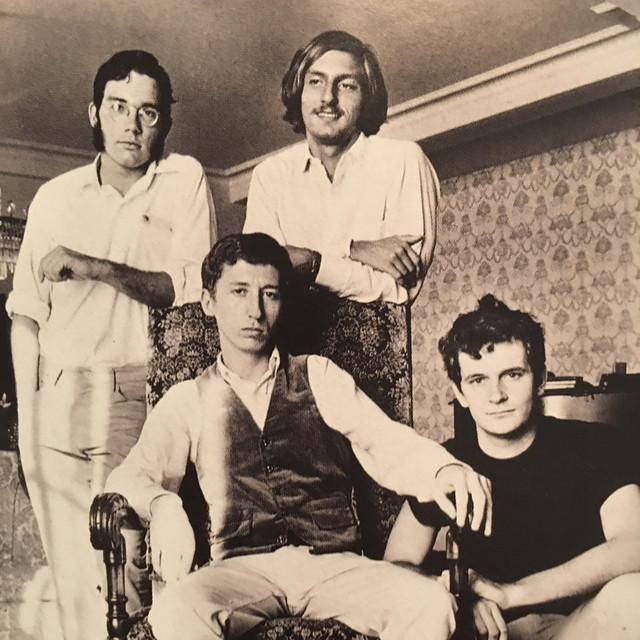
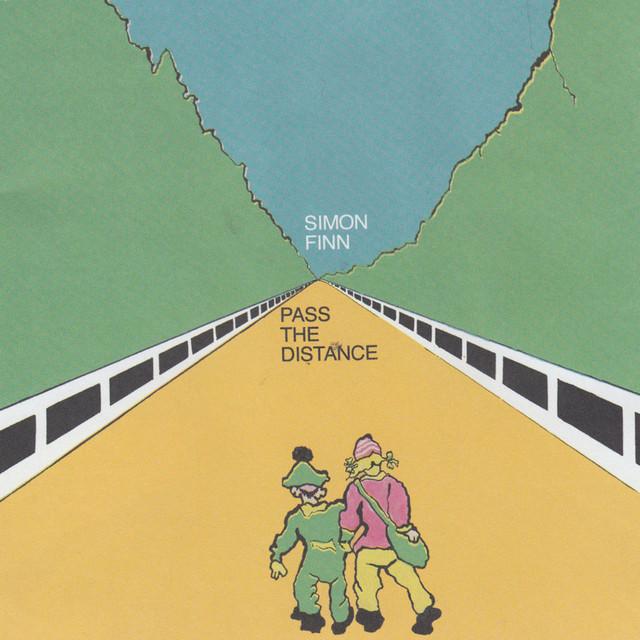
Simon Finn’s Spotify BioPsych-folk mystic Simon Finn was born March 4, 1951, relocating to London in 1967 and making his professional debut opening for Al Stewart at the Marquee Club's weekly "Wednesday Folk Night." Within months he was headlining at the London restaurant Borsch and Tears, and that winter recorded his first demo, "Butterfly," at producer Vic Keary's Old Kent Road studio. The session yielded no interest from labels, however, and Finn continued busking around London, earning a living by updating share prices on the blackboard of the city's Stock Exchange. In the spring of 1969 he and Keary again crossed paths, making plans to enter Keary's new Camden-area studio Chalk Farm; a few weeks later Finn befriended multi-instrumentalist (and fledgling writer) David Toop and percussionist Paul Burwell at the Camden café the Round House, extending an invitation to play on his upcoming recording date. The end result, the hypnotic, deeply beautiful Pass the Distance, followed on Keary's Mushroom Records in… early 1970; a series of legal squabbles quickly forced Mushroom to withdraw the album from the market, however, and Finn effectively disappeared from performing, in 1974 relocating to Canada and teaching karate before turning to organic farming alongside wife Emily. In 1980 the Finns settled in Montreal. In the decades to follow Pass the Distance became both highly collectable and much talked about, but Finn remained oblivious to his growing cult stature until late 2003, when Current 93's David Tibet sent him a letter outlining plans to reissue the album on his Durtro label. The remastered and expanded Pass the Distance appeared in 2004 on the eve of Finn's first live dates in over three decades. ~ Jason Ankeny, Rovi
Viberate is a music analytics platform built for A&Rs, artist managers, labels, booking agents, marketers, and artists.
It helps music professionals track artist growth, analyze audience data, monitor playlist activity, compare artists, follow song performance, and identify opportunities across the music market.
Public artist pages provide a free preview of selected artist data. Paid plans provide access to deeper analytics, historical data, charts, comparisons, playlist tools, exports, alerts, reports, and additional professional features.
Yes. Public Viberate artist pages provide selected artist analytics and music data for free.
Viberate also offers a 7-day free trial of the full platform. A credit card is required to start the trial. The trial includes access to the complete product so users can test deeper artist analytics, historical views, playlist insights, comparisons, charts, exports, alerts, and reporting features before choosing a paid plan.
Viberate provides artist analytics across streaming, playlists, social media, video, radio airplay, songs, and audience markets.
Users can analyze Spotify performance, Spotify and Apple Music playlists, YouTube activity, TikTok and Instagram growth, radio spins, song performance, audience locations, demographics, rankings, and overall artist momentum.
Artist profiles also connect to music charts, similar artists, and comparison tools, helping users benchmark performance and evaluate artists in context.
Viberate updates key artist and track data daily.
For followed artists and tracks, selected data is refreshed multiple times per day. This helps teams monitor playlist changes, streaming movement, audience growth, releases, and campaign performance with more current data.
Update frequency can vary depending on the metric and data source.
Yes. Viberate lets users compare up to five artists side by side across streaming, social media, audience, and engagement metrics.
Users can compare fanbase growth, audience demographics, locations, Spotify performance, social metrics, and other artist data over selected time periods.
Artist comparison can be used for A&R scouting, benchmarking, booking decisions, campaign planning, and evaluating artists with similar audiences or market positions.