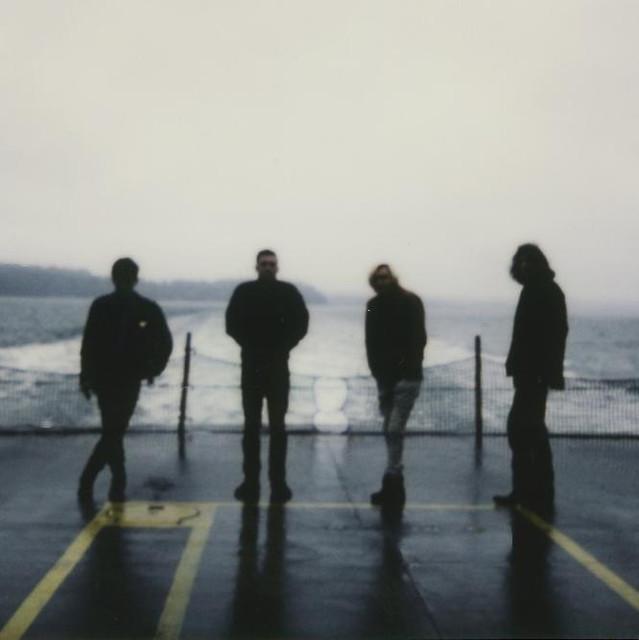
Simon Doom

Rock
Alternative Rock
Psychedelic Rock
 Viberate Rank: 352858
 Viberate Rank: 352858
 Monthly ListenersFollowers
 Subscribers
 Followers
 Followers
 FansTop Spotify Songs
| Track | 7-Day Streams | |
|---|---|---|
1 | 25 | |
2 | 21 | |
3 | 8 | |
4 | 8 | |
5 | 7 |
Top YouTube VideosMonthly ListenersFeatured in Playlists| Playlist | Followers | |
|---|---|---|
1 |  Thrasher - King of the Road S2 Dudey Dude | 2.62K |
2 |  BIGGEST PLAYLIST WITH ALL THE BEST SONGS Maxim Averbukh | 2.41K |
3 |  KING OF THE ROAD mild | 2.31K |
4 |  Bedroom Pop/Indie Rock/Indie Pop/Dreampop/Shoegaze/LoFi/Chillwave Morgana | 2.08K |
5 | elevator music jeremy | 1.44K |
Audience| City | Monthly Listeners | |
|---|---|---|
1 | | 6 |
See full performance history, audience data, playlist activity, rankings, comparisons, and more in Viberate music analytics. Start with a free trial, then continue with a paid plan.
Simon Doom’s Spotify BioSimon Doom is the grunge-meets-garage-meets-psych rock project of Simon O'Connor, who is also known for his work with Kuroma and Amazing Baby. O'Connor began working on Simon Doom -- the name he adopted while playing his teenage punk band Thulsa Doom -- in 2014, when he realized the songs he was writing wouldn't sound as good with his other projects. To help flesh out the music, he teamed up with a pair of longtime friends: Guitarist William Flynn (also of Sleepers Work, and formerly of St. Vincent) and bassist Jim Carroll (also of Pure Love, Hope Conspiracy, and Suicide File), whom O'Connor met at guitar camp when they were teens. Apse drummer Brandon Collins and O'Connor's Kuroma bandmate and MGMT collaborator Will Berman fleshed out the lineup, and Simon Doom began playing shows in late 2014. The band went into the studio early in 2015 for separate sessions with MGMT's Ben Goldwasser and the Replacements' Tommy Stinson that resulted in that year's Simon Doom EP. Late that year,… O'Connor's wife gave birth to their son, motivating him to put more time and energy into the band while he still had time. The Negotiate with the Monkey arrived in 2016, and the song "Roseate" was featured in the film Frank & Lola. To record 2017's full-length Babyman, O'Connor and company worked with MGMT's Andrew Vanwyngarden and Ben Goldwasser as well as Passion Pit's Ayad Al Adhamy, Anni Rossi, and Tame Impala's Cameron Avery. ~ Heather Phares, Rovi
Viberate is a music analytics platform built for A&Rs, artist managers, labels, booking agents, marketers, and artists.
It helps music professionals track artist growth, analyze audience data, monitor playlist activity, compare artists, follow song performance, and identify opportunities across the music market.
Public artist pages provide a free preview of selected artist data. Paid plans provide access to deeper analytics, historical data, charts, comparisons, playlist tools, exports, alerts, reports, and additional professional features.
Yes. Public Viberate artist pages provide selected artist analytics and music data for free.
Viberate also offers a 7-day free trial of the full platform. A credit card is required to start the trial. The trial includes access to the complete product so users can test deeper artist analytics, historical views, playlist insights, comparisons, charts, exports, alerts, and reporting features before choosing a paid plan.
Viberate provides artist analytics across streaming, playlists, social media, video, radio airplay, songs, and audience markets.
Users can analyze Spotify performance, Spotify and Apple Music playlists, YouTube activity, TikTok and Instagram growth, radio spins, song performance, audience locations, demographics, rankings, and overall artist momentum.
Artist profiles also connect to music charts, similar artists, and comparison tools, helping users benchmark performance and evaluate artists in context.
Viberate updates key artist and track data daily.
For followed artists and tracks, selected data is refreshed multiple times per day. This helps teams monitor playlist changes, streaming movement, audience growth, releases, and campaign performance with more current data.
Update frequency can vary depending on the metric and data source.
Yes. Viberate lets users compare up to five artists side by side across streaming, social media, audience, and engagement metrics.
Users can compare fanbase growth, audience demographics, locations, Spotify performance, social metrics, and other artist data over selected time periods.
Artist comparison can be used for A&R scouting, benchmarking, booking decisions, campaign planning, and evaluating artists with similar audiences or market positions.