Simian

Pop
Indie Pop
House
 Viberate Rank: 66875
 Viberate Rank: 66875
 Monthly ListenersFollowers
 Subscribers
 Followers
 Followers
 FansTop Spotify Songs
| Track | 7-Day Streams | |
|---|---|---|
1 | 195.56K | |
2 | 17.95K | |
3 | 5.04K | |
4 | 3.21K | |
5 | 990 |
Top YouTube VideosMonthly ListenersFeatured in Playlists| Playlist | Followers | |
|---|---|---|
1 |  Indie Running Spotify | 818.12K |
2 |  La French Touch Spotify | 579.38K |
3 | Hipster International Sean Parker | 469.81K |
4 |  Happy Birthday Spotify | 298.99K |
5 |  New Year's Eve Party Bangers! Spotify | 228.43K |
Audience| City | Monthly Listeners | |
|---|---|---|
1 |  | 14.58K |
2 | | 9.87K |
3 |  | 8.14K |
4 | | 8.02K |
5 |  | 5.92K |
See full performance history, audience data, playlist activity, rankings, comparisons, and more in Viberate music analytics. Start with a free trial, then continue with a paid plan.
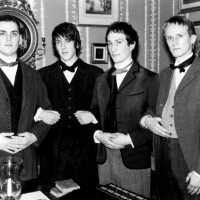
Simian’s Spotify BioPsychedelic pop experimentalists (with a heavy emphasis on the mental) Simian came into full fruition after James Ford, Alex MacNaughton, and James Shaw bumped into Simon Lord; after the trio heard Lord's compositions and vice versa, the four opted to work together under the name of Simian. Informed by and resembling experimental artists of the '60s like Silver Apples and the United States of America just as much as those of the current times, from Luke Vibert to the Beta Band, Simian debuted on the U.K.'s Source label in 2000 with the Watch It Glow EP. Another EP, The Wisp, was released a full year later, followed four months later by their acclaimed debut LP, Chemistry Is What We Are. Astralwerks picked up the head-scratcher of a record for release in the U.S. In late 2002, the group released We Are Your Friends, and early the following year they embarked on their first U.S. tour. Unfortunately, a third was not forthcoming, although Ford and Shaw later regrouped as the production act… Simian Mobile Disco and released Attack Decay Sustain Release in 2007. ~ Andy Kellman, Rovi
Viberate is a music analytics platform built for A&Rs, artist managers, labels, booking agents, marketers, and artists.
It helps music professionals track artist growth, analyze audience data, monitor playlist activity, compare artists, follow song performance, and identify opportunities across the music market.
Public artist pages provide a free preview of selected artist data. Paid plans provide access to deeper analytics, historical data, charts, comparisons, playlist tools, exports, alerts, reports, and additional professional features.
Yes. Public Viberate artist pages provide selected artist analytics and music data for free.
Viberate also offers a 7-day free trial of the full platform. A credit card is required to start the trial. The trial includes access to the complete product so users can test deeper artist analytics, historical views, playlist insights, comparisons, charts, exports, alerts, and reporting features before choosing a paid plan.
Viberate provides artist analytics across streaming, playlists, social media, video, radio airplay, songs, and audience markets.
Users can analyze Spotify performance, Spotify and Apple Music playlists, YouTube activity, TikTok and Instagram growth, radio spins, song performance, audience locations, demographics, rankings, and overall artist momentum.
Artist profiles also connect to music charts, similar artists, and comparison tools, helping users benchmark performance and evaluate artists in context.
Viberate updates key artist and track data daily.
For followed artists and tracks, selected data is refreshed multiple times per day. This helps teams monitor playlist changes, streaming movement, audience growth, releases, and campaign performance with more current data.
Update frequency can vary depending on the metric and data source.
Yes. Viberate lets users compare up to five artists side by side across streaming, social media, audience, and engagement metrics.
Users can compare fanbase growth, audience demographics, locations, Spotify performance, social metrics, and other artist data over selected time periods.
Artist comparison can be used for A&R scouting, benchmarking, booking decisions, campaign planning, and evaluating artists with similar audiences or market positions.