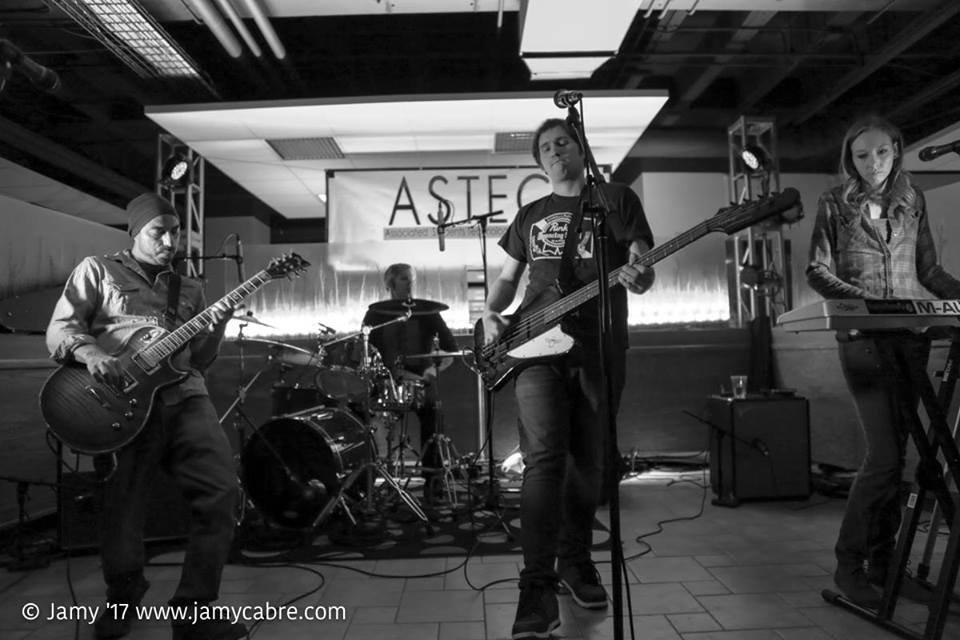
Silhouette Cities

Rock
Hard Rock
 Viberate Rank: 490718
 Viberate Rank: 490718
 Monthly ListenersFollowers
 Subscribers
 Followers
 Followers
 FansTop Spotify Songs
| Track | 7-Day Streams | |
|---|---|---|
1 | 27 | |
2 | 1 | |
3 | 1 |
Top YouTube VideosMonthly ListenersFeatured in Playlists| Playlist | Followers | |
|---|---|---|
1 |  Chaos on Full Blast Mommasez | 5.00K |
2 |  Fanger's Tunes MastEr Fanger | 1.76K |
Audience| City | Monthly Listeners | |
|---|---|---|
1 |  | 3 |
2 |  | 3 |
3 |  | 3 |
See full performance history, audience data, playlist activity, rankings, comparisons, and more in Viberate music analytics. Start with a free trial, then continue with a paid plan.
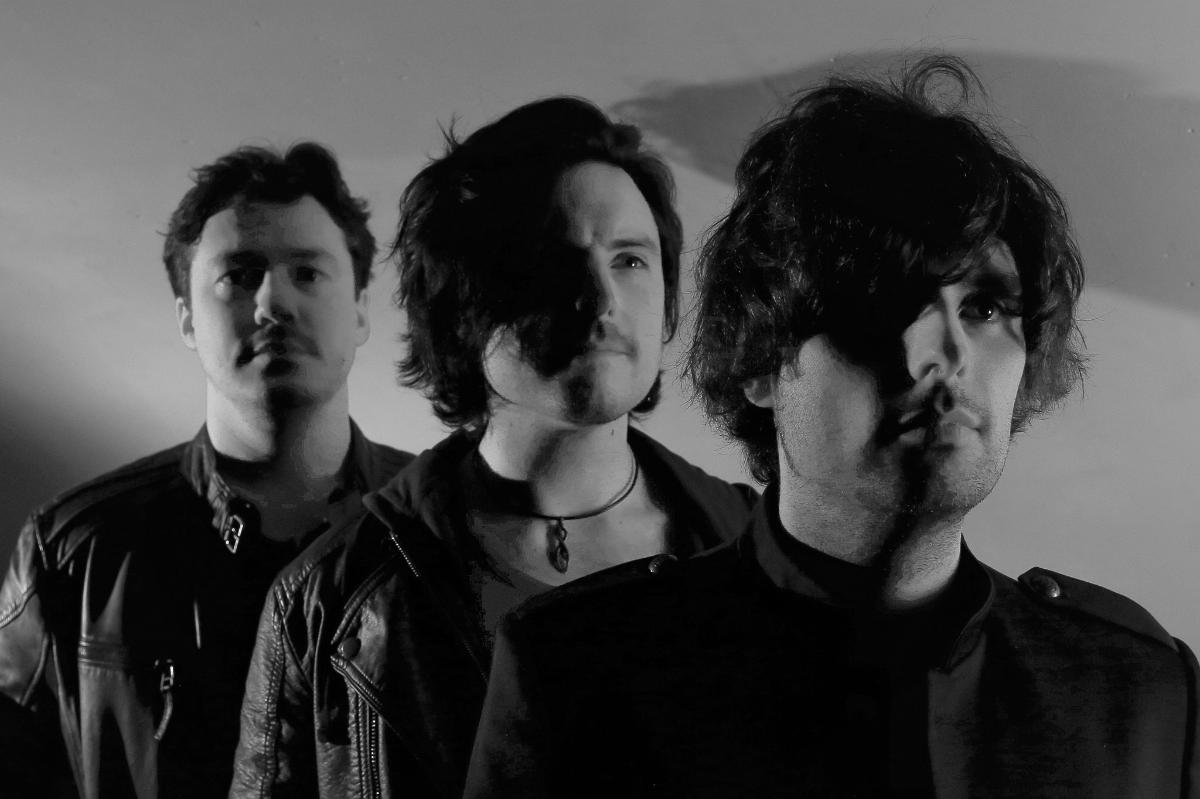
Silhouette Cities’ Spotify BioFormed from the scraps of a collection of songs, Silhouette Cities started as a recording project. Over time, the project has taken form in a number of different iterations: a solo acoustic act, a full band arrangement and back to a studio project. The sound of Silhouette Cities is rooted in alternative & hard rock, with flashes of punk and metal. All recordings have been performed by Phil Saraceno, Mark Kuczynski and Don Saraceno.
A recent transplant to DC at the time, in 2011 Phil teamed up with Washington-area producer Dave Mallen to begin recording the debut release Objects in Motion. Mark Kuczynski joined midway through the project and recorded drums on the 5 song EP, which would later be released in Jan 2012.
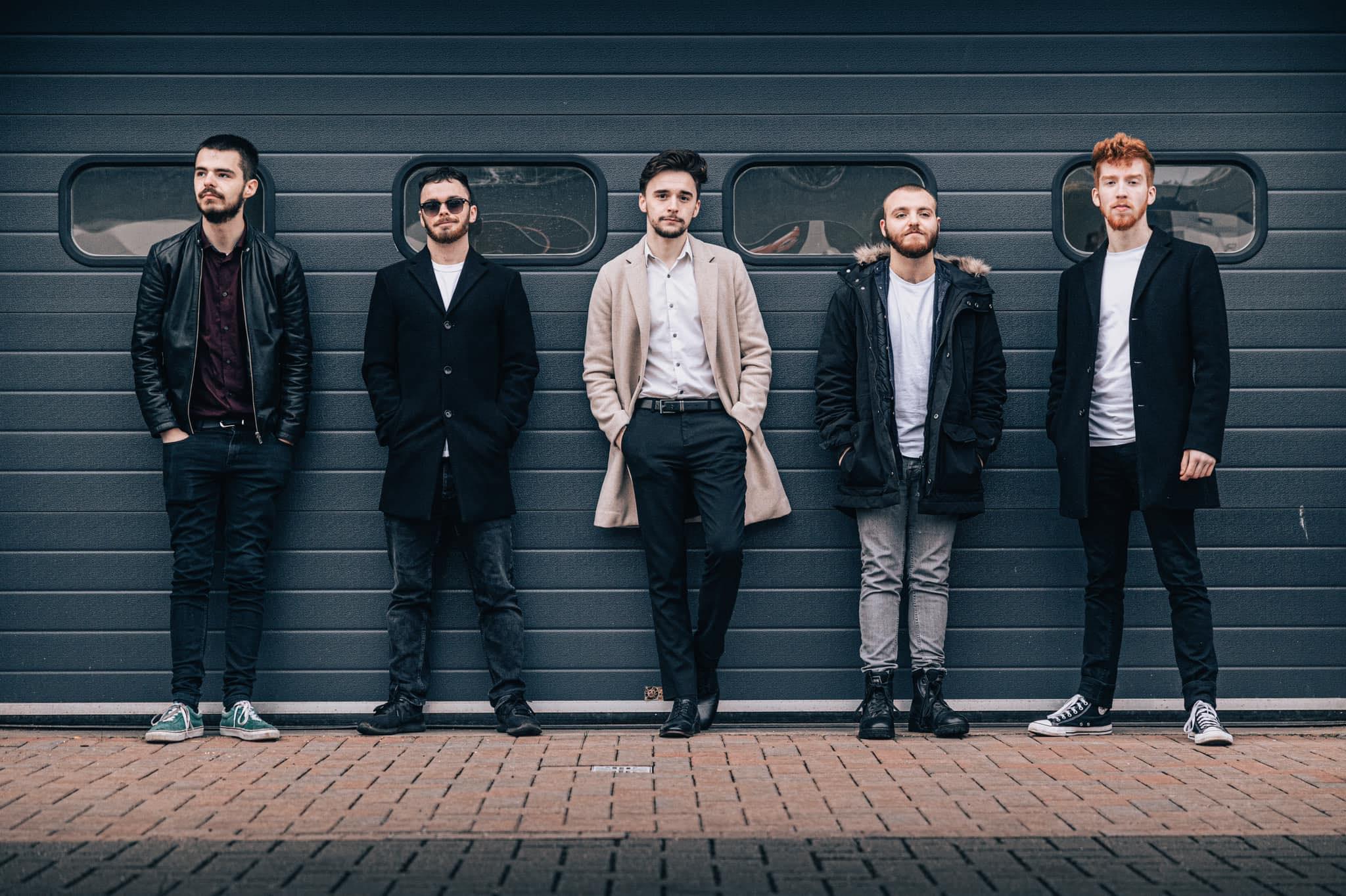
With the EP wrapped up, released and gaining momentum locally, Phil and Mark formed a live band with Bill Gross on bass, and Saraceno brother, Don, on guitar. In the meantime, the Saraceno brothers had recorded the band's 2nd studio album No Worse for the Wear (released Aug… 2015) with John Collura (formerly of The Ataris) and Mike Menocker behind the board.
Silhouette Cities' last live performance in 2016. When the world came to a grinding halt in 2020, it allowed for an opportunity to begin creating again. On October 4th, 2024, the band released 5-song EP Lost Year, featuring singles Borrowed Time and Vagrants.
Contact Silhouette Cities via email: band@silhouettecities.com
Viberate is a music analytics platform built for A&Rs, artist managers, labels, booking agents, marketers, and artists.
It helps music professionals track artist growth, analyze audience data, monitor playlist activity, compare artists, follow song performance, and identify opportunities across the music market.
Public artist pages provide a free preview of selected artist data. Paid plans provide access to deeper analytics, historical data, charts, comparisons, playlist tools, exports, alerts, reports, and additional professional features.
Yes. Public Viberate artist pages provide selected artist analytics and music data for free.
Viberate also offers a 7-day free trial of the full platform. A credit card is required to start the trial. The trial includes access to the complete product so users can test deeper artist analytics, historical views, playlist insights, comparisons, charts, exports, alerts, and reporting features before choosing a paid plan.
Viberate provides artist analytics across streaming, playlists, social media, video, radio airplay, songs, and audience markets.
Users can analyze Spotify performance, Spotify and Apple Music playlists, YouTube activity, TikTok and Instagram growth, radio spins, song performance, audience locations, demographics, rankings, and overall artist momentum.
Artist profiles also connect to music charts, similar artists, and comparison tools, helping users benchmark performance and evaluate artists in context.
Viberate updates key artist and track data daily.
For followed artists and tracks, selected data is refreshed multiple times per day. This helps teams monitor playlist changes, streaming movement, audience growth, releases, and campaign performance with more current data.
Update frequency can vary depending on the metric and data source.
Yes. Viberate lets users compare up to five artists side by side across streaming, social media, audience, and engagement metrics.
Users can compare fanbase growth, audience demographics, locations, Spotify performance, social metrics, and other artist data over selected time periods.
Artist comparison can be used for A&R scouting, benchmarking, booking decisions, campaign planning, and evaluating artists with similar audiences or market positions.