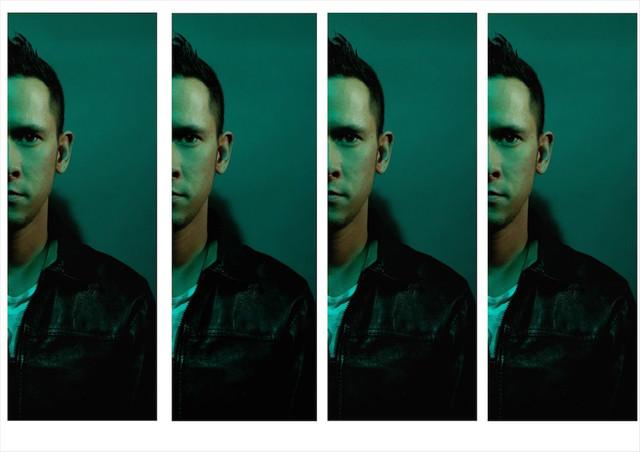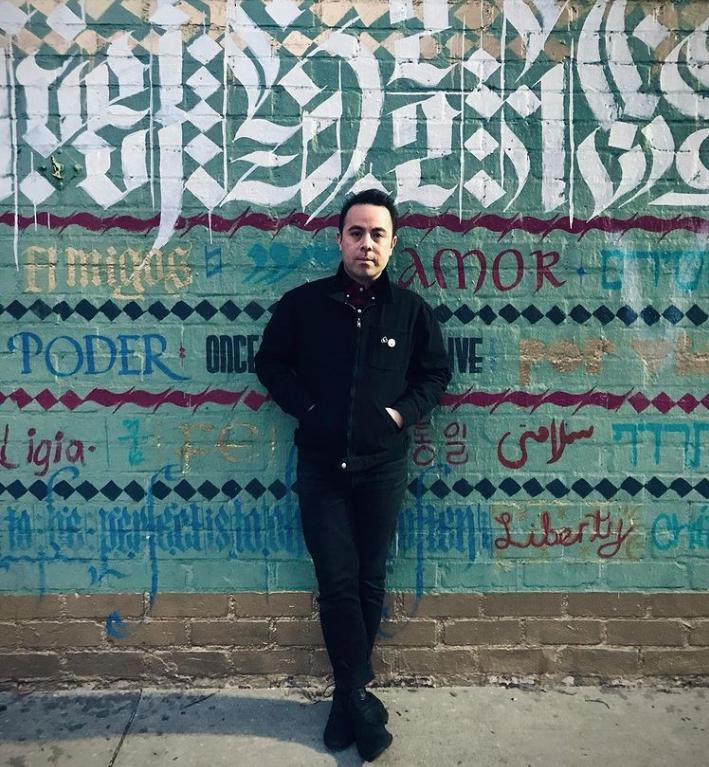
Silent Servant

Electronic
Techno
Other Electronic Music
 Viberate Rank: 163447
 Viberate Rank: 163447
 Monthly ListenersFollowers
 Subscribers
 Followers
 Followers
 FansTop Spotify Songs
| Track | 7-Day Streams | |
|---|---|---|
1 | 588 | |
2 | 489 | |
3 | 401 | |
4 | 378 | |
5 | 305 |
Top YouTube VideosMonthly ListenersFeatured in Playlists| Playlist | Followers | |
|---|---|---|
1 |  HÖR BERLIN Rhadamanthus | 40.07K |
2 | Berghain Music Roman Wäger | 39.72K |
3 |  ⭕ FEEL MY BICEP PLAYLIST ⭕ Bicep | 35.05K |
4 |  GOTH ULTIMATE LIST | DARK WAVE/POST-PUNK/GOTHIC ROCK/EBM/SYNTH/DEATH ROCK Annie Dark | 31.59K |
5 |  The Total Mixtape Ayhan Can Sezer | 29.57K |
Audience| City | Monthly Listeners | |
|---|---|---|
1 |  | 307 |
2 |  | 232 |
3 | | 222 |
4 | | 175 |
5 | | 141 |
See full performance history, audience data, playlist activity, rankings, comparisons, and more in Viberate music analytics. Start with a free trial, then continue with a paid plan.
Silent Servant’s Spotify BioSilent Servant was the primary pseudonym of California electronic artist Juan Mendez, who produced techno with a heavy post-punk/industrial influence. He first began releasing material as Silent Servant during the mid-2000s, when he was a key member of the influential techno collective Sandwell District. Following numerous well-received underground singles, he made a major impact on the techno world with Negative Fascination, his acclaimed 2012 full-length debut. Following Mendez's co-founding of the Jealous God label in 2013, as well as several singles and collaborations with the likes of Marcel Dettmann and Phase Fatale, Silent Servant released his second album, the more overtly EBM-influenced Shadows of Death and Desire, in 2018.
With a musical history stretching back to the mid-'90s, Mendez was no stranger to the techno scene. Originally producing as Jasper and running the experimental techno label Cytrax, Mendez befriended Karl O’Connor (Regis) at the end of the nineties and formed… a long-lasting friendship that helped develop the Silent Servant sound. Mendez became affiliated with the Sandwell District label/music collective -- along with O’Connor, Dave Sumner (Function), and Peter Sutton (Female) -- serving as its art director, and it wasn't long before the first Silent Servant material emerged. 2006's The Silent Morning mined the experimental sound that he'd produced as Jasper, while also drawing on Karl O'Connor's industrial-influenced style of techno that his label Downwards had become known for.
2008 saw the release of two more 12" singles, "Violencia" and "The Blood of Our King," both on Sandwell District. Splitting his time between the Sandwell District project while helping his wife, Camella Lobo's own outfit Tropic of Cancer, Mendez's Silent Servant output slowly gathered pace. A handful of releases between 2009 and 2011 -- most notably Negative Fascination, El Mar, and Hypnosis in the Modern Age -- saw the Silent Servant sound evolve. With the Sandwell label brought to a close at the end of 2011, Mendez focused on recording what would become his debut album, and a chance meeting with Dominic Fernow (Vatican Shadow, Prurient, Cold Cave) enabled Mendez to sign the unfinished album to Fernow’s Hospital Productions label. Released in 2012, Negative Fascination brought together all of Mendez's influences: his early techno productions as Jasper, the shoegaze and post-punk sound of Tropic of Cancer, and the industrial-techno of Sandwell District and Downwards.
In 2013, Mendez co-founded the Jealous God label, along with O'Connor and James Ruskin. Jealous God focused on industrial-influenced techno via early releases, including 12"s by Silent Servant and Ruskin as well as Broken English Club and In Aeternam Vale. Mendez produced visual art as Silent Editions, and as Silent Servant, he released singles and EPs on labels like Mote-Evolver (History Survivors, with Lucy) and Cititrax (Violence and Divinity, with Broken English Club). Hypnosis in the Modern Age, Vol. 2 appeared on L.I.E.S. in 2016. In 2018, Silent Servant and Phase Fatale collaborated on Confess, the first release by the BITE label. He then returned to Hospital Productions with the Harm in Hand EP, which explored his EBM and post-punk influences more explicitly than his past material. The subsequent full-length, Shadows of Death and Desire, continued in this direction. Juan Mendez passed away on January 18, 2024. ~ Richard Wilson & Paul Simpson, Rovi
Viberate is a music analytics platform built for A&Rs, artist managers, labels, booking agents, marketers, and artists.
It helps music professionals track artist growth, analyze audience data, monitor playlist activity, compare artists, follow song performance, and identify opportunities across the music market.
Public artist pages provide a free preview of selected artist data. Paid plans provide access to deeper analytics, historical data, charts, comparisons, playlist tools, exports, alerts, reports, and additional professional features.
Yes. Public Viberate artist pages provide selected artist analytics and music data for free.
Viberate also offers a 7-day free trial of the full platform. A credit card is required to start the trial. The trial includes access to the complete product so users can test deeper artist analytics, historical views, playlist insights, comparisons, charts, exports, alerts, and reporting features before choosing a paid plan.
Viberate provides artist analytics across streaming, playlists, social media, video, radio airplay, songs, and audience markets.
Users can analyze Spotify performance, Spotify and Apple Music playlists, YouTube activity, TikTok and Instagram growth, radio spins, song performance, audience locations, demographics, rankings, and overall artist momentum.
Artist profiles also connect to music charts, similar artists, and comparison tools, helping users benchmark performance and evaluate artists in context.
Viberate updates key artist and track data daily.
For followed artists and tracks, selected data is refreshed multiple times per day. This helps teams monitor playlist changes, streaming movement, audience growth, releases, and campaign performance with more current data.
Update frequency can vary depending on the metric and data source.
Yes. Viberate lets users compare up to five artists side by side across streaming, social media, audience, and engagement metrics.
Users can compare fanbase growth, audience demographics, locations, Spotify performance, social metrics, and other artist data over selected time periods.
Artist comparison can be used for A&R scouting, benchmarking, booking decisions, campaign planning, and evaluating artists with similar audiences or market positions.