S.i.K.

Punk
Punk Rock
 Viberate Rank: 304348
 Viberate Rank: 304348
 Monthly ListenersFollowers
 Subscribers
 Followers
 Followers
 FansTop Spotify Songs
| Track | 7-Day Streams | |
|---|---|---|
1 | 473 | |
2 | 197 | |
3 | 190 | |
4 | 170 | |
5 | 163 |
Top YouTube VideosMonthly ListenersFeatured in Playlists| Playlist | Followers | |
|---|---|---|
1 | Deutsch Rock/Punk René Seifert | 4.27K |
2 |  Schlachtrufe BRD 1136592785 | 3.29K |
3 |  german punkrock REKRUT RATTE | 2.41K |
4 |  linksversiffte Punkrotze Struwwel | 2.35K |
5 |  Musik gegen Nazis Mütze jr. | 2.05K |
Audience| City | Monthly Listeners | |
|---|---|---|
1 | | 344 |
2 | | 207 |
3 | | 178 |
4 | | 150 |
5 | | 133 |
See full performance history, audience data, playlist activity, rankings, comparisons, and more in Viberate music analytics. Start with a free trial, then continue with a paid plan.
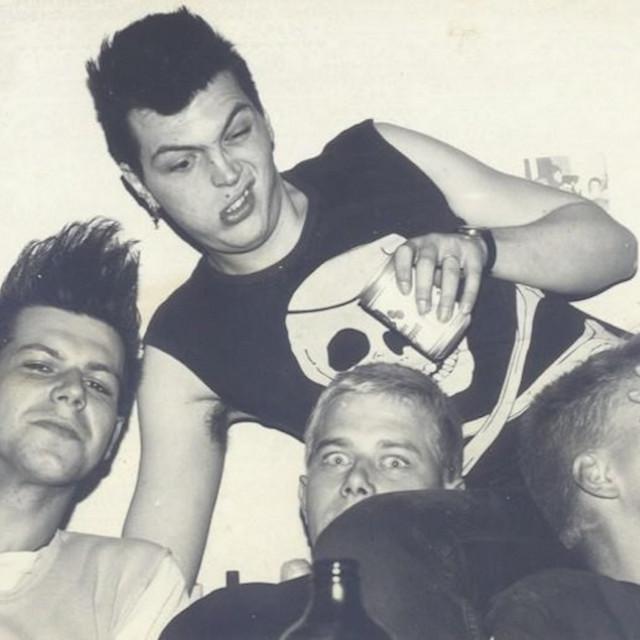
S.i.K.’s Spotify BioDie Band wurde im Juni 1991 in Winnenden gegründet.
trotz des unmusikalischem Talent das die Jungs bis dato hatten wurde
der erste Live Auftritt am 19.10.1991 im Juze Schwaikheim ein voller Erfolg.
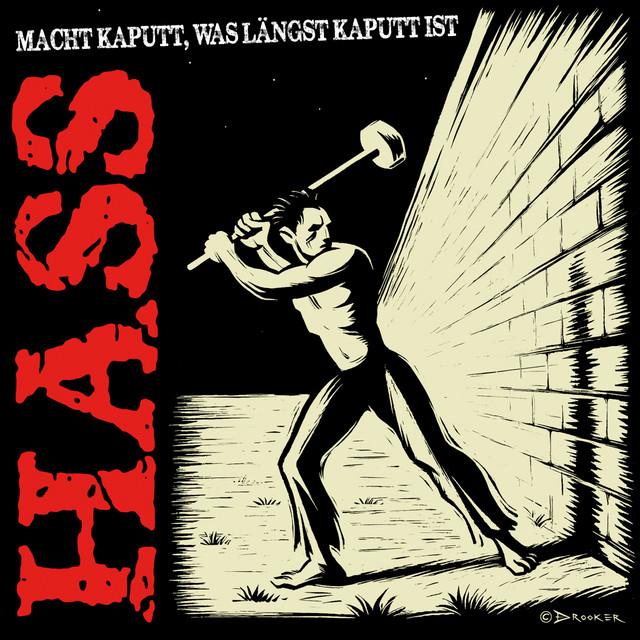
Der Reiz auf der Bühne bejubelt zu werden, hatte die Jungs ermutigt weiter voran zu schreiten und 1994 Ihre erste CD "Vergiß es" aufzunehmen.
Um die CD an die Leute zu bringen, wurde damals mit andren Bands CD´s getauscht und und so wurde im Juni 1995 von drei Mitgliedern der Band,
der Nix Gut Mailorder gegründet.
1998 kam dann mit "Keine Frage" die zweite CD heraus.
Wegen Zeitmangel trennte sich SIK dann 2002 vom damaligen Basser, der aus beruflichen Gründen nicht mehr regelmässig proben konnte
2002 erschien die CD "Zeiten ändern sich"
Danach wurde es ruhiger um die Band, was zum Teil mit der Hakenkreuzaffäre von Nix Gut und dem Zeitmangel der dadurch entstand zu tun hatte.2009 kam dann nach 7 Jahre CD Pause die nächste Scheibe "Hältst du Still ?!" heraus.... und mit dem Austausch von Bass und… Schlagzeug geht es jetzt wieder mit neuem Schwung voran.
2013 Erschien Schnauze Voll! die Band hat sich etwas umstrukturiert und mit neuem Schlagzeuger und Basser geht es weiter voran. Das Album ist nicht mehr so Punkig wie die letzten hat dafür seine ganz eigene Note.
2014 der alte Bassist Face und die Band trennten sich schon Monate vorher von einander und somit war Platz für jemand neues. Dezember 2014 stand die Band das erste mal mit dem neuer Basser Spike auf der Bühne.
Viberate is a music analytics platform built for A&Rs, artist managers, labels, booking agents, marketers, and artists.
It helps music professionals track artist growth, analyze audience data, monitor playlist activity, compare artists, follow song performance, and identify opportunities across the music market.
Public artist pages provide a free preview of selected artist data. Paid plans provide access to deeper analytics, historical data, charts, comparisons, playlist tools, exports, alerts, reports, and additional professional features.
Yes. Public Viberate artist pages provide selected artist analytics and music data for free.
Viberate also offers a 7-day free trial of the full platform. A credit card is required to start the trial. The trial includes access to the complete product so users can test deeper artist analytics, historical views, playlist insights, comparisons, charts, exports, alerts, and reporting features before choosing a paid plan.
Viberate provides artist analytics across streaming, playlists, social media, video, radio airplay, songs, and audience markets.
Users can analyze Spotify performance, Spotify and Apple Music playlists, YouTube activity, TikTok and Instagram growth, radio spins, song performance, audience locations, demographics, rankings, and overall artist momentum.
Artist profiles also connect to music charts, similar artists, and comparison tools, helping users benchmark performance and evaluate artists in context.
Viberate updates key artist and track data daily.
For followed artists and tracks, selected data is refreshed multiple times per day. This helps teams monitor playlist changes, streaming movement, audience growth, releases, and campaign performance with more current data.
Update frequency can vary depending on the metric and data source.
Yes. Viberate lets users compare up to five artists side by side across streaming, social media, audience, and engagement metrics.
Users can compare fanbase growth, audience demographics, locations, Spotify performance, social metrics, and other artist data over selected time periods.
Artist comparison can be used for A&R scouting, benchmarking, booking decisions, campaign planning, and evaluating artists with similar audiences or market positions.