Signs Preyer

Metal
Groove Metal
Pop Rock
 Viberate Rank: 473967
 Viberate Rank: 473967
 Monthly ListenersFollowers
 Subscribers
 Followers
 Followers
 FansTop Spotify Songs
| Track | 7-Day Streams | |
|---|---|---|
1 | 1 | |
2 | 1 |
Top YouTube VideosMonthly ListenersFeatured in Playlists| Playlist | Followers | |
|---|---|---|
1 |  ~Rock Out~ Shroopy | 6.55K |
Audience| City | Monthly Listeners | |
|---|---|---|
1 | | 3 |
See full performance history, audience data, playlist activity, rankings, comparisons, and more in Viberate music analytics. Start with a free trial, then continue with a paid plan.
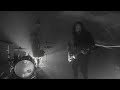
Signs Preyer’s Spotify BioSigns Preyer formed in 2005, the band originally consisted of Corrado "Ghode" Giuliano (Lead Guitar and Vocals), Giacomo "Mapo" Alessandro (Drums), Andrea "Viktor" Vecchione Cardini (Bass) and Enrico Pietrantozzi (Rhythm Guitar). Live concerts started soon after and Signs Preyer played tracks that would later become part of their first self titled album: Signs Preyer (2013). Their debut album received great reviews and their public grew bigger. Mammoth Disorder was released in 2015 and thanks to it, the two following tours and many opening acts to internationally acclaimed artists such as Corrosion of Conformity, Dave Lombardo, Helmet, T.M. Stevens, Paul Di Anno and many others, their public grew even bigger. At the treshold of a long tour in Eastern Europe Enrico left the band due to personal issues.
An identity crisis, significant losses and personal matters tried to mine the band and it was only in 2018 that they were back to the studio to start their new album. The main stylistic… approach was to record live except for the vocals and some guitar enhancements. Fate itself decided the name of the album: it was the third one, written as a trio, recorded and hindered three times and it depicts three different intrapsychic statuses. And so Signs Preyer III was born, and in this new sliding door that number is the Sky, the Earth and "Duat", the interconnectedness of all things and of the three members of the band.
Viberate is a music analytics platform built for A&Rs, artist managers, labels, booking agents, marketers, and artists.
It helps music professionals track artist growth, analyze audience data, monitor playlist activity, compare artists, follow song performance, and identify opportunities across the music market.
Public artist pages provide a free preview of selected artist data. Paid plans provide access to deeper analytics, historical data, charts, comparisons, playlist tools, exports, alerts, reports, and additional professional features.
Yes. Public Viberate artist pages provide selected artist analytics and music data for free.
Viberate also offers a 7-day free trial of the full platform. A credit card is required to start the trial. The trial includes access to the complete product so users can test deeper artist analytics, historical views, playlist insights, comparisons, charts, exports, alerts, and reporting features before choosing a paid plan.
Viberate provides artist analytics across streaming, playlists, social media, video, radio airplay, songs, and audience markets.
Users can analyze Spotify performance, Spotify and Apple Music playlists, YouTube activity, TikTok and Instagram growth, radio spins, song performance, audience locations, demographics, rankings, and overall artist momentum.
Artist profiles also connect to music charts, similar artists, and comparison tools, helping users benchmark performance and evaluate artists in context.
Viberate updates key artist and track data daily.
For followed artists and tracks, selected data is refreshed multiple times per day. This helps teams monitor playlist changes, streaming movement, audience growth, releases, and campaign performance with more current data.
Update frequency can vary depending on the metric and data source.
Yes. Viberate lets users compare up to five artists side by side across streaming, social media, audience, and engagement metrics.
Users can compare fanbase growth, audience demographics, locations, Spotify performance, social metrics, and other artist data over selected time periods.
Artist comparison can be used for A&R scouting, benchmarking, booking decisions, campaign planning, and evaluating artists with similar audiences or market positions.