Shuta Hasunuma

Electronic
Downtempo
Other Asian Music
 Viberate Rank: 120715
 Viberate Rank: 120715
 Monthly ListenersFollowers
 Subscribers
 Followers
 Followers
 FansTop Spotify Songs
| Track | 7-Day Streams | |
|---|---|---|
1 | 2.74K | |
2 | 1.50K | |
3 | 1.36K | |
4 | 1.19K | |
5 | 1.18K |
Top YouTube VideosMonthly ListenersFeatured in Playlists| Playlist | Followers | |
|---|---|---|
1 |  Soundtrack for Study Filtr Canada | 300.86K |
2 |  Ambient Japan Spotify | 180.35K |
3 |  Sora Ambient Spotify | 96.83K |
4 | Japanese Shoegaze tokenainamae | 44.18K |
5 | Lullaby Music That Helps The Baby Sleep But Doesn't Make Me Homicidal Junichi Semitsu | 30.77K |
Audience| City | Monthly Listeners | |
|---|---|---|
1 | | 1.74K |
2 | | 714 |
3 |  | 490 |
4 | | 371 |
5 | | 346 |
See full performance history, audience data, playlist activity, rankings, comparisons, and more in Viberate music analytics. Start with a free trial, then continue with a paid plan.
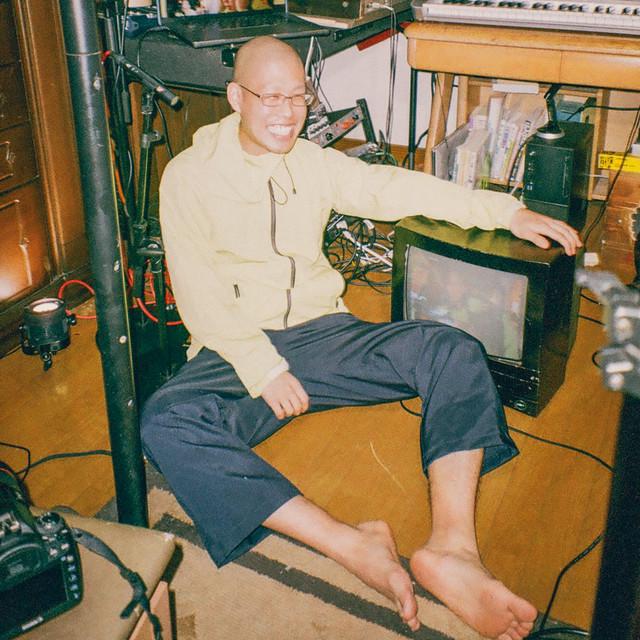
Shuta Hasunuma’s Spotify BioShuta Hasunuma (b. 1983) is a Japanese artist and composer. He is the founder of the contemporary philharmonic orchestra Shuta Hasunuma Philharmonic Orchestra, which has performed in numerous concert halls throughout Japan and released the album ANTHROPOCENE (2018). His diverse artistic expressions include creating soundtracks for stage productions and movies, as well as creating video, sound work, sculptures and installations. His solo exhibitions include ~ ing at Shiseido Gallery in Tokyo (2018) and Compositions at Pioneer Works in New York (2018). He is a 2018 recipient of the New Face Award of Minister of Education Award for Fine Arts. His most recent one-day exhibition Someone’s public and private / Something’s public and private at Tompkins Square Park in New York was featured in the Artnet News article “18 Things Not to Miss in New York’s Art World, Frieze Week Edition” (April 29, 2019).
Viberate is a music analytics platform built for A&Rs, artist managers, labels, booking agents, marketers, and artists.
It helps music professionals track artist growth, analyze audience data, monitor playlist activity, compare artists, follow song performance, and identify opportunities across the music market.
Public artist pages provide a free preview of selected artist data. Paid plans provide access to deeper analytics, historical data, charts, comparisons, playlist tools, exports, alerts, reports, and additional professional features.
Yes. Public Viberate artist pages provide selected artist analytics and music data for free.
Viberate also offers a 7-day free trial of the full platform. A credit card is required to start the trial. The trial includes access to the complete product so users can test deeper artist analytics, historical views, playlist insights, comparisons, charts, exports, alerts, and reporting features before choosing a paid plan.
Viberate provides artist analytics across streaming, playlists, social media, video, radio airplay, songs, and audience markets.
Users can analyze Spotify performance, Spotify and Apple Music playlists, YouTube activity, TikTok and Instagram growth, radio spins, song performance, audience locations, demographics, rankings, and overall artist momentum.
Artist profiles also connect to music charts, similar artists, and comparison tools, helping users benchmark performance and evaluate artists in context.
Viberate updates key artist and track data daily.
For followed artists and tracks, selected data is refreshed multiple times per day. This helps teams monitor playlist changes, streaming movement, audience growth, releases, and campaign performance with more current data.
Update frequency can vary depending on the metric and data source.
Yes. Viberate lets users compare up to five artists side by side across streaming, social media, audience, and engagement metrics.
Users can compare fanbase growth, audience demographics, locations, Spotify performance, social metrics, and other artist data over selected time periods.
Artist comparison can be used for A&R scouting, benchmarking, booking decisions, campaign planning, and evaluating artists with similar audiences or market positions.