Shut Up and Dance

Electronic
Techno
House
Hardstyle/Hardcore
 Viberate Rank: 197590
 Viberate Rank: 197590
 Monthly ListenersFollowers
 Subscribers
 Followers
 Followers
 FansTop Spotify Songs
| Track | 7-Day Streams | |
|---|---|---|
1 | 1.41K | |
2 | 690 | |
3 | 529 | |
4 | 521 | |
5 | 483 |
Top YouTube VideosMonthly ListenersFeatured in Playlists| Playlist | Followers | |
|---|---|---|
1 |  Rave Classics Spotify | 374.26K |
2 |  Now 1 - 114 (1983 - 2023) Now That's What I Call Music 1 - 114 abundantmusic | 56.69K |
3 | 90s Dance Anthems Mark Jason | 47.94K |
4 | 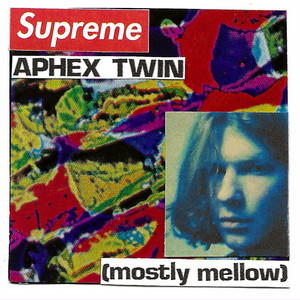 Aphex Twin: [mostly mellow] for Supreme Supreme | 44.15K |
5 |  The Total Mixtape Ayhan Can Sezer | 29.57K |
Audience| City | Monthly Listeners | |
|---|---|---|
1 | | 1.64K |
2 | | 483 |
3 | | 295 |
4 |  | 231 |
5 | | 179 |
See full performance history, audience data, playlist activity, rankings, comparisons, and more in Viberate music analytics. Start with a free trial, then continue with a paid plan.
Shut Up and Dance’s Spotify BioRagga-techno hit-makers and sampling pirates without equal on Britain's early hardcore breakbeat scene, Shut Up & Dance were an early influence on the development of jump-up breakbeats and b-bwoy attitude into the streamlined version of drum'n'bass which emerged later in the '90s. The duo of PJ & Smiley, both residents of East End stronghold Stoke Newington, formed both the label and group Shut Up & Dance out of their bedroom in 1988. The imprint first released records by the Ragga Twins and Nicolette during 1989 before Shut Up & Dance the group debuted later that year. Early singles like "£10 to Get In" and "Derek Went Mad" displayed the pair's approach to hardcore techno -- sampling well-known pop groups with little fear of retribution, piling chunky breakbeats over the top, evincing plenty of ragga attitude and displaying an unflinching criticism of the emerging rave scene's dark side.
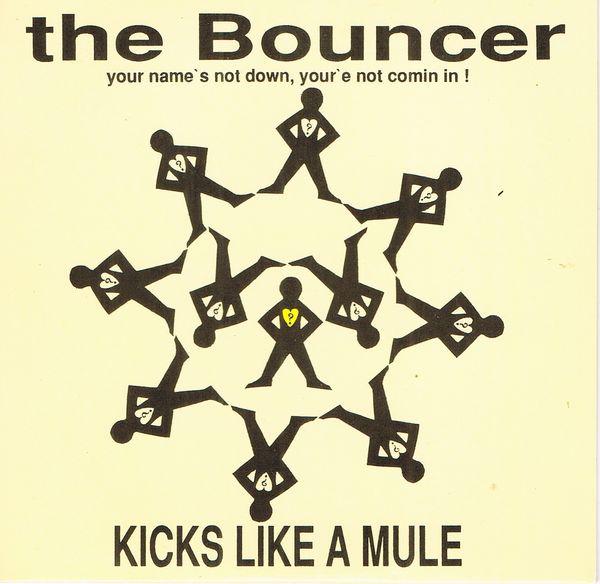
Follow-ups from their 1990 debut album Dance Before the Police Come! became early anthems in the… hardcore/jump-up scene. The year 1992 brought another album and the chart-hit "Raving, I'm Raving"; with a vocal by ex-dancehall DJ Peter Bouncer, the single hit number two on the British charts midway through the year and sparked another modest hit, "Autobiography of a Crackhead." Unfortunately, the success brought copyright lawyers from at least six major labels, responding to obvious transgressions against their artists. Shut Up & Dance spent two years of legal wrangling, in similar fashion to American hip-hop contemporaries like Biz Markie and De La Soul; the hassles eventually bankrupted their label. After re-emerging in 1994 with their response (an EP titled Phuck the Biz), the duo recorded third album Black Men United for Pulse-8 in 1995. ~ John Bush, Rovi
Viberate is a music analytics platform built for A&Rs, artist managers, labels, booking agents, marketers, and artists.
It helps music professionals track artist growth, analyze audience data, monitor playlist activity, compare artists, follow song performance, and identify opportunities across the music market.
Public artist pages provide a free preview of selected artist data. Paid plans provide access to deeper analytics, historical data, charts, comparisons, playlist tools, exports, alerts, reports, and additional professional features.
Yes. Public Viberate artist pages provide selected artist analytics and music data for free.
Viberate also offers a 7-day free trial of the full platform. A credit card is required to start the trial. The trial includes access to the complete product so users can test deeper artist analytics, historical views, playlist insights, comparisons, charts, exports, alerts, and reporting features before choosing a paid plan.
Viberate provides artist analytics across streaming, playlists, social media, video, radio airplay, songs, and audience markets.
Users can analyze Spotify performance, Spotify and Apple Music playlists, YouTube activity, TikTok and Instagram growth, radio spins, song performance, audience locations, demographics, rankings, and overall artist momentum.
Artist profiles also connect to music charts, similar artists, and comparison tools, helping users benchmark performance and evaluate artists in context.
Viberate updates key artist and track data daily.
For followed artists and tracks, selected data is refreshed multiple times per day. This helps teams monitor playlist changes, streaming movement, audience growth, releases, and campaign performance with more current data.
Update frequency can vary depending on the metric and data source.
Yes. Viberate lets users compare up to five artists side by side across streaming, social media, audience, and engagement metrics.
Users can compare fanbase growth, audience demographics, locations, Spotify performance, social metrics, and other artist data over selected time periods.
Artist comparison can be used for A&R scouting, benchmarking, booking decisions, campaign planning, and evaluating artists with similar audiences or market positions.