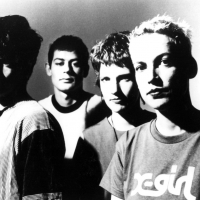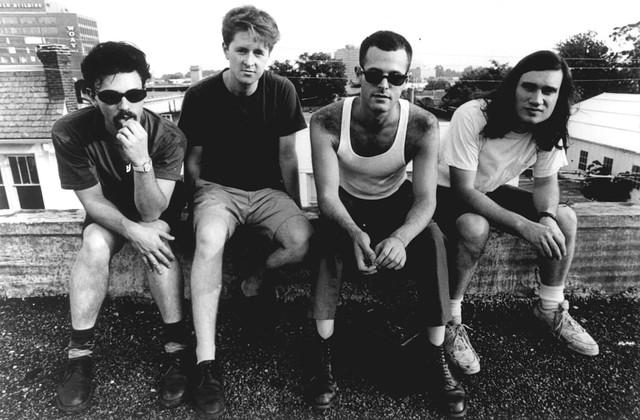
Shudder To Think

Rock
Indie Rock
Post Hardcore
Punk Rock
 Viberate Rank: 64959
 Viberate Rank: 64959
 Monthly ListenersFollowers
 Subscribers
 Followers
 Followers
 FansTop Spotify Songs
| Track | 7-Day Streams | |
|---|---|---|
1 | 563.87K | |
2 | 4.96K | |
3 | 1.48K | |
4 | 1.30K | |
5 | 604 |
Top YouTube Videos| Video | 7-Day Views | |
|---|---|---|
1 | 781 | |
2 | 362 | |
3 | 330 |
Monthly ListenersFeatured in Playlists| Playlist | Followers | |
|---|---|---|
1 |  yearner final boss cthcthy | 518.11K |
2 |  yearning final boss sophie | 211.47K |
3 |  This Is Jeff Buckley Spotify | 92.53K |
4 |  oh im not hungry. arianne jayde 🪽 | 88.70K |
5 | GRUNGE zerubi | 80.88K |
Audience| City | Monthly Listeners | |
|---|---|---|
1 | | 13.48K |
2 |  | 12.21K |
3 | | 12.01K |
4 | | 11.26K |
5 |  | 10.95K |
See full performance history, audience data, playlist activity, rankings, comparisons, and more in Viberate music analytics. Start with a free trial, then continue with a paid plan.
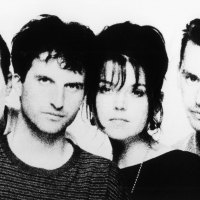
Shudder To Think’s Spotify BioShudder to Think's hardcore punk background (courtesy of their affiliation with the D.C.-based label Dischord Records, also the home of Fugazi) doesn't give the best indication of their sound, since the group embraced pop influences and a skewed sense of songwriting as well. Formed in 1986, the band's initial lineup -- vocalist/guitarist Craig Wedren, guitarist Chris Matthews, bassist Stuart Hill, and drummer Mike Russell -- released two singles and one 1989 album (Curse, Spells, Voodoo, Mooses) before signing with the Dischord label. Shudder to Think remained with Dischord for three influential albums -- 1990's Ten-Spot, 1991's Funeral at the Movies, and 1992's Get Your Goat -- while touring alongside the likes of Fugazi and the Smashing Pumpkins.
Matthews and Russell had both left the group by 1994, with guitarist Nathan Larson and drummer Adam Wade stepping in to replace them. Additional changes followed as the band inked its first major-label contract. After signing with Epic,… Shudder to Think released Pony Express Record in 1994. During the three years that followed, Wedren successfully overcame Hodgkin's Disease, Larson released an album with his side project Mind Science of the Mind, and Wade was replaced with former Dambuilders drummer Kevin March. 50,000 B.C. was released after that period of activity, but it ultimately failed to push the band into the big time.
One year later, Shudder to Think focused its attention on soundtrack work for the indie films First Love, Last Rites (which included songs in various musical styles sung by alt-rock notables like Liz Phair, Billy Corgan, and Robin Zander, as well as one of Jeff Buckley's last recorded works) and High Art, the latter featuring Brian Eno-like instrumental soundscapes. Larson left the band that same year, though, and his departure proved to be the final straw. Shudder to Think split up in 1998, with Wedren launching a solo career shortly thereafter.
Wedren played shows in the New York City area and appeared on the soundtrack Down to You. He also supplied backup vocals to the Verve Pipe's 1999 self-titled release and continued his soundtrack work for films. Nearly a decade after Shudder to Think's demise, Wedren joined former bandmates Larson and March for a series of reunion shows, including an event that supported presidential candidate Barack Obama. A fall tour followed in 2008 and was later documented on the concert album Live from Home. ~ John Bush & Greg Prato, Rovi
Viberate is a music analytics platform built for A&Rs, artist managers, labels, booking agents, marketers, and artists.
It helps music professionals track artist growth, analyze audience data, monitor playlist activity, compare artists, follow song performance, and identify opportunities across the music market.
Public artist pages provide a free preview of selected artist data. Paid plans provide access to deeper analytics, historical data, charts, comparisons, playlist tools, exports, alerts, reports, and additional professional features.
Yes. Public Viberate artist pages provide selected artist analytics and music data for free.
Viberate also offers a 7-day free trial of the full platform. A credit card is required to start the trial. The trial includes access to the complete product so users can test deeper artist analytics, historical views, playlist insights, comparisons, charts, exports, alerts, and reporting features before choosing a paid plan.
Viberate provides artist analytics across streaming, playlists, social media, video, radio airplay, songs, and audience markets.
Users can analyze Spotify performance, Spotify and Apple Music playlists, YouTube activity, TikTok and Instagram growth, radio spins, song performance, audience locations, demographics, rankings, and overall artist momentum.
Artist profiles also connect to music charts, similar artists, and comparison tools, helping users benchmark performance and evaluate artists in context.
Viberate updates key artist and track data daily.
For followed artists and tracks, selected data is refreshed multiple times per day. This helps teams monitor playlist changes, streaming movement, audience growth, releases, and campaign performance with more current data.
Update frequency can vary depending on the metric and data source.
Yes. Viberate lets users compare up to five artists side by side across streaming, social media, audience, and engagement metrics.
Users can compare fanbase growth, audience demographics, locations, Spotify performance, social metrics, and other artist data over selected time periods.
Artist comparison can be used for A&R scouting, benchmarking, booking decisions, campaign planning, and evaluating artists with similar audiences or market positions.