Shook Ones

Punk
Punk Rock
Hardcore Punk
 Viberate Rank: 274904
 Viberate Rank: 274904
 Monthly ListenersFollowers
 Subscribers
 Followers
 Followers
 FansTop Spotify Songs
| Track | 7-Day Streams | |
|---|---|---|
1 | 331 | |
2 | 236 | |
3 | 225 | |
4 | 194 | |
5 | 145 |
Top YouTube VideosMonthly ListenersFeatured in Playlists| Playlist | Followers | |
|---|---|---|
1 |  Hardcore Punk Pure Noise Records | 77.03K |
2 |  Punk Rock Radio Nick Worthington | 4.83K |
3 |  Seattle Scene The Seane | 4.00K |
4 |  On Repeat at Run For Cover Run For Cover Records | 3.28K |
5 |  The Sound of Melodic Hardcore The Sounds of Spotify | 2.15K |
Audience| City | Monthly Listeners | |
|---|---|---|
1 | | 61 |
2 | | 49 |
3 | | 44 |
4 | | 44 |
5 | | 31 |
See full performance history, audience data, playlist activity, rankings, comparisons, and more in Viberate music analytics. Start with a free trial, then continue with a paid plan.
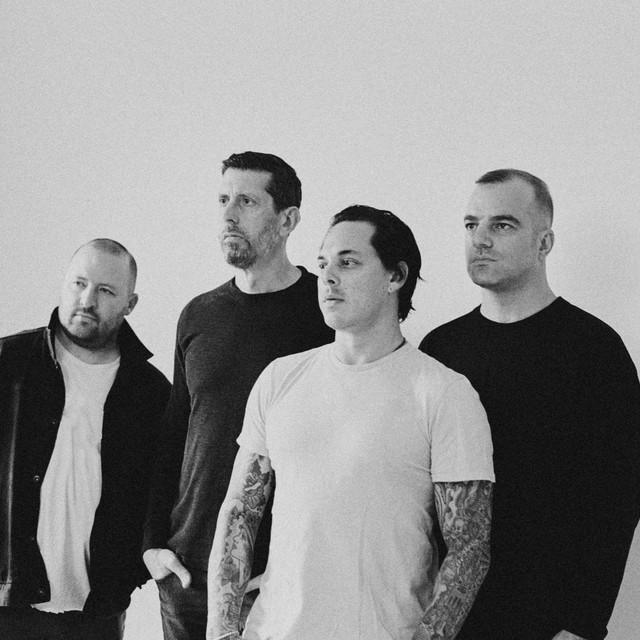
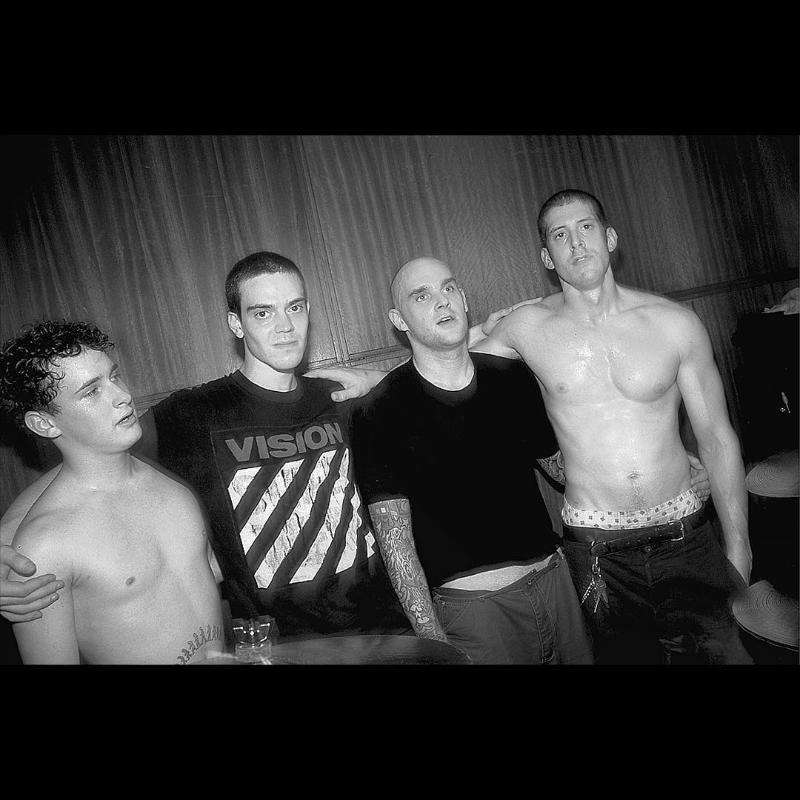
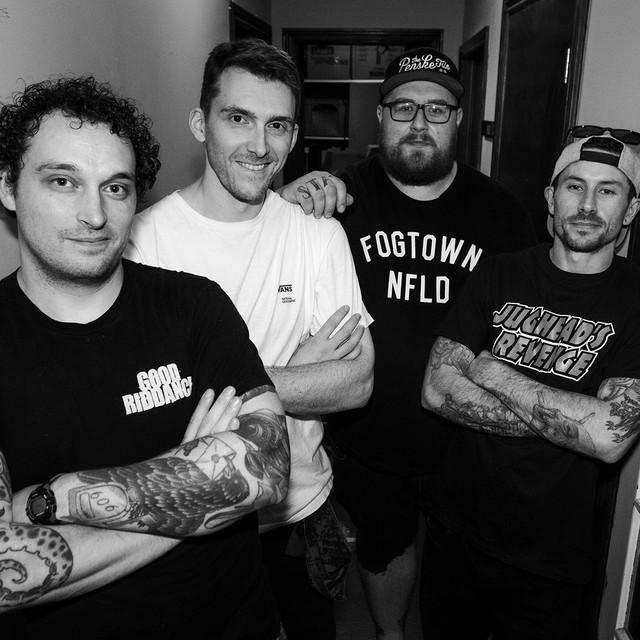
Shook Ones’ Spotify BioMelodic hardcore punk unit Shook Ones came to life around vocalist Scott Freeman and guitarist Zach "Funds" Muljat at the end of 2004 in a Bellingham, WA basement (though the band would later relocate to Seattle). Largely influenced by acts like Lifetime, Jawbreaker, and 7 Seconds, the group released a self-titled demo that same year, which aptly set the stage for Sixteen, their fast and abrasive full-length debut, on New York's Endwell Records in 2005. The album began to turn heads in the punk underground, and at the tail-end of the year, that buzz (and some luck) had led Shook Ones into inking a deal with Revelation Records. Two albums were released in 2006 through the label; the 7" Slaughter of the Insole appeared first, followed by the full-length Facetious Folly Feat, which showcased melodic rock moments alongside their blistering pop-punk. By then, Freeman and Muljat were rounded out by drummer Jimmy Walsh (ex-No Roses), bassist Bo Stewart and guitarist Kelly Aiken. The band set… out on the road playing shows with Paint It Black, Less Than Jake, and Smoke or Fire; they also took time to hit the studio and record two split 7's, one with Japan's Easel (2007) and one with New York's End of a Year (2008). By the end of 2007, Shook Ones and Revelation had gone their separate ways, and in the summer of 2008, they hooked up instead with the recently launched Florida label Paper + Plastick Records, owned by Vinnie Fiorello of Less Than Jake. They entered the studio in October to record their third full-length, The Unquotable A.M.H. (the title an inside reference to actor Anthony Michael Hall), and a tour of Europe led into its release (digital and vinyl only) in June 2009. Shook Ones played a set that fall at the popular Gainesville punk festival The Fest, before hitting the road on dates with Title Fight and We Are the Union. ~ Corey Apar, Rovi
Viberate is a music analytics platform built for A&Rs, artist managers, labels, booking agents, marketers, and artists.
It helps music professionals track artist growth, analyze audience data, monitor playlist activity, compare artists, follow song performance, and identify opportunities across the music market.
Public artist pages provide a free preview of selected artist data. Paid plans provide access to deeper analytics, historical data, charts, comparisons, playlist tools, exports, alerts, reports, and additional professional features.
Yes. Public Viberate artist pages provide selected artist analytics and music data for free.
Viberate also offers a 7-day free trial of the full platform. A credit card is required to start the trial. The trial includes access to the complete product so users can test deeper artist analytics, historical views, playlist insights, comparisons, charts, exports, alerts, and reporting features before choosing a paid plan.
Viberate provides artist analytics across streaming, playlists, social media, video, radio airplay, songs, and audience markets.
Users can analyze Spotify performance, Spotify and Apple Music playlists, YouTube activity, TikTok and Instagram growth, radio spins, song performance, audience locations, demographics, rankings, and overall artist momentum.
Artist profiles also connect to music charts, similar artists, and comparison tools, helping users benchmark performance and evaluate artists in context.
Viberate updates key artist and track data daily.
For followed artists and tracks, selected data is refreshed multiple times per day. This helps teams monitor playlist changes, streaming movement, audience growth, releases, and campaign performance with more current data.
Update frequency can vary depending on the metric and data source.
Yes. Viberate lets users compare up to five artists side by side across streaming, social media, audience, and engagement metrics.
Users can compare fanbase growth, audience demographics, locations, Spotify performance, social metrics, and other artist data over selected time periods.
Artist comparison can be used for A&R scouting, benchmarking, booking decisions, campaign planning, and evaluating artists with similar audiences or market positions.