Shirley Temple

Pop
Childrens music
 Viberate Rank: 153693
 Viberate Rank: 153693
 Monthly ListenersFollowers
 Subscribers
 Followers
 Followers
 FansTop Spotify SongsTop YouTube VideosMonthly ListenersFeatured in Playlists
| Playlist | Followers | |
|---|---|---|
1 |  Christmas Songs for Kids Henry Janzen | 108.09K |
2 |  The Ultimate Christmas Playlist Henry Janzen | 79.78K |
3 |  KIDS CHRISTMAS SONGS PLAYLIST | BEST MIX OF CAROLS & CHRISTMAS SONGS The Kiboomers | 60.72K |
4 |  Old Classic Christmas Music 8hrs 🎄 King of Ambiance | 47.17K |
5 | Songs: Mad Men Kenneth Lorence | 30.53K |
Audience| City | Monthly Listeners | |
|---|---|---|
1 | | 1.87K |
2 | | 1.73K |
3 | | 1.67K |
4 | | 1.61K |
5 |  | 1.52K |
See full performance history, audience data, playlist activity, rankings, comparisons, and more in Viberate music analytics. Start with a free trial, then continue with a paid plan.
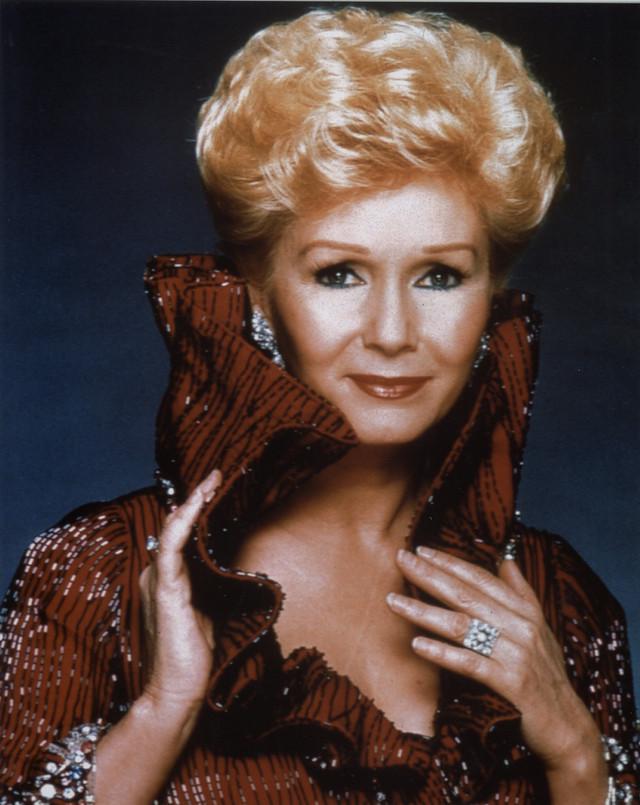
Shirley Temple’s Spotify BioNo other child star in the history of popular entertainment enjoyed so much fame and renown as Shirley Temple -- by the tender age of six, she was already among the biggest celebrities in the world. Born April 23, 1928 in Santa Monica, California, she began taking dance classes at three, which led to her discovery by Hollywood in 1932; initially, she was tapped for a new series of children's films called "Baby Burlesks," parodies of adult features of the era designed to capitalize on the massive success of Hal Roach's Our Gang shorts. Temple soon enjoyed a number of bit parts in minor features before her breakthrough performance singing "Baby Take a Bow" in the 1934 musical Stand Up and Cheer poised her on the brink of stardom; while her skills as a singer and dancer were already remarkable, her gifts as an actress were ultimately her greatest drawing card, and she connected with audiences on a deeply emotional level rivaled only by a handful of the era's biggest adult performers.
In… 1934 alone, Temple made nine features, most notably Little Miss Marker and Bright Eyes, the latter launching her hit song "On the Good Ship Lollipop"; as a result of her success that year -- just her first as a feature actress -- she was even given a special miniature Academy Award. Through it all, Temple remained so poised that rumors swirled that she was not even really a child at all, but a dwarf. As the Depression raged on, her films emerged as compulsory escapist fare for audiences of all ages, and soon she was making upwards of $300,000 annually, with a vast array of dolls, coloring books, clothes, and other products bearing her likeness. As the '30s wore on, Temple's star continued to ascend; each of her films was more profitable than the one that preceded it, and included such hits as 1935's The Littlest Rebel, 1936's Poor Little Rich Girl, and 1937's Heidi. Her pictures also generated a number of hit songs, among them "Animal Crackers in My Soup," "When I Grow Up," "Curly Top," and "Swing Me an Old-Fashioned Love Song."
In 1938, Temple was the year's top box-office draw; however, while a few more hits followed, including 1939's The Little Princess, as the '40s dawned her popularity began to dwindle -- like so many child stars before and after her, her wide audience appeal simply faded as she entered her teens. Temple continued appearing onscreen for the remainder of the decade, each time to diminishing returns; she eventually retired from screen acting at the age of 21. In 1958, she attempted to mount a comeback in television, hosting the short-lived series The Shirley Temple Storybook; 1960's Shirley Temple Show fared no better. After marrying businessman Charles Black, Temple concentrated on family life, also working extensively for charitable concerns; in the late '60s she entered politics, unsuccessfully campaigning for Congress. In 1968, however, she was appointed as a U.S. representative to the United Nations, and from 1974 to 1976 was the U.S. ambassador to Ghana. In 1988, Temple published her autobiography, Child Star; a year later she was named ambassador to Czechoslovakia. She died at her home in Woodside, California on February 10, 2014 at the age of 85. ~ Jason Ankeny, Rovi
Viberate is a music analytics platform built for A&Rs, artist managers, labels, booking agents, marketers, and artists.
It helps music professionals track artist growth, analyze audience data, monitor playlist activity, compare artists, follow song performance, and identify opportunities across the music market.
Public artist pages provide a free preview of selected artist data. Paid plans provide access to deeper analytics, historical data, charts, comparisons, playlist tools, exports, alerts, reports, and additional professional features.
Yes. Public Viberate artist pages provide selected artist analytics and music data for free.
Viberate also offers a 7-day free trial of the full platform. A credit card is required to start the trial. The trial includes access to the complete product so users can test deeper artist analytics, historical views, playlist insights, comparisons, charts, exports, alerts, and reporting features before choosing a paid plan.
Viberate provides artist analytics across streaming, playlists, social media, video, radio airplay, songs, and audience markets.
Users can analyze Spotify performance, Spotify and Apple Music playlists, YouTube activity, TikTok and Instagram growth, radio spins, song performance, audience locations, demographics, rankings, and overall artist momentum.
Artist profiles also connect to music charts, similar artists, and comparison tools, helping users benchmark performance and evaluate artists in context.
Viberate updates key artist and track data daily.
For followed artists and tracks, selected data is refreshed multiple times per day. This helps teams monitor playlist changes, streaming movement, audience growth, releases, and campaign performance with more current data.
Update frequency can vary depending on the metric and data source.
Yes. Viberate lets users compare up to five artists side by side across streaming, social media, audience, and engagement metrics.
Users can compare fanbase growth, audience demographics, locations, Spotify performance, social metrics, and other artist data over selected time periods.
Artist comparison can be used for A&R scouting, benchmarking, booking decisions, campaign planning, and evaluating artists with similar audiences or market positions.