Shinobu

Rock
Indie Rock
Pop Punk
 Viberate Rank: 364483
 Viberate Rank: 364483
 Monthly ListenersFollowers
 Subscribers
 Followers
 Followers
 FansTop Spotify Songs
| Track | 7-Day Streams | |
|---|---|---|
1 | 718 | |
2 | 307 | |
3 | 283 | |
4 | 191 | |
5 | 187 |
Top YouTube VideosMonthly ListenersFeatured in Playlists| Playlist | Followers | |
|---|---|---|
1 | FUNKe's Heart Songs funkepills | 3.18K |
2 |  The Sound of Slacker Rock The Sounds of Spotify | 2.40K |
3 |  midwest emo (literally everything) matheusbc | 2.12K |
4 |  FLCL type stuff John | 1.52K |
5 |  Treefort 2025 treefortfest | 1.33K |
Audience| City | Monthly Listeners | |
|---|---|---|
1 | | 91 |
2 | | 77 |
3 | | 62 |
4 | | 43 |
5 | | 43 |
See full performance history, audience data, playlist activity, rankings, comparisons, and more in Viberate music analytics. Start with a free trial, then continue with a paid plan.
Shinobu’s Spotify BioConsidered one of the foundational bands of the indie-punk genre, Shinobu has been cited as an influence by both Joyce Manor and Touché Amoré. But back in 2002, when they began, they mostly seemed to confuse audiences. Back then, they used to describe their unique mixture of punk spirit, improvisational energy, and indie rock sensibility as “kind of loud and annoying,” in their self-written band bio. “Too underappreciated for too long,” is how Vice described them in 2015, when the band released their last album, the kaleidoscopic 10 Thermidor.
Both their most respected and most conceptual album, 10 Thermidor is an indie rock fever dream of interrupted revolutions and traumatic echoes. It’s only appropriate that this album about echoes and reoccurrences be re-issued again now, a decade later, via Lauren Records. The band commemorated this anniversary with a west coast tour alongside Japanese punk legends, GING NANG BOYZ.
In their original run, Shinobu were at the front of a wave of… millennial DIY indie-punk bands on Asian Man Records, who released the band’s second album, Worstward, Ho!, in 2005. After becoming friends with labelmates Bomb the Music Industry!, Shinobu released their next two records, Strange Spring Air and 10 Thermidor, on Jeff Rosenstock's Quote Unquote Records (with vinyl co-released by Lauren Records and Really Records).
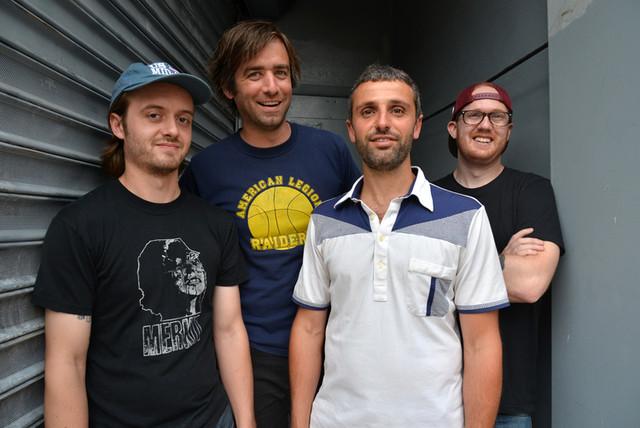
Photo: Chris Chappell
Viberate is a music analytics platform built for A&Rs, artist managers, labels, booking agents, marketers, and artists.
It helps music professionals track artist growth, analyze audience data, monitor playlist activity, compare artists, follow song performance, and identify opportunities across the music market.
Public artist pages provide a free preview of selected artist data. Paid plans provide access to deeper analytics, historical data, charts, comparisons, playlist tools, exports, alerts, reports, and additional professional features.
Yes. Public Viberate artist pages provide selected artist analytics and music data for free.
Viberate also offers a 7-day free trial of the full platform. A credit card is required to start the trial. The trial includes access to the complete product so users can test deeper artist analytics, historical views, playlist insights, comparisons, charts, exports, alerts, and reporting features before choosing a paid plan.
Viberate provides artist analytics across streaming, playlists, social media, video, radio airplay, songs, and audience markets.
Users can analyze Spotify performance, Spotify and Apple Music playlists, YouTube activity, TikTok and Instagram growth, radio spins, song performance, audience locations, demographics, rankings, and overall artist momentum.
Artist profiles also connect to music charts, similar artists, and comparison tools, helping users benchmark performance and evaluate artists in context.
Viberate updates key artist and track data daily.
For followed artists and tracks, selected data is refreshed multiple times per day. This helps teams monitor playlist changes, streaming movement, audience growth, releases, and campaign performance with more current data.
Update frequency can vary depending on the metric and data source.
Yes. Viberate lets users compare up to five artists side by side across streaming, social media, audience, and engagement metrics.
Users can compare fanbase growth, audience demographics, locations, Spotify performance, social metrics, and other artist data over selected time periods.
Artist comparison can be used for A&R scouting, benchmarking, booking decisions, campaign planning, and evaluating artists with similar audiences or market positions.