Shields

Rock
Indie Rock
Alternative Rock
 Viberate Rank: 299281
 Viberate Rank: 299281
 Monthly ListenersFollowers
 Subscribers
 Followers
 Followers
 FansTop Spotify Songs
| Track | 7-Day Streams | |
|---|---|---|
1 | 82 | |
2 | 82 | |
3 | 36 | |
4 | 31 | |
5 | 29 |
Top YouTube VideosMonthly ListenersFeatured in Playlists| Playlist | Followers | |
|---|---|---|
1 | Lowrider oldies Pinchekodiak | 91.32K |
2 |  1950's/Early 1960's Playlist Anthony Battaglia | 25.93K |
3 | The 50s and 60s Tyler Seroka | 20.46K |
4 |  Oldies (Sunday Night Oldies) realchuygomez | 10.61K |
5 | Doo Wop Oldies Motown David Markoski | 9.49K |
Audience| City | Monthly Listeners | |
|---|---|---|
1 | | 42 |
2 | | 13 |
3 | | 12 |
4 |  | 11 |
5 |  | 10 |
See full performance history, audience data, playlist activity, rankings, comparisons, and more in Viberate music analytics. Start with a free trial, then continue with a paid plan.
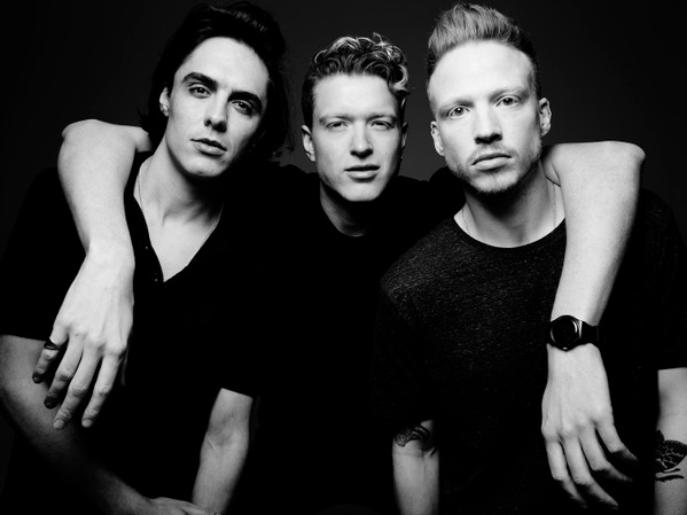
Shields’ Spotify BioShields are a Newcastle-based 5-piece band with a reputation for innovative alt-pop instrumentation and delicate harmonies. They have crafted a reputation for stunning live performances, honed by early tour support slots with the likes of Placebo, WALK THE MOON, and Everything Everything, and have appeared at BBC 6Music Festival, Melt!, Reeperbahn, and Glastonbury.
Their self-released 2016 debut album ‘How Can We Fix This?’ was produced by double Grammy award winner Adrian Bushby (Muse, Foo Fighters) and released to widespread critical acclaim, with support from The Guardian, MOJO, and Consequence of Sound amongst others. Following its release, Shields switched their focus to building the new label they had inadvertently started with the release of their debut album. Their label Kaleidoscope works with artists including Callum Pitt, Grace Gillespie and Penguin, with members of Shields heavily involved in all releases across the roster. However, 2018 is set to see their attention return… to their own music, with a new EP set for release in October.
“How Can We Fix This? is so full of murderously infectious, polished pop, it will make you a) wonder why they didn’t feature in any of the recent ones-to-watch polls but also b) ecstatic that music can still surprise… Shields may single-handedly extend the lifespan of the traditional indie band... The whole album plays like one long (musical, existential) affirmation.” (The Guardian)
Viberate is a music analytics platform built for A&Rs, artist managers, labels, booking agents, marketers, and artists.
It helps music professionals track artist growth, analyze audience data, monitor playlist activity, compare artists, follow song performance, and identify opportunities across the music market.
Public artist pages provide a free preview of selected artist data. Paid plans provide access to deeper analytics, historical data, charts, comparisons, playlist tools, exports, alerts, reports, and additional professional features.
Yes. Public Viberate artist pages provide selected artist analytics and music data for free.
Viberate also offers a 7-day free trial of the full platform. A credit card is required to start the trial. The trial includes access to the complete product so users can test deeper artist analytics, historical views, playlist insights, comparisons, charts, exports, alerts, and reporting features before choosing a paid plan.
Viberate provides artist analytics across streaming, playlists, social media, video, radio airplay, songs, and audience markets.
Users can analyze Spotify performance, Spotify and Apple Music playlists, YouTube activity, TikTok and Instagram growth, radio spins, song performance, audience locations, demographics, rankings, and overall artist momentum.
Artist profiles also connect to music charts, similar artists, and comparison tools, helping users benchmark performance and evaluate artists in context.
Viberate updates key artist and track data daily.
For followed artists and tracks, selected data is refreshed multiple times per day. This helps teams monitor playlist changes, streaming movement, audience growth, releases, and campaign performance with more current data.
Update frequency can vary depending on the metric and data source.
Yes. Viberate lets users compare up to five artists side by side across streaming, social media, audience, and engagement metrics.
Users can compare fanbase growth, audience demographics, locations, Spotify performance, social metrics, and other artist data over selected time periods.
Artist comparison can be used for A&R scouting, benchmarking, booking decisions, campaign planning, and evaluating artists with similar audiences or market positions.