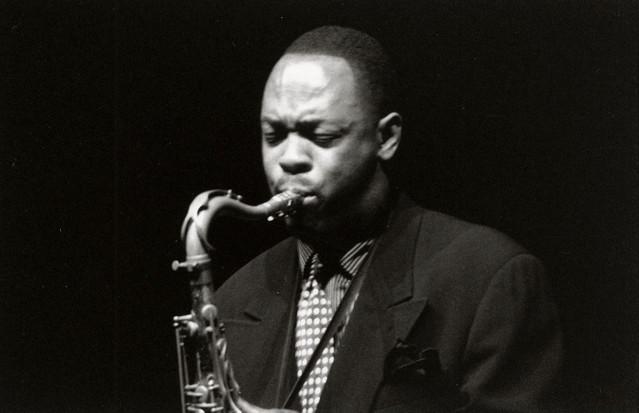
Sherman Irby

Jazz
Big band Jazz
Smooth Jazz
 Viberate Rank: 172550
 Viberate Rank: 172550
 Monthly ListenersFollowers
 Subscribers
 Followers
 Followers
 FansTop Spotify Songs
| Track | 7-Day Streams | |
|---|---|---|
1 | 538 | |
2 | 71 | |
3 | 48 | |
4 | 42 | |
5 | 41 |
Top YouTube VideosMonthly ListenersFeatured in Playlists| Playlist | Followers | |
|---|---|---|
1 | Jazz sexy pelleteur | 2.12K |
2 |  The Sound of Contemporary Post-Bop The Sounds of Spotify | 1.53K |
Audience| City | Monthly Listeners | |
|---|---|---|
1 |  | 13 |
2 | | 12 |
3 | | 10 |
4 |  | 10 |
5 |  | 9 |
See full performance history, audience data, playlist activity, rankings, comparisons, and more in Viberate music analytics. Start with a free trial, then continue with a paid plan.
Sherman Irby’s Spotify BioPost-bop alto saxophonist Sherman Irby was born and raised in Tuscaloosa, AL; encouraged by his family to learn music, he initially chose to play the viola, moving on to a series of instruments including guitar and piano before finally settling on the sax as a teen, soon becoming infatuated with jazz. While attending Clark-Atlanta University, Irby studied classical music, but also was a standout in the school's jazz orchestra. Despite graduating with a degree in music education, he refused to enter teaching, instead working a series of dead-end day jobs in order to devote his full energies to performing. After honing his skills playing behind Atlanta area musicians including ex-Art Blakey pianist Johnny O'Neal and trumpeter Eddie Adams, in 1994 Irby accepted a gig performing on a cruise ship; after close to three years of playing at sea, he relocated to New York City, where he made the after-hours jam session scene at the Greenwich Village club Smalls. In time he and his band --… pianist James Hurt, bassist Eric Revis, and drummer Dana Murray -- became Smalls regulars, and it was there that Irby was discovered by Blue Note; his first LP for the label, Full Circle, appeared in 1997. After backing the likes of Roy Hargrove, Wynton Marsalis, and Marcus Roberts, he cut his second solo effort, Big Mama's Biscuits, in 1998. Irby subsequently founded his own Black Warrior Records label, through which he released Black Warrior (2001), Faith (2004), and Organ Starter (2006). ~ Jason Ankeny, Rovi
Viberate is a music analytics platform built for A&Rs, artist managers, labels, booking agents, marketers, and artists.
It helps music professionals track artist growth, analyze audience data, monitor playlist activity, compare artists, follow song performance, and identify opportunities across the music market.
Public artist pages provide a free preview of selected artist data. Paid plans provide access to deeper analytics, historical data, charts, comparisons, playlist tools, exports, alerts, reports, and additional professional features.
Yes. Public Viberate artist pages provide selected artist analytics and music data for free.
Viberate also offers a 7-day free trial of the full platform. A credit card is required to start the trial. The trial includes access to the complete product so users can test deeper artist analytics, historical views, playlist insights, comparisons, charts, exports, alerts, and reporting features before choosing a paid plan.
Viberate provides artist analytics across streaming, playlists, social media, video, radio airplay, songs, and audience markets.
Users can analyze Spotify performance, Spotify and Apple Music playlists, YouTube activity, TikTok and Instagram growth, radio spins, song performance, audience locations, demographics, rankings, and overall artist momentum.
Artist profiles also connect to music charts, similar artists, and comparison tools, helping users benchmark performance and evaluate artists in context.
Viberate updates key artist and track data daily.
For followed artists and tracks, selected data is refreshed multiple times per day. This helps teams monitor playlist changes, streaming movement, audience growth, releases, and campaign performance with more current data.
Update frequency can vary depending on the metric and data source.
Yes. Viberate lets users compare up to five artists side by side across streaming, social media, audience, and engagement metrics.
Users can compare fanbase growth, audience demographics, locations, Spotify performance, social metrics, and other artist data over selected time periods.
Artist comparison can be used for A&R scouting, benchmarking, booking decisions, campaign planning, and evaluating artists with similar audiences or market positions.