Sheavy

Rock
Stoner Rock
Doom/Sludge Metal
 Viberate Rank: 269984
 Viberate Rank: 269984
 Monthly ListenersFollowers
 Subscribers
 Followers
 Followers
 FansTop Spotify Songs
| Track | 7-Day Streams | |
|---|---|---|
1 | 755 | |
2 | 303 | |
3 | 227 | |
4 | 202 | |
5 | 156 |
Top YouTube Videos| Video | 7-Day Views | |
|---|---|---|
1 | 9 |
Monthly ListenersFeatured in Playlists| Playlist | Followers | |
|---|---|---|
1 |  Stoner Rock A-Z boogievan | 24.16K |
2 |  Stoner Metal The Brick | 21.40K |
3 |  Psychedelic / Stoner / Desert Rock 🍄 Jaimy | 20.24K |
4 |  Stoner Rock Classics Graham Grimm Young | 10.61K |
5 |  Stoner Rock Classics StonerGuy | 9.88K |
Audience| City | Monthly Listeners | |
|---|---|---|
1 |  | 39 |
2 |  | 37 |
3 | | 37 |
4 |  | 31 |
5 | | 31 |
See full performance history, audience data, playlist activity, rankings, comparisons, and more in Viberate music analytics. Start with a free trial, then continue with a paid plan.
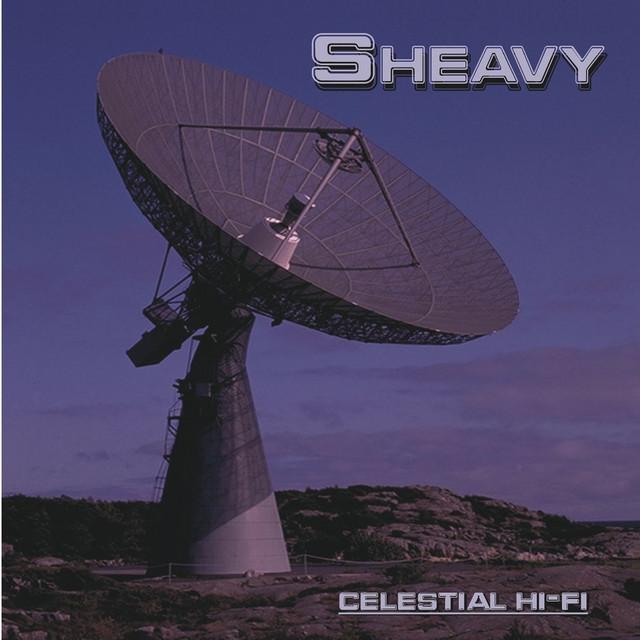
Sheavy’s Spotify BioOriginally tapped Green Machine, the Canadian prog metal band Sheavy formed in 1993 with the lineup of frontman Steve Hennessey, guitarists Dan Moore and Sterling Robertson, bassist Paul Grouchy, and drummer Ren Squires. Together the band crafted unique metal stylings throughout the '90s. The Reproduction EP, which was issued the following year, marked Sheavy's first album and the official end of the Green Machine moniker due to an American band of the same name. Slaves to Fashion was also issued during this time and Sheavy's icy hard rock was becoming well-known among metalheads across the U.S. and Europe. They signed to the Montreal-based label Mag Wheel Records to release their cover single of Black Sabbath's "Tomorrow's Dream" and their 1995 full-length Blue Sky Mind. Creative differences led the band to musically shift their ideas as well as their band family; bassist Paul Grouchy left to be replaced by Keith Foley in 1996 and a year later Sheavy inked a deal with Lee Dorian's (Ca…thedral, Napalm Death) Rise Above Records. The band remained hardworking throughout the latter half of the '90s, releasing three albums in 1998, a collaboration with Church of Misery entitled Born Too Late, and a 10'' vinyl release with artist/painter Frank Kozik's label Man's Ruin. ~ MacKenzie Wilson, Rovi
Viberate is a music analytics platform built for A&Rs, artist managers, labels, booking agents, marketers, and artists.
It helps music professionals track artist growth, analyze audience data, monitor playlist activity, compare artists, follow song performance, and identify opportunities across the music market.
Public artist pages provide a free preview of selected artist data. Paid plans provide access to deeper analytics, historical data, charts, comparisons, playlist tools, exports, alerts, reports, and additional professional features.
Yes. Public Viberate artist pages provide selected artist analytics and music data for free.
Viberate also offers a 7-day free trial of the full platform. A credit card is required to start the trial. The trial includes access to the complete product so users can test deeper artist analytics, historical views, playlist insights, comparisons, charts, exports, alerts, and reporting features before choosing a paid plan.
Viberate provides artist analytics across streaming, playlists, social media, video, radio airplay, songs, and audience markets.
Users can analyze Spotify performance, Spotify and Apple Music playlists, YouTube activity, TikTok and Instagram growth, radio spins, song performance, audience locations, demographics, rankings, and overall artist momentum.
Artist profiles also connect to music charts, similar artists, and comparison tools, helping users benchmark performance and evaluate artists in context.
Viberate updates key artist and track data daily.
For followed artists and tracks, selected data is refreshed multiple times per day. This helps teams monitor playlist changes, streaming movement, audience growth, releases, and campaign performance with more current data.
Update frequency can vary depending on the metric and data source.
Yes. Viberate lets users compare up to five artists side by side across streaming, social media, audience, and engagement metrics.
Users can compare fanbase growth, audience demographics, locations, Spotify performance, social metrics, and other artist data over selected time periods.
Artist comparison can be used for A&R scouting, benchmarking, booking decisions, campaign planning, and evaluating artists with similar audiences or market positions.