Shawn Rudiman

Electronic
Techno
Dub Techno
 Viberate Rank: 367640
 Viberate Rank: 367640
 Monthly ListenersFollowers
 Subscribers
 Followers
 Followers
 FansTop Spotify Songs
| Track | 7-Day Streams | |
|---|---|---|
1 | 27 | |
2 | 19 | |
3 | 19 | |
4 | 13 | |
5 | 10 |
Top YouTube VideosMonthly ListenersFeatured in Playlists| Playlist | Followers | |
|---|---|---|
1 |  Best New House Resident Advisor | 12.37K |
2 |  Daniel Avery - Magic + Memory [a playlist] Daniel Avery | 7.63K |
3 |  Detroit Techno 2026- Selected by Analog Experience Analog Experience (BE) | 6.20K |
4 |  Tresor Records Marcin Kusch | 5.42K |
5 |  Tresor Garden Tresor Records | 4.22K |
Audience| City | Monthly Listeners | |
|---|---|---|
1 |  | 21 |
2 |  | 16 |
3 |  | 12 |
4 |  | 10 |
5 | | 9 |
See full performance history, audience data, playlist activity, rankings, comparisons, and more in Viberate music analytics. Start with a free trial, then continue with a paid plan.
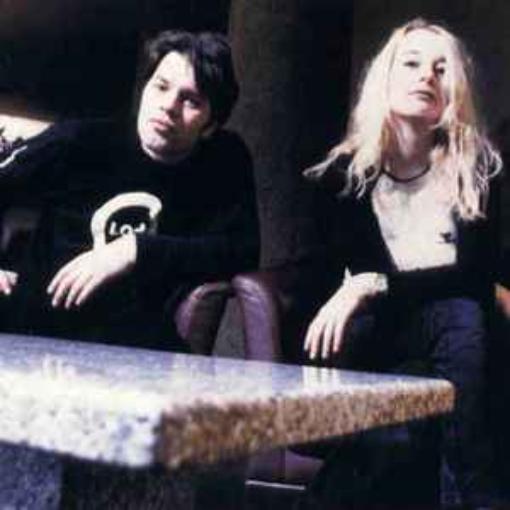
Shawn Rudiman’s Spotify BioPittsburgh's Shawn Rudiman has been making various forms of hardware-based electronic music since 1989. Initially known as one-half of the electro-industrial duo T.H.D., he shifted to techno near the end of the 1990s, and became widely praised throughout the underground electronic scene for his completely improvised live sets. He began releasing solo material in 1999 and formed the Technoir Audio label a few years later. His prolific output has ranged from gritty, aggressive techno to more dubbed-out explorations, typically working in several styles through the course of full-lengths such as Machine Soul Terminal (2008) and Conduit (2020), and concentrating more on ambient material with 2021's Flow State.
Shawn Rudiman began experimenting with musical equipment in his uncle's recording studio in the late 1980s. After learning how to program and sequence using MIDI, he formed the duo T.H.D. (Total Harmonic Distortion) with his friend Ed Vargo, and they issued their first cassette in… 1991. The pair soon became well known throughout the EBM/industrial scene, releasing albums on labels like Cleopatra and Pendragon Records, appearing on numerous compilations, and remixing songs by Christian Death and Penal Colony. In 1998, Rudiman moved from rural Pennsylvania to Pittsburgh, at a time when the city still had a flourishing warehouse rave scene. Continuing to build his extensive collection of analog gear, Rudiman strayed from his industrial roots and began producing techno and electro. He released a trio of records on the label associated with HyperVinyl Records, a Pittsburgh record shop that was active at the time. He also issued EPs on Daniel Bell's Detroit-based 7th City and Dutch acid label X-Trax.
Rudiman founded Technoir Audio in the early 2000s. Following several EPs, including a split 12" with Arne Weinberg, the debut solo full-length Synthesexual appeared in 2004. The artist continued playing gigs around the world and issuing records on his own label as well as others such as Sound Architecture and Dust Science Recordings. The album Machine Soul Terminal appeared on Swedish label Finest Blend Recordings in 2008. Rudiman revisited T.H.D. in 2009, issuing the LP The Evolution of Our Decay and companion release Subconscious Drip on 23db Records.
In 2013, he released the Uplink EP on Kirk Degiorgio's Applied Rhythmic Technology, as well as the four-installment Monolithic Soul on Detroit Techno Militia. Pittsburgh Tracks issued Rudiman's 2017 full-length Timespan, followed by his 2018 EP ...The Next Planet Over. Berlin techno institution Tresor released his EP Autonomic Pilot in 2019. AMS > PIT, a collaboration with Jordan GCZ of fellow live techno performers Juju & Jordash, appeared on Love What You Feel in February 2020. Rudiman's dubby, sci-fi-influenced full-length Conduit was issued by Pittsburgh Tracks the following June. The ambient-leaning Flow State arrived in 2021. ~ Paul Simpson, Rovi
Viberate is a music analytics platform built for A&Rs, artist managers, labels, booking agents, marketers, and artists.
It helps music professionals track artist growth, analyze audience data, monitor playlist activity, compare artists, follow song performance, and identify opportunities across the music market.
Public artist pages provide a free preview of selected artist data. Paid plans provide access to deeper analytics, historical data, charts, comparisons, playlist tools, exports, alerts, reports, and additional professional features.
Yes. Public Viberate artist pages provide selected artist analytics and music data for free.
Viberate also offers a 7-day free trial of the full platform. A credit card is required to start the trial. The trial includes access to the complete product so users can test deeper artist analytics, historical views, playlist insights, comparisons, charts, exports, alerts, and reporting features before choosing a paid plan.
Viberate provides artist analytics across streaming, playlists, social media, video, radio airplay, songs, and audience markets.
Users can analyze Spotify performance, Spotify and Apple Music playlists, YouTube activity, TikTok and Instagram growth, radio spins, song performance, audience locations, demographics, rankings, and overall artist momentum.
Artist profiles also connect to music charts, similar artists, and comparison tools, helping users benchmark performance and evaluate artists in context.
Viberate updates key artist and track data daily.
For followed artists and tracks, selected data is refreshed multiple times per day. This helps teams monitor playlist changes, streaming movement, audience growth, releases, and campaign performance with more current data.
Update frequency can vary depending on the metric and data source.
Yes. Viberate lets users compare up to five artists side by side across streaming, social media, audience, and engagement metrics.
Users can compare fanbase growth, audience demographics, locations, Spotify performance, social metrics, and other artist data over selected time periods.
Artist comparison can be used for A&R scouting, benchmarking, booking decisions, campaign planning, and evaluating artists with similar audiences or market positions.