Shatoo

Rock
Alternative Rock
Other Electronic Music
 Viberate Rank: 477221
 Viberate Rank: 477221
 Monthly ListenersFollowers
 Subscribers
 Followers
 Followers
 FansTop Spotify Songs
| Track | 7-Day Streams | |
|---|---|---|
1 | 100 | |
2 | 100 | |
3 | 50 | |
4 | 50 | |
5 | 43 |
Top YouTube VideosMonthly ListenersFeatured in Playlists| Playlist | Followers | |
|---|---|---|
1 |  Ti i Skuddet 1981-1989 Tevje Roberg | 4.23K |
2 | future pop, ebm, synthie pop, wave & co einfachtoll | 2.73K |
3 |  Futurepop & Neo-synthpop #SkyQodeRadio SkyQode | 1.20K |
Audience| City | Monthly Listeners | |
|---|---|---|
1 | | 162 |
2 | | 34 |
3 | | 19 |
4 | | 19 |
5 | | 18 |
See full performance history, audience data, playlist activity, rankings, comparisons, and more in Viberate music analytics. Start with a free trial, then continue with a paid plan.
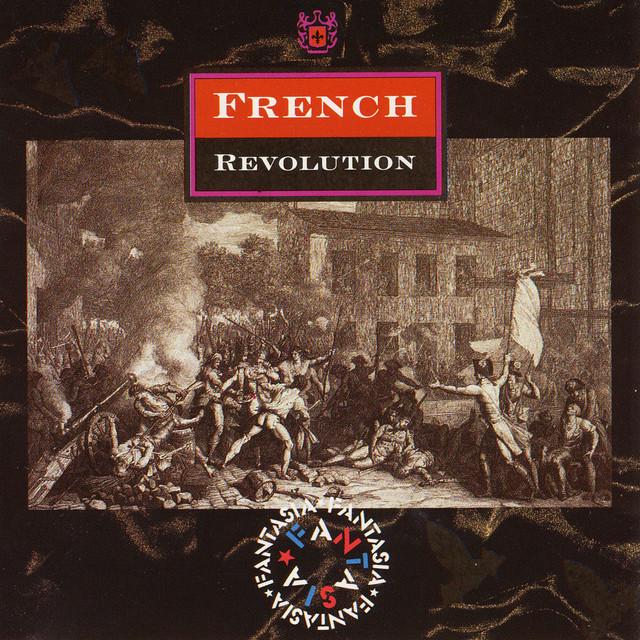
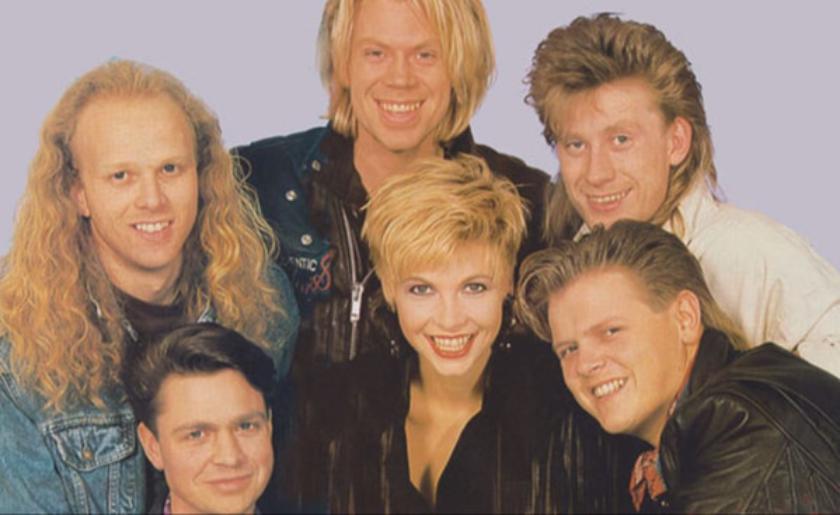
Shatoo’s Spotify BioShatoo is a band from Halden/Asker that started in 1987 with Dag Brandth, Calle Marcussen (now Varfjell) and Øyvind Haavik. The boys were only 15-17 years old when they released their debut album "A True Story". Their debut single, "Overload", was the first English-language winner at Norsktoppen and it charted at number 1 and stayed there for 11 weeks. The singles "Santorini" and "Dangertown" were also huge hits from their first album.
The second album, "Life" came out in 1988, shortly followed by Dag's solo album, "Tranquility". After this, Shatoo ended, and Dag released only one more single, "Don't Throw Our Love Away", in 1990.
In 2013, Shatoo was resurrected, and together with the original members, Dag Brandth and Calle Varfjell, keyboardist/producer Geir Bratland (ex-Apoptygma Berzerk/Dimmu Borgir) and keyboardist/producer Per Aksel Lundgreen (ex-Apoptygma Berzerk/Angst Pop/Chinese Detectives/Cronos Titan/Rossetti's Compass) joined the line-up. Also on the team is producer… Roy-Julian Digre a.k.a. Technomancer.
Geir Bratland left the band in 2014 after a couple gigs, and was replaced by Hanne Kristine Haugsand aka Psykosister.
Viberate is a music analytics platform built for A&Rs, artist managers, labels, booking agents, marketers, and artists.
It helps music professionals track artist growth, analyze audience data, monitor playlist activity, compare artists, follow song performance, and identify opportunities across the music market.
Public artist pages provide a free preview of selected artist data. Paid plans provide access to deeper analytics, historical data, charts, comparisons, playlist tools, exports, alerts, reports, and additional professional features.
Yes. Public Viberate artist pages provide selected artist analytics and music data for free.
Viberate also offers a 7-day free trial of the full platform. A credit card is required to start the trial. The trial includes access to the complete product so users can test deeper artist analytics, historical views, playlist insights, comparisons, charts, exports, alerts, and reporting features before choosing a paid plan.
Viberate provides artist analytics across streaming, playlists, social media, video, radio airplay, songs, and audience markets.
Users can analyze Spotify performance, Spotify and Apple Music playlists, YouTube activity, TikTok and Instagram growth, radio spins, song performance, audience locations, demographics, rankings, and overall artist momentum.
Artist profiles also connect to music charts, similar artists, and comparison tools, helping users benchmark performance and evaluate artists in context.
Viberate updates key artist and track data daily.
For followed artists and tracks, selected data is refreshed multiple times per day. This helps teams monitor playlist changes, streaming movement, audience growth, releases, and campaign performance with more current data.
Update frequency can vary depending on the metric and data source.
Yes. Viberate lets users compare up to five artists side by side across streaming, social media, audience, and engagement metrics.
Users can compare fanbase growth, audience demographics, locations, Spotify performance, social metrics, and other artist data over selected time periods.
Artist comparison can be used for A&R scouting, benchmarking, booking decisions, campaign planning, and evaluating artists with similar audiences or market positions.