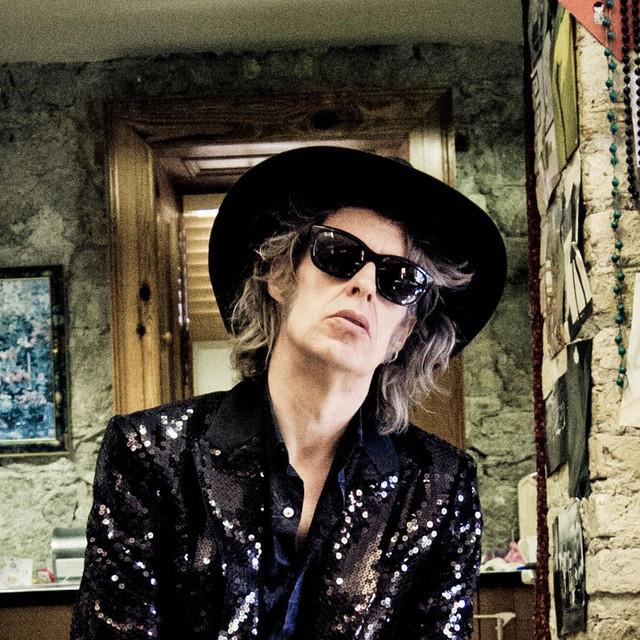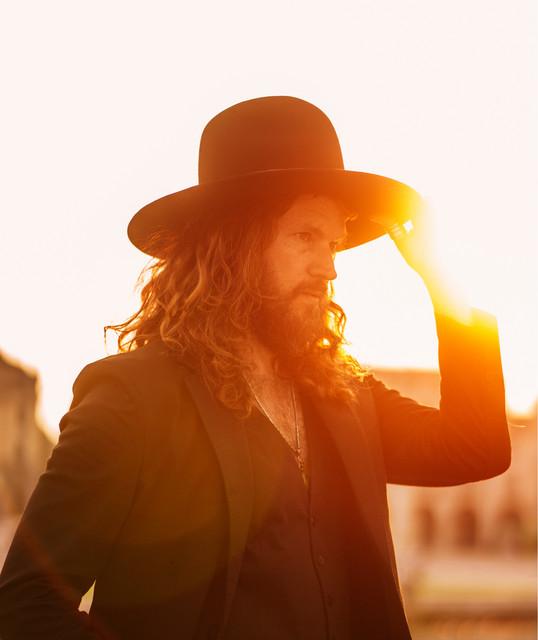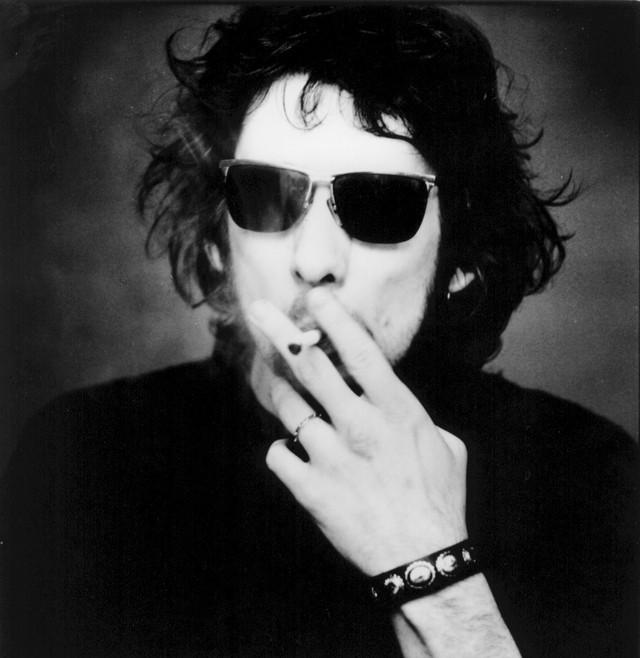
Shane Macgowan

Punk
Folk Punk
Celtic
 Viberate Rank: 29036
 Viberate Rank: 29036
 Monthly ListenersFollowers
 Subscribers
 Followers
 Followers
 FansTop Spotify Songs
| Track | 7-Day Streams | |
|---|---|---|
1 | 678.61K | |
2 | 155.74K | |
3 | 139.56K | |
4 | 70.06K | |
5 | 65.35K |
Top YouTube Videos| Video | 7-Day Views | |
|---|---|---|
1 | 384.60K | |
2 | 31.70K | |
3 | 21.05K | |
4 | 17.86K | |
5 | 15.35K |
Monthly ListenersFeatured in Playlists| Playlist | Followers | |
|---|---|---|
1 |  Christmas is Coming Spotify | 1.10M |
2 |  This Is Bruce Springsteen Spotify | 667.49K |
3 |  New Music Holiday Spotify | 274.73K |
4 |  Everything... Hozier Hozier | 238.86K |
5 |  Bruce Springsteen: The Best Of Bruce Springsteen | 235.51K |
Audience| City | Monthly Listeners | |
|---|---|---|
1 |  | 47.52K |
2 | | 44.19K |
3 | | 18.33K |
4 | | 16.70K |
5 |  | 14.87K |
See full performance history, audience data, playlist activity, rankings, comparisons, and more in Viberate music analytics. Start with a free trial, then continue with a paid plan.
Shane Macgowan’s Spotify BioA transcendent singer/songwriter who fused British punk with traditional Irish music, Shane MacGowan is best remembered as the leader of the Pogues. As their frontman and chief songwriter, he sang with a shambling mix of ferocity and tenderness, spinning tales of the drunk and the downtrodden like a modern-day James Joyce or Brenden Behan, two of his literary heroes. Songs like "The Old Main Drag" and "A Pair of Brown Eyes" established his reputation as a premier songwriter, while "Fairytale of New York," the group's 1987 collaboration with Kirsty MacColl, went on to become an enduring U.K. classic, especially around the holidays. In the late '80s, at the peak of the Pogues' success, MacGowan's excessive drunkenness and substance abuse had become untenable and in 1991 he was fired from the band. His follow-up group, the Popes, recorded a pair of albums in the '90s to lesser impact, after which he and the Pogues reunited, touring sporadically into the 2010s. Following a period of poor… health, MacGowan died in late 2023.
Shane MacGowan was born on Christmas Day, 1957, in Kent, England. Within months, his parents brought him back to their native Ireland where he enjoyed a colorful upbringing in Tipperary. His early years were spent amid a large extended family who fostered his precocious nature and sowed the seeds of his alcoholism. At age six the family moved to London; there his talents as a writer gradually blossomed, and he won several poetry contests and a literary scholarship prior to his expulsion from school at the age of 14 for drug possession. In 1976, he attended his first Sex Pistols concert and quickly became a regular at local punk shows. While briefly attending St. Martin's School of Art, he worked at a local record shop and published a fanzine under the name Shane O'Hooligan. He soon formed his own band, the Nipple Erectors (renamed the Nips after releasing their 1978 debut single, "King of the Bop"). Despite finding a mentor in the Jam's Paul Weller, the Nips were largely unsuccessful and disbanded in 1981.
Still invigorated by the spirit of punk, MacGowan found a similar energy in the Irish folk music of his youth and with the Pogues (originally called Pogue Mahone, a Gaelic term for "kiss my ass") he combined the two. With MacGowan serving as their frontman, the Pogues were unique from the start in that they not only played traditional tunes, but originals that felt like they could have been passed down by generations. Their Elvis Costello-produced second album, Rum, Sodomy, and the Lash, was a critical success and helped the Pogues jump from Stiff to Island Records, where they made their major-label debut with 1987's If I Should Fall from Grace With God. Best known for its enduring ballad "Fairytale of New York," in which MacGowan shared vocals with Kirsty MacColl, it's a staggering album with all the potency of their earlier work, but tighter arrangements and a more dramatic tone. It was also a number three U.K. hit that helped introduce the Pogues to the rest of the world. However, as stories of MacGowan's voracious appetite for alcohol and drugs swelled to mythic proportions, he grew increasingly unreliable, often missing live performances (including a series of 1988 dates opening for Bob Dylan). Despite excellent songwriting contributions to 1989's Peace and Love and 1990's Hell's Ditch, his vocals had become almost unintelligible and his live performances questionable at best. By 1991 the situation had become so unstable that he was fired from the band. The Pogues completed their tour with Joe Strummer, producer of Hell's Ditch, standing in for MacGowan, after which whistle player Spider Stacy became their frontman.
As MacGowan's drinking problem worsened, many feared for his life; apart from a 1992 duet with Nick Cave on "What a Wonderful World," he was largely silent for several years, making only the occasional drunken concert or television appearance. In 1994, however, he silenced critics by pulling himself together to form a new band, the Popes. Mining a similar territory to the Pogues, but with a more overt rock & roll edge, the Popes released two studio albums, 1994's The Snake and 1997's The Crock of Gold. An expanded edition of the former included "Haunted," a former Pogues single re-recorded as a duet between MacGowan and Sinead O'Connor that became a minor chart hit. A live album and a rarities collection rounded out the Popes' oeuvre, after which the Pogues mounted a 2001 reunion tour with MacGowan reinstated as their frontman. That same year, he and longtime partner Victoria Clarke published the memoir A Drink with Shane MacGowan.
A combination of notoriety, goodwill, and a rekindled ability as a performer carried MacGowan through the next decade. The Pogues never recorded again, instead going on a series of short annual tours that celebrated their existing catalog. MacGowan remained a public presence, occasionally jumping on-stage with drinking buddies like Johnny Depp or Pete Doherty, and generally keeping up appearances. He formed a short-lived live act, the Shane Gang, in 2010, and the Pogues managed their infrequent touring schedule for a few more years. A 2018 gala was held in Dublin celebrating MacGowan's 60th birthday, and he received an Ivor Novello Inspiration award. He and Clarke, partners for decades, were married that November. However, his health was a near constant issue; a fall coming out of a Dublin studio broke his pelvis and he used either crutches or a wheelchair for the remainder of his life. On November 30, 2023, MacGowan died of pneumonia in Dublin at age 65. A warm public outpouring followed his death and "Fairytale of New York," now a perennial U.K. holiday staple, made another run up the charts that December. ~ Jason Ankeny & Timothy Monger, Rovi
Viberate is a music analytics platform built for A&Rs, artist managers, labels, booking agents, marketers, and artists.
It helps music professionals track artist growth, analyze audience data, monitor playlist activity, compare artists, follow song performance, and identify opportunities across the music market.
Public artist pages provide a free preview of selected artist data. Paid plans provide access to deeper analytics, historical data, charts, comparisons, playlist tools, exports, alerts, reports, and additional professional features.
Yes. Public Viberate artist pages provide selected artist analytics and music data for free.
Viberate also offers a 7-day free trial of the full platform. A credit card is required to start the trial. The trial includes access to the complete product so users can test deeper artist analytics, historical views, playlist insights, comparisons, charts, exports, alerts, and reporting features before choosing a paid plan.
Viberate provides artist analytics across streaming, playlists, social media, video, radio airplay, songs, and audience markets.
Users can analyze Spotify performance, Spotify and Apple Music playlists, YouTube activity, TikTok and Instagram growth, radio spins, song performance, audience locations, demographics, rankings, and overall artist momentum.
Artist profiles also connect to music charts, similar artists, and comparison tools, helping users benchmark performance and evaluate artists in context.
Viberate updates key artist and track data daily.
For followed artists and tracks, selected data is refreshed multiple times per day. This helps teams monitor playlist changes, streaming movement, audience growth, releases, and campaign performance with more current data.
Update frequency can vary depending on the metric and data source.
Yes. Viberate lets users compare up to five artists side by side across streaming, social media, audience, and engagement metrics.
Users can compare fanbase growth, audience demographics, locations, Spotify performance, social metrics, and other artist data over selected time periods.
Artist comparison can be used for A&R scouting, benchmarking, booking decisions, campaign planning, and evaluating artists with similar audiences or market positions.