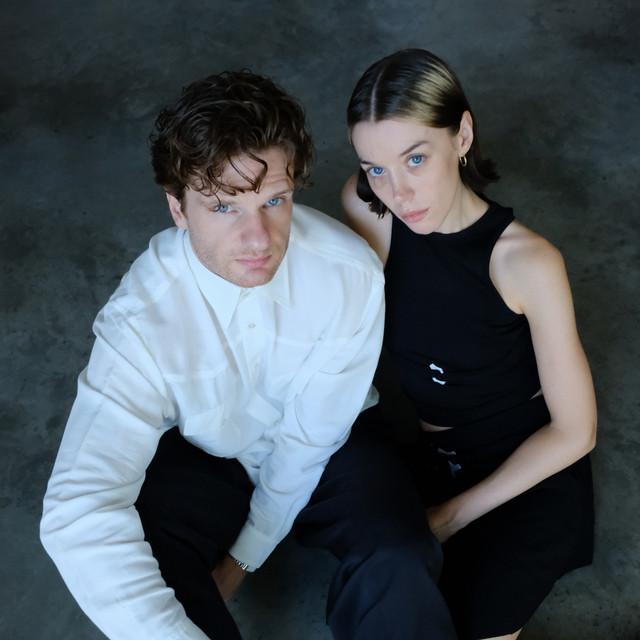
Shallou

Pop
Indie Pop
House
 Viberate Rank: 20252
 Viberate Rank: 20252
 Monthly ListenersFollowers
 Subscribers
 Followers
 Followers
 FansTop Spotify Songs
| Track | 7-Day Streams | |
|---|---|---|
1 | 96.69K | |
2 | 82.94K | |
3 | 49.45K | |
4 | 45.49K | |
5 | 40.24K |
Top YouTube Videos| Video | 7-Day Views | |
|---|---|---|
1 | 15.07K | |
2 | 8.91K | |
3 | 6.21K | |
4 | 5.82K | |
5 | 4.93K |
Monthly ListenersFeatured in Playlists| Playlist | Followers | |
|---|---|---|
1 |  Chill Tracks Spotify | 4.01M |
2 |  Deep House Relax Spotify | 3.46M |
3 |  Chill House 2026 selected. | 2.07M |
4 |  Chill Vibes 2026 🌙 Electro Posé | 1.69M |
5 |  Soft 10s Spotify | 1.63M |
Audience| City | Monthly Listeners | |
|---|---|---|
1 |  | 18.36K |
2 | | 17.64K |
3 | | 17.05K |
4 | | 15.18K |
5 |  | 13.76K |
See full performance history, audience data, playlist activity, rankings, comparisons, and more in Viberate music analytics. Start with a free trial, then continue with a paid plan.
Shallou’s Spotify BioShallou (pronounced Sha-loo) is an electronic music producer, singer and songwriter. Born Joe Boston in Washington D.C., the Shallou project began in a tiny college dorm room in New Orleans and has since grown into an international touring act. Shallou initially gained notoriety for his peaceful, blissed out production with subtle dance elements, as well as his captivating live shows. Shallou has played major music festivals like Coachella and Lollapalooza and has also sold out some of the US' most iconic venues. He's collaborated with many artists across the pop and electronic spectrum, including Daya, Elderbrook, Bob Moses, Ashe and many more. With several Billboard Dance charting songs and frequent rotation on Sirius XM, he became one of the leading voices in the "chill" electronic genre. The current sound of Shallou includes his own heart-wrenching vocals atop a distinctive blend of house, ambient and pop elements.
Viberate is a music analytics platform built for A&Rs, artist managers, labels, booking agents, marketers, and artists.
It helps music professionals track artist growth, analyze audience data, monitor playlist activity, compare artists, follow song performance, and identify opportunities across the music market.
Public artist pages provide a free preview of selected artist data. Paid plans provide access to deeper analytics, historical data, charts, comparisons, playlist tools, exports, alerts, reports, and additional professional features.
Yes. Public Viberate artist pages provide selected artist analytics and music data for free.
Viberate also offers a 7-day free trial of the full platform. A credit card is required to start the trial. The trial includes access to the complete product so users can test deeper artist analytics, historical views, playlist insights, comparisons, charts, exports, alerts, and reporting features before choosing a paid plan.
Viberate provides artist analytics across streaming, playlists, social media, video, radio airplay, songs, and audience markets.
Users can analyze Spotify performance, Spotify and Apple Music playlists, YouTube activity, TikTok and Instagram growth, radio spins, song performance, audience locations, demographics, rankings, and overall artist momentum.
Artist profiles also connect to music charts, similar artists, and comparison tools, helping users benchmark performance and evaluate artists in context.
Viberate updates key artist and track data daily.
For followed artists and tracks, selected data is refreshed multiple times per day. This helps teams monitor playlist changes, streaming movement, audience growth, releases, and campaign performance with more current data.
Update frequency can vary depending on the metric and data source.
Yes. Viberate lets users compare up to five artists side by side across streaming, social media, audience, and engagement metrics.
Users can compare fanbase growth, audience demographics, locations, Spotify performance, social metrics, and other artist data over selected time periods.
Artist comparison can be used for A&R scouting, benchmarking, booking decisions, campaign planning, and evaluating artists with similar audiences or market positions.