Shakti

Jazz
Jazz Fusion
 Viberate Rank: 162458
 Viberate Rank: 162458
 Monthly ListenersFollowers
 Subscribers
 Followers
 Followers
 FansTop Spotify Songs
| Track | 7-Day Streams | |
|---|---|---|
1 | 1.94K | |
2 | 884 | |
3 | 852 | |
4 | 766 | |
5 | 766 |
Top YouTube VideosMonthly ListenersFeatured in Playlists| Playlist | Followers | |
|---|---|---|
1 |  The Sound of Everything The Sounds of Spotify | 53.83K |
2 |  ASSTRONOMY 202 caneronwinter | 30.91K |
3 |  autumn albums margeaux | 11.75K |
4 | Washed Out's Lazy Afternoon Mix washed_out_official | 10.13K |
5 |  Quiet Reading Music Elliot Nash | 9.97K |
Audience| City | Monthly Listeners | |
|---|---|---|
1 |  | 530 |
2 | | 362 |
3 | | 351 |
4 | | 246 |
5 | | 242 |
See full performance history, audience data, playlist activity, rankings, comparisons, and more in Viberate music analytics. Start with a free trial, then continue with a paid plan.
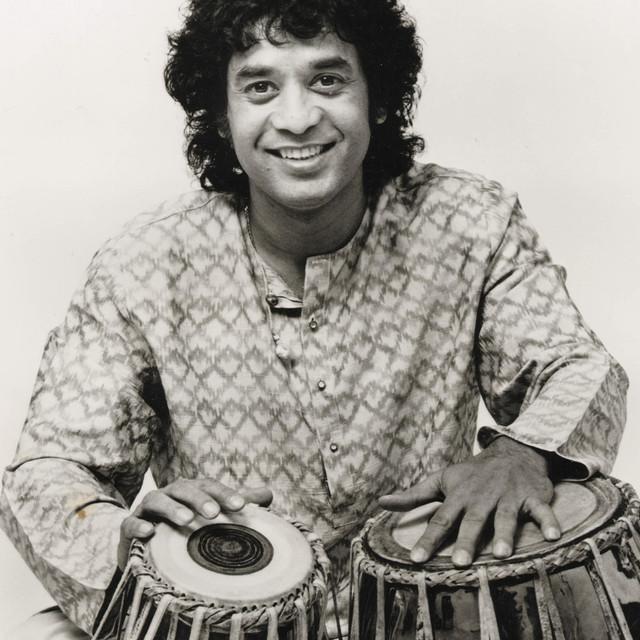
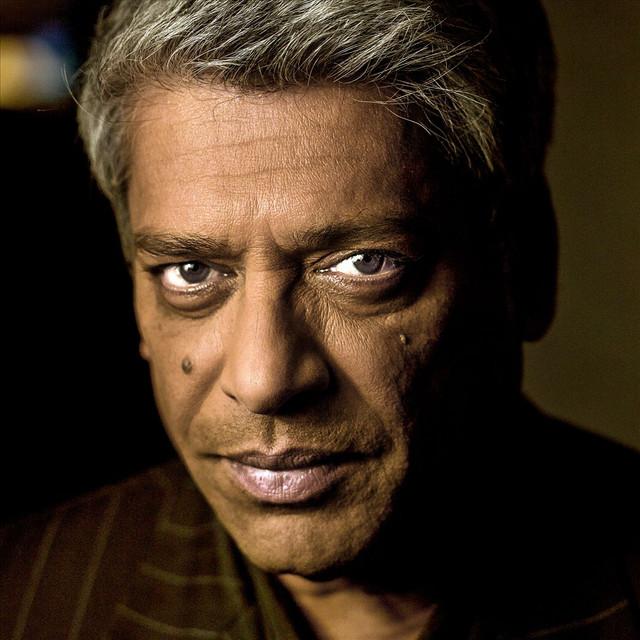
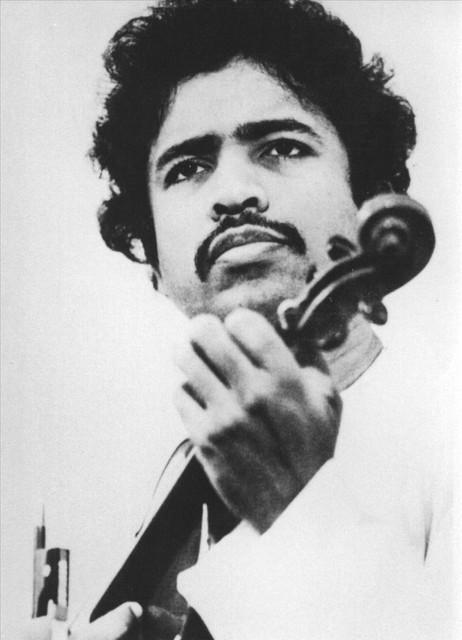
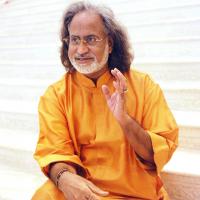
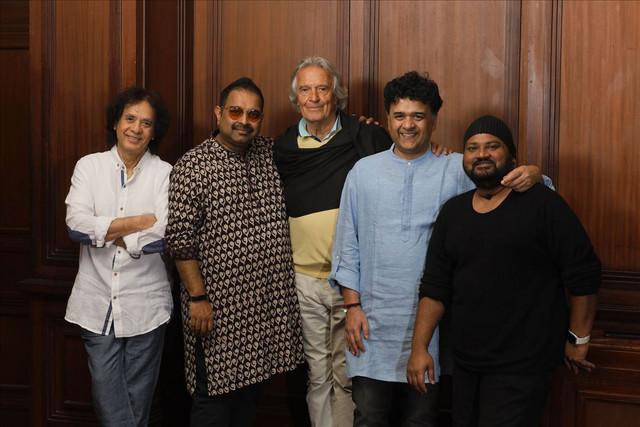
Shakti’s Spotify BioShakti is an international musical ensemble founded by guitarist John McLaughlin, tabla master Zakir Hussain, violinist L. Shankar, and percussionists Ramnad Raghavan and T.H. "Vikku" Vinayakram. Their Hindi name translates as "creative intelligence, beauty, and power." They play an intense acoustic fusion combining Carnatic and Southern Indian music, structured improvisation, and modern jazz. Their live debut Shakti with John McLaughlin appeared in 1976. 1977's A Handful of Beauty and Natural Elements were studio efforts. In 1978 Shakti splintered to pursue individual projects. During the late '90s, the band re-formed with new members Hariprasad Chaurasia, a bansuri flute master. They released Remember Shakti in 1997. Mandolinist U. Srinivas joined for 1999's The Believer and 2001's Saturday Night in Bombay on Verve. The group toured intermittently when schedules allowed. Following the death of Srinivas in 2014, they split again. They reunited for 2023's Grammy-winning This Moment,… with Ganesh Rajagopalan replacing Shankar.
In early 1974, before Mahavishnu Orchestra's 1975 breakup, guitarist John McLaughlin was introduced to Indian tabla master Zakir Hussain (the son of Ustad Alla Rakha, king of Indian tabla drummers at the time). Hussain was a vaunted member of Ravi Shankar's touring ensemble. McLaughlin asked him for and received lessons in Indian music; unsurprisingly, he was a quick study. Over time these lessons evolved into jam sessions that put the pair on the path to forming a band. In early 1975, deeply inspired by his work with Hussain, McLaughlin broke up Mahavishnu Orchestra and joined Hussain, violinist L. Shankar, ghatam player T.H. "Vikku" Vinayakram, and Ramnad V. Raghavan on mridangam (all participated in jam and composing sessions) to form Shakti.
The group wasted no time -- they couldn't since they lived on different continents. McLaughlin secured Shakti a deal with Columbia (Mahavishnu's label) since he owed them recordings. During their long rehearsals, Shakti carved an ecstatic new sound that crossed elements of Carnatic and South Indian musical traditions with furious East/West improvisation and spiritual jazz, creating blazing new pathways that would eventually influence generations of musicians globally.
The group's innovative self-titled debut was recorded at South Hampton College and released during the summer of 1975. It landed inside the Top 200 and went Top 40 on the jazz album charts. Following a tour, Raghavan departed, leaving Shakti a quartet. 1976's A Handful of Beauty, their first studio album, placed higher on both the Top 200 and jazz album lists. A short tour preceded the sessions that resulted in 1977's studio effort Natural Elements. Following a support tour, McLaughlin and Hussain moved on to other projects, though Shakti did not officially split. All four men, who enjoyed very busy careers, remained close.
After a two-decade hiatus, McLaughlin and Hussain decided to re-form Shakti as a touring and recording entity. They re-enlisted Vinayakram but couldn't locate Shankar. McLaughlin opted to coax legendary bansuri flute master Hariprasad Chaurasia into the lineup as his replacement and called the new band Remember Shakti. The group recorded an eponymous double-length studio offering. Released in 1999 on Verve, it contained five long compositions: three by McLaughlin and two by Chaurasia. The guitarist's tunes include a new version of "The Wish" -- it previously appeared on McLaughlin's underrated The Promise -- "Lotus Feet" from 1976's Mahavishnu Orchestra album Inner Worlds (a short version appeared on Shakti's 1976 debut), and "Zakir," recorded first for Hussain's Making Music. The album was less incendiary, but no less intricate or innovative. Remember Shakti showcased the group's compositional strengths, and dynamic harmonic and rhythmic curiosities.
During the early '90s, McLaughlin had heard a tape of 13-year-old mandolinist U. Srinivas at the Berlin Jazz Festival. He fell under the youngster's spell and began following his prolific career (during his lifetime he recorded more than 137 albums under his own name) In 1995, U.Srinivas recorded Dream, a very successful world fusion album in collaboration with Canadian guitarist/producer Michael Brook. Released on Realworld, the album convinced McLaughlin he needed to work with the mandolinist.
After the release of Remember Shakti in 1997, he asked Srinivas to join the group alongside himself, Hussain, and V. Selvaganesh (son of Vikku). They toured the globe and in 2000, Remember Shakti issued the live set The Believer on Verve. It peaked inside the Top 20 on the jazz album chart. They followed it a year later with Saturday Night in Bombay, another live set that featured the quartet in the company of a large array of Indian musical guests that included Hindustani slide guitarist Debashish Bhattacharya, Shivkumar Sharma on santoor, and Shankar Mahadeven on vocals -- the latter later assumed the role in the band's lineup.
In 2004, Remember Shakti played the 38th Montreux Jazz Festival and issued a limited-edition live album. The following year they released the archival Live at Miles Davis Hall, 8 July 1999. Both albums later appeared in the guitarist's massive Montreux Concerts Box Set.
McLaughlin, Srinivas, and Hussain were all very busy. Given their residences on different continents, Remember Shakti only played together intermittently as its members' schedules permitted. Srinivas, a huge star at home, worked constantly and ran a free music school he founded as a teen in Chennai. He and his brother U. Rajesh, also a virtuoso mandolinist, collaborated with McLaughlin, on the 2006 album Samjanitha with Hussain, Sivamani, and George Brooks. (Two years later, U. Rajesh was a featured soloist on the guitarist's Floating Point.)
In September 2014, nine days after undergoing a liver transplant, U. Srinivas died from complications. Remember Shakti stopped touring in response. In early 2020, before the pandemic lock downs, Shakti once again reconstituted itself, convening with violinist Ganesh Rajagopalan for two sold-out concerts -- the first in India on January 14, the second in Singapore on January 16, both in 2020. These gigs, although isolated occurrences given the pandemic's reach, provided a catalytic spark for Shakti's rebirth. Over 2021 and 2022, they played special live shows and in June 2023 released the double-length studio set This Moment on Abstract Logix. Recorded in the U.S., Canada, and India to mark Shakti's 50th anniversary, the eight-song set comprised members' original and traditional Indian songs, was co-produced by McLaughlin and Vinayakram, and performed by the quintet with Hussain on tablas, vocalist Mahadevan, violinist Rajagopalan, and percussionist Vinayakram. This Moment received the award for Best Global Music Album at the 66th Annual Grammy Awards in 2024. ~ Thom Jurek, Rovi
Viberate is a music analytics platform built for A&Rs, artist managers, labels, booking agents, marketers, and artists.
It helps music professionals track artist growth, analyze audience data, monitor playlist activity, compare artists, follow song performance, and identify opportunities across the music market.
Public artist pages provide a free preview of selected artist data. Paid plans provide access to deeper analytics, historical data, charts, comparisons, playlist tools, exports, alerts, reports, and additional professional features.
Yes. Public Viberate artist pages provide selected artist analytics and music data for free.
Viberate also offers a 7-day free trial of the full platform. A credit card is required to start the trial. The trial includes access to the complete product so users can test deeper artist analytics, historical views, playlist insights, comparisons, charts, exports, alerts, and reporting features before choosing a paid plan.
Viberate provides artist analytics across streaming, playlists, social media, video, radio airplay, songs, and audience markets.
Users can analyze Spotify performance, Spotify and Apple Music playlists, YouTube activity, TikTok and Instagram growth, radio spins, song performance, audience locations, demographics, rankings, and overall artist momentum.
Artist profiles also connect to music charts, similar artists, and comparison tools, helping users benchmark performance and evaluate artists in context.
Viberate updates key artist and track data daily.
For followed artists and tracks, selected data is refreshed multiple times per day. This helps teams monitor playlist changes, streaming movement, audience growth, releases, and campaign performance with more current data.
Update frequency can vary depending on the metric and data source.
Yes. Viberate lets users compare up to five artists side by side across streaming, social media, audience, and engagement metrics.
Users can compare fanbase growth, audience demographics, locations, Spotify performance, social metrics, and other artist data over selected time periods.
Artist comparison can be used for A&R scouting, benchmarking, booking decisions, campaign planning, and evaluating artists with similar audiences or market positions.