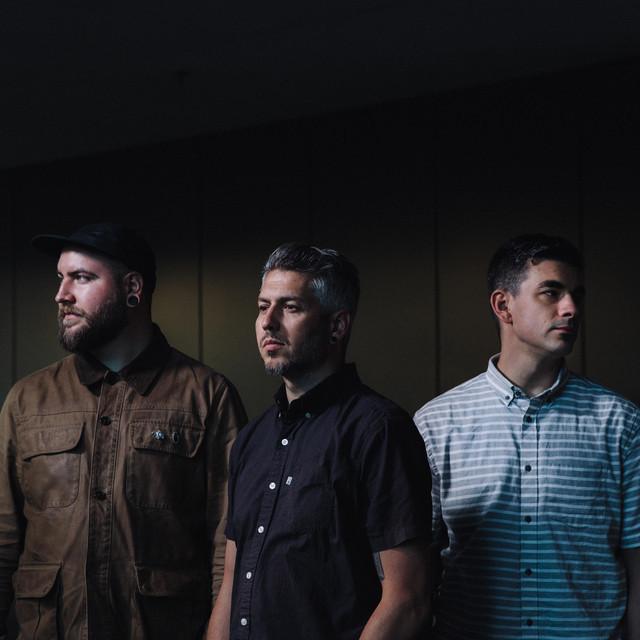
Shai Linne

Hip Hop
Contemporary Hip Hop
 Viberate Rank: 85311
 Viberate Rank: 85311
 Monthly ListenersFollowers
 Subscribers
 Followers
 Followers
 FansTop Spotify Songs
| Track | 7-Day Streams | |
|---|---|---|
1 | 3.82K | |
2 | 2.69K | |
3 | 2.23K | |
4 | 2.03K | |
5 | 2.02K |
Top YouTube VideosMonthly ListenersFeatured in Playlists| Playlist | Followers | |
|---|---|---|
1 |  Verse for Verse Spotify | 304.58K |
2 |  Christian Rap Workout Mix 1212961127 | 40.33K |
3 |  Christian Rap - The Rapzilla Playlist Rapzilla.com | 37.15K |
4 |  Christian Workout Mike | 17.61K |
5 |  Hymns: 3,000 Traditional Hymns by Modern Artists brucekonold | 15.52K |
Audience| City | Monthly Listeners | |
|---|---|---|
1 | | 772 |
2 | | 601 |
3 | | 524 |
4 | | 516 |
5 | | 507 |
See full performance history, audience data, playlist activity, rankings, comparisons, and more in Viberate music analytics. Start with a free trial, then continue with a paid plan.
Shai Linne’s Spotify BioAlthough he is Reformed in his theology and his lyrics have defended a belief in limited atonement, Christian rapper Shai Linne grew up a declared atheist. Born and raised in Philadelphia, Linne converted in 1999 and six years later released his debut album, The Solus Christus Project. Two albums, The Atonement and Storiez, followed in 2008. Three years later he released the conceptual effort The Attributes of God, an album that studied the character of the Lord. Beside guest appearances from Joint Heirs, Timothy Brindle, and Leah Smith, his 2013 effort, Lyrical Theology, Pt. 1: Theology, featured the newsmaking "Fal$e Teacher$," a track that criticized prosperity theology and called its leadership out by name. Lyrical Theology, Pt. 2: Doxology followed in 2014, after which he helped establish Risen Christ Fellowship in his hometown. Linne subsequently returned to the studio and recorded Still Jesus, issued in 2017. ~ David Jeffries, Rovi
Viberate is a music analytics platform built for A&Rs, artist managers, labels, booking agents, marketers, and artists.
It helps music professionals track artist growth, analyze audience data, monitor playlist activity, compare artists, follow song performance, and identify opportunities across the music market.
Public artist pages provide a free preview of selected artist data. Paid plans provide access to deeper analytics, historical data, charts, comparisons, playlist tools, exports, alerts, reports, and additional professional features.
Yes. Public Viberate artist pages provide selected artist analytics and music data for free.
Viberate also offers a 7-day free trial of the full platform. A credit card is required to start the trial. The trial includes access to the complete product so users can test deeper artist analytics, historical views, playlist insights, comparisons, charts, exports, alerts, and reporting features before choosing a paid plan.
Viberate provides artist analytics across streaming, playlists, social media, video, radio airplay, songs, and audience markets.
Users can analyze Spotify performance, Spotify and Apple Music playlists, YouTube activity, TikTok and Instagram growth, radio spins, song performance, audience locations, demographics, rankings, and overall artist momentum.
Artist profiles also connect to music charts, similar artists, and comparison tools, helping users benchmark performance and evaluate artists in context.
Viberate updates key artist and track data daily.
For followed artists and tracks, selected data is refreshed multiple times per day. This helps teams monitor playlist changes, streaming movement, audience growth, releases, and campaign performance with more current data.
Update frequency can vary depending on the metric and data source.
Yes. Viberate lets users compare up to five artists side by side across streaming, social media, audience, and engagement metrics.
Users can compare fanbase growth, audience demographics, locations, Spotify performance, social metrics, and other artist data over selected time periods.
Artist comparison can be used for A&R scouting, benchmarking, booking decisions, campaign planning, and evaluating artists with similar audiences or market positions.