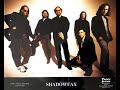
Shadowfax

Jazz
Free Jazz
Downtempo
 Viberate Rank: 194968
 Viberate Rank: 194968
 Monthly ListenersFollowers
 Subscribers
 Followers
 Followers
 FansTop Spotify Songs
| Track | 7-Day Streams | |
|---|---|---|
1 | 2.15K | |
2 | 2.10K | |
3 | 1.21K | |
4 | 1.11K | |
5 | 1.05K |
Top YouTube VideosMonthly ListenersFeatured in Playlists| Playlist | Followers | |
|---|---|---|
1 |  Halt and Catch Fire Dudu Torres | 16.00K |
2 |  Cooking With Palms Trax palmstrax | 9.33K |
3 | Burning Jazz-rock Fusion fusionprogguy | 8.92K |
4 |  Concentration & Chill - beats without words. Music for studying, coding etc. Maciej Błędkowski | 8.23K |
5 |  The Best of Windham Hill plus... eich08 | 8.19K |
Audience| City | Monthly Listeners | |
|---|---|---|
1 |  | 284 |
2 | | 161 |
3 | | 156 |
4 | | 143 |
5 | | 142 |
See full performance history, audience data, playlist activity, rankings, comparisons, and more in Viberate music analytics. Start with a free trial, then continue with a paid plan.
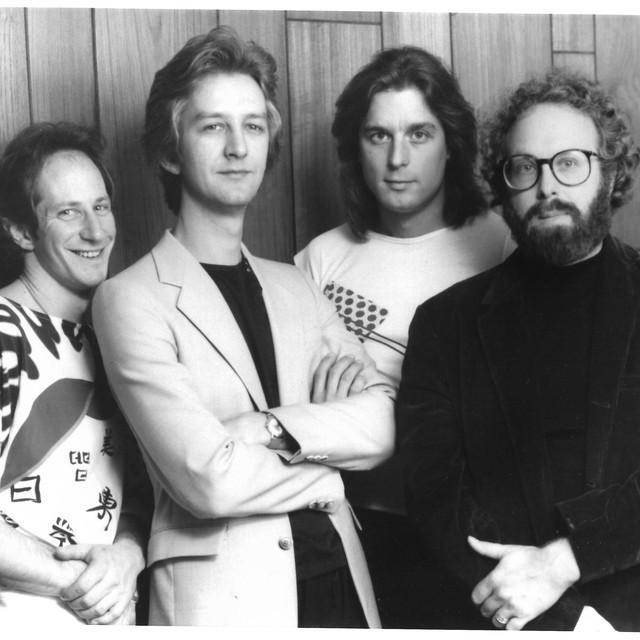
Shadowfax’s Spotify BioOne of new age electronic music's earliest and best-known proponents, Shadowfax were formed in Chicago in 1972 by saxophonist Chuck Greenberg, guitarist G.E. Stinson, and bassist Phil Maggini. Originally a blues band, the trio soon began exploring chamber jazz and folk; even medieval music began creeping into the mix, appropriately enough for a group named in honor of a horse from J.R.R. Tolkien's Lord of the Rings series. Adding drummer Stuart Nevitt in 1974, Shadowfax issued their debut LP, Watercourse Way, two years later; failing to make an immediate impact, the quartet did attract a cult following that continued to grow following its subsequent signing to the Windham Hill label. Their commercial breakthrough arrived with the release of 1982's eponymously titled effort, which reached the upper rungs of the Billboard jazz charts; for the follow-up, 1983's Shadowdance, Shadowfax's ranks swelled with the additions of violinist Jamii Szmadzinski and pianist/synth player Jared Stewart.… The band endured multiple personnel changes in the years to follow, with founding members Greenberg and Maggini both remaining constants well into the 1990s. However, given Greenberg's leadership position in Shadowfax and role in creating their signature sound (including his playing of the Lyricon electronic wind instrument that he helped to engineer), the group disbanded following the reedman's death from a heart attack while vacationing on California's Santa Cruz Island in September 1995. ~ Jason Ankeny, Rovi
Viberate is a music analytics platform built for A&Rs, artist managers, labels, booking agents, marketers, and artists.
It helps music professionals track artist growth, analyze audience data, monitor playlist activity, compare artists, follow song performance, and identify opportunities across the music market.
Public artist pages provide a free preview of selected artist data. Paid plans provide access to deeper analytics, historical data, charts, comparisons, playlist tools, exports, alerts, reports, and additional professional features.
Yes. Public Viberate artist pages provide selected artist analytics and music data for free.
Viberate also offers a 7-day free trial of the full platform. A credit card is required to start the trial. The trial includes access to the complete product so users can test deeper artist analytics, historical views, playlist insights, comparisons, charts, exports, alerts, and reporting features before choosing a paid plan.
Viberate provides artist analytics across streaming, playlists, social media, video, radio airplay, songs, and audience markets.
Users can analyze Spotify performance, Spotify and Apple Music playlists, YouTube activity, TikTok and Instagram growth, radio spins, song performance, audience locations, demographics, rankings, and overall artist momentum.
Artist profiles also connect to music charts, similar artists, and comparison tools, helping users benchmark performance and evaluate artists in context.
Viberate updates key artist and track data daily.
For followed artists and tracks, selected data is refreshed multiple times per day. This helps teams monitor playlist changes, streaming movement, audience growth, releases, and campaign performance with more current data.
Update frequency can vary depending on the metric and data source.
Yes. Viberate lets users compare up to five artists side by side across streaming, social media, audience, and engagement metrics.
Users can compare fanbase growth, audience demographics, locations, Spotify performance, social metrics, and other artist data over selected time periods.
Artist comparison can be used for A&R scouting, benchmarking, booking decisions, campaign planning, and evaluating artists with similar audiences or market positions.