Seraphic Fire

Classical
Classical Crossover
Choral
 Viberate Rank: 128503
 Viberate Rank: 128503
 Monthly ListenersFollowers
 Subscribers
 Followers
 Followers
 FansTop Spotify Songs
| Track | 7-Day Streams | |
|---|---|---|
1 | 3.35K | |
2 | 2.44K | |
3 | 2.04K | |
4 | 359 | |
5 | 273 |
Top YouTube Videos| Video | 7-Day Views | |
|---|---|---|
1 | 12.93K | |
2 | 4.42K | |
3 | 2.38K | |
4 | 1.94K | |
5 | 1.84K |
Monthly ListenersFeatured in Playlists| Playlist | Followers | |
|---|---|---|
1 |  Choir songs that give me chills Alexa👹 | 102.31K |
2 |  Christmas Choir Spotify | 87.02K |
3 |  Gregorian Chants & Hymns for Sleep, Study & Solitude Joseph Santiago | 82.75K |
4 |  Calming Carols Spotify | 30.65K |
5 | Ave Maria Nick Soon | 17.10K |
Audience| City | Monthly Listeners | |
|---|---|---|
1 |  | 283 |
2 | | 228 |
3 | | 213 |
4 | | 193 |
5 | | 146 |
See full performance history, audience data, playlist activity, rankings, comparisons, and more in Viberate music analytics. Start with a free trial, then continue with a paid plan.
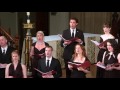
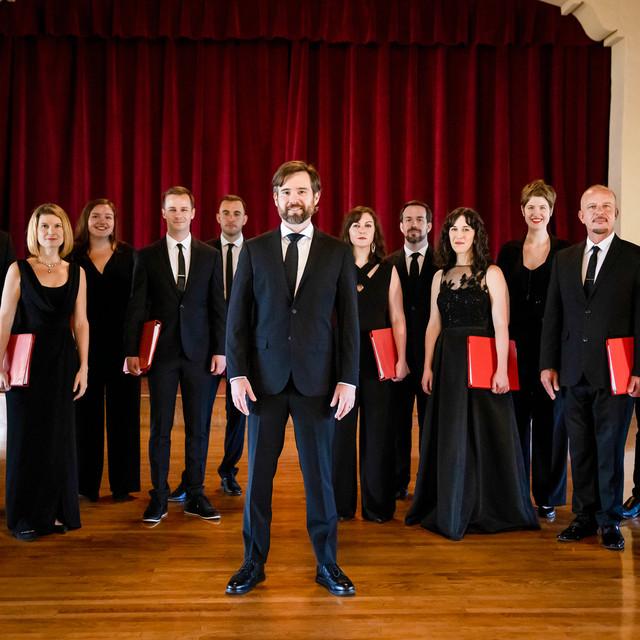
Seraphic Fire’s Spotify BioSeraphic Fire is an ensemble dedicated to the concert performance of the breadth of history’s musical works for the human voice. Lauded by Gramophone for its “mellifluous, crystalline artistry,” Seraphic Fire has gained an international reputation for dynamic, cutting-edge, and historically informed programming that encompasses both secular and sacred literature. The ensemble’s roster is populated by performers, teachers, and scholars who represent the best of the American school of vocal and instrumental training. Established in 2002, Seraphic Fire is led by its founder, Patrick Dupre Quigley.
Throughout its two-decade history, the ensemble has commissioned and premiered works by American composers including Alvaro Bermudez, Shawn Crouch, Douglas Cuomo, Sydney Guillaume, James Kallembach, Susan LaBarr, Ileana Pérez Velázquez, Jake Runestad, and Christopher Theofanidis. With their newest release, Hildegard of Bingen: Ordo Virtutum, Seraphic Fire will have released 16 recordings on its… Seraphic Fire Media label. Several of the ensemble’s recordings have topped the classical music charts. Two – Brahms: Ein Deutsches Requiem, Op. 45 and Seraphic Fire Christmas– have received Grammy nominations.
Viberate is a music analytics platform built for A&Rs, artist managers, labels, booking agents, marketers, and artists.
It helps music professionals track artist growth, analyze audience data, monitor playlist activity, compare artists, follow song performance, and identify opportunities across the music market.
Public artist pages provide a free preview of selected artist data. Paid plans provide access to deeper analytics, historical data, charts, comparisons, playlist tools, exports, alerts, reports, and additional professional features.
Yes. Public Viberate artist pages provide selected artist analytics and music data for free.
Viberate also offers a 7-day free trial of the full platform. A credit card is required to start the trial. The trial includes access to the complete product so users can test deeper artist analytics, historical views, playlist insights, comparisons, charts, exports, alerts, and reporting features before choosing a paid plan.
Viberate provides artist analytics across streaming, playlists, social media, video, radio airplay, songs, and audience markets.
Users can analyze Spotify performance, Spotify and Apple Music playlists, YouTube activity, TikTok and Instagram growth, radio spins, song performance, audience locations, demographics, rankings, and overall artist momentum.
Artist profiles also connect to music charts, similar artists, and comparison tools, helping users benchmark performance and evaluate artists in context.
Viberate updates key artist and track data daily.
For followed artists and tracks, selected data is refreshed multiple times per day. This helps teams monitor playlist changes, streaming movement, audience growth, releases, and campaign performance with more current data.
Update frequency can vary depending on the metric and data source.
Yes. Viberate lets users compare up to five artists side by side across streaming, social media, audience, and engagement metrics.
Users can compare fanbase growth, audience demographics, locations, Spotify performance, social metrics, and other artist data over selected time periods.
Artist comparison can be used for A&R scouting, benchmarking, booking decisions, campaign planning, and evaluating artists with similar audiences or market positions.