Sensei Chop

Hip Hop
Contemporary Hip Hop
 Viberate Rank: 434152
 Viberate Rank: 434152
 Monthly ListenersFollowers
 Subscribers
 Followers
 Followers
 FansTop Spotify Songs
| Track | 7-Day Streams | |
|---|---|---|
1 | 736 | |
2 | 5 | |
3 | 3 | |
4 | 3 |
Top YouTube VideosMonthly ListenersFeatured in Playlists| Playlist | Followers | |
|---|---|---|
1 |  Hip Hop 💣 Gangsta Rap BASS* 2027 ricardonds82 | 11.45K |
2 |  Music to Shoot to nidoja | 1.03K |
Audience| City | Monthly Listeners | |
|---|---|---|
1 |  | 116 |
2 | | 42 |
3 | | 37 |
4 | | 31 |
5 | | 28 |
See full performance history, audience data, playlist activity, rankings, comparisons, and more in Viberate music analytics. Start with a free trial, then continue with a paid plan.
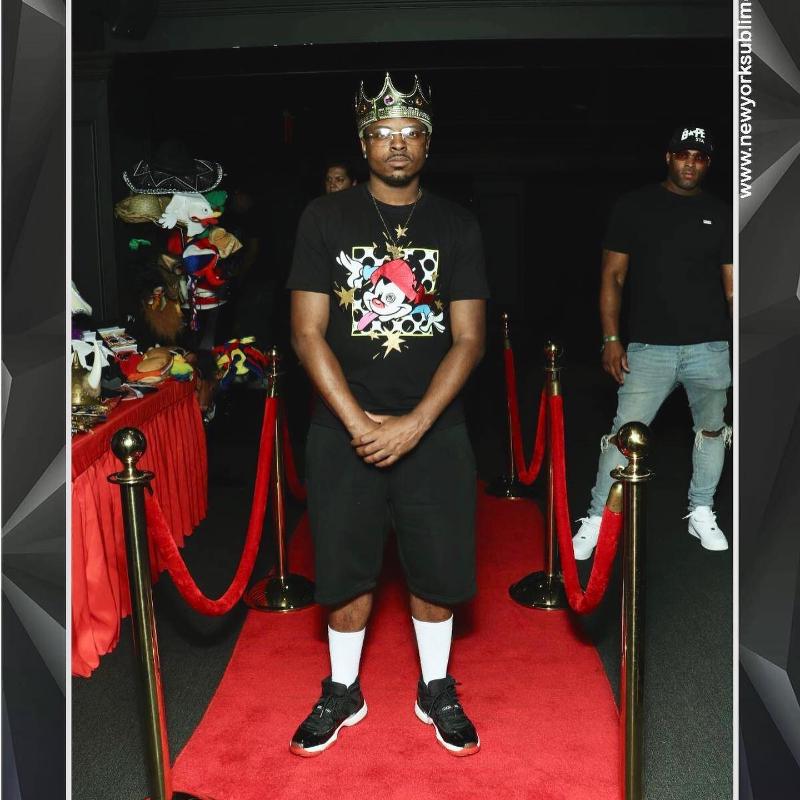
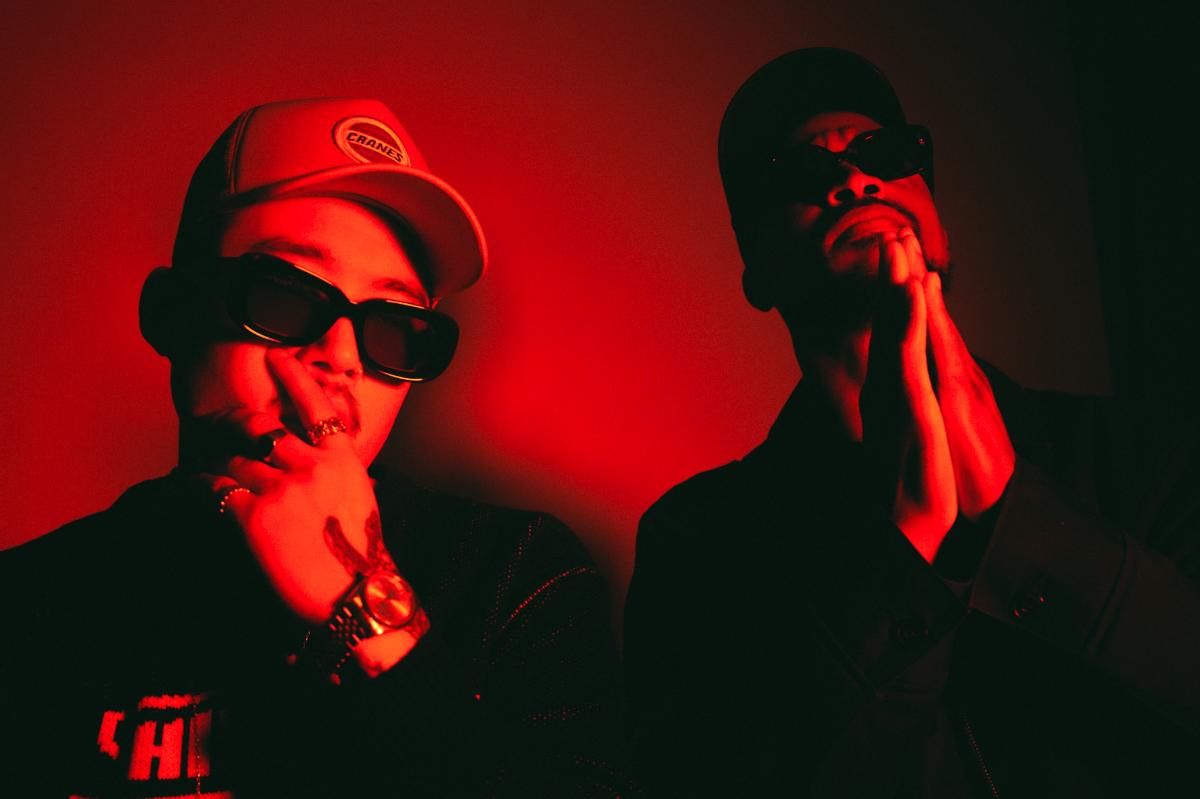
Sensei Chop’s Spotify BioA pivotal part of Sensei Chop’s artistry relies on his unique ability to combine his passion for rap with film. Where others have to focus on one outlet to express themselves, Chop is lucky enough to blend both elements with little to no effort. As a rapper, he shines through with his wordplay and delivery and as a shooter, he’s able to bring full visions to life. Now, with both in his arsenal, Sensei Chop is looking to take the music industry by storm.
Growing up in Atlanta, Ga, Chop, whose real name is Chris Nichols, was exposed to the richness of the city and quickly gained the confidence to start rapping under the name Poke Chop at just 12 years old. With the same stage name, he recorded a few songs with seasoned rapper Kevin Gates but holds his own under his newest moniker. Listeners to his music would describe his style as conversational with each track sounding as if he’s talking directly to his audience. This is evident on his most recent single “Expensive Glass” where the title… acts as a reference to the lenses found in film.
Keeping in line with his love for shooting visuals, he’s preparing his newest EP “Music to Shoot To”. He steadily juggles multiple titles as a solo artist, artist manager, and entrepreneur who spearheads the lifestyle brand, ‘Shooter Culture’, that focuses on the contributions and lifestyles of shooters in today’s society.
Viberate is a music analytics platform built for A&Rs, artist managers, labels, booking agents, marketers, and artists.
It helps music professionals track artist growth, analyze audience data, monitor playlist activity, compare artists, follow song performance, and identify opportunities across the music market.
Public artist pages provide a free preview of selected artist data. Paid plans provide access to deeper analytics, historical data, charts, comparisons, playlist tools, exports, alerts, reports, and additional professional features.
Yes. Public Viberate artist pages provide selected artist analytics and music data for free.
Viberate also offers a 7-day free trial of the full platform. A credit card is required to start the trial. The trial includes access to the complete product so users can test deeper artist analytics, historical views, playlist insights, comparisons, charts, exports, alerts, and reporting features before choosing a paid plan.
Viberate provides artist analytics across streaming, playlists, social media, video, radio airplay, songs, and audience markets.
Users can analyze Spotify performance, Spotify and Apple Music playlists, YouTube activity, TikTok and Instagram growth, radio spins, song performance, audience locations, demographics, rankings, and overall artist momentum.
Artist profiles also connect to music charts, similar artists, and comparison tools, helping users benchmark performance and evaluate artists in context.
Viberate updates key artist and track data daily.
For followed artists and tracks, selected data is refreshed multiple times per day. This helps teams monitor playlist changes, streaming movement, audience growth, releases, and campaign performance with more current data.
Update frequency can vary depending on the metric and data source.
Yes. Viberate lets users compare up to five artists side by side across streaming, social media, audience, and engagement metrics.
Users can compare fanbase growth, audience demographics, locations, Spotify performance, social metrics, and other artist data over selected time periods.
Artist comparison can be used for A&R scouting, benchmarking, booking decisions, campaign planning, and evaluating artists with similar audiences or market positions.