Sensational Saints

R&B
Soul
Gospel
 Viberate Rank: 427440
 Viberate Rank: 427440
 Monthly ListenersFollowers
 Subscribers
 Followers
 Followers
 FansTop Spotify Songs
| Track | 7-Day Streams | |
|---|---|---|
1 | 1.51K | |
2 | 277 | |
3 | 96 | |
4 | 64 | |
5 | 42 |
Top YouTube VideosMonthly ListenersFeatured in Playlists| Playlist | Followers | |
|---|---|---|
1 |  Living In My Headphones James Lavelle (UNKLE) | 16.04K |
2 |  If It's Sunday Morning Numero Group | 11.76K |
3 | Psychedelic Soul Sean Easton | 10.63K |
4 |  Jeroen Delodder — Studio Brussel Jeroen Delodder (sheridan) | 8.94K |
5 |  Surf rock/psychadelic/jingly jangly Sam Gbr Vy | 8.46K |
Audience| City | Monthly Listeners | |
|---|---|---|
1 | | 149 |
2 |  | 128 |
3 | | 124 |
4 |  | 104 |
5 | | 95 |
See full performance history, audience data, playlist activity, rankings, comparisons, and more in Viberate music analytics. Start with a free trial, then continue with a paid plan.
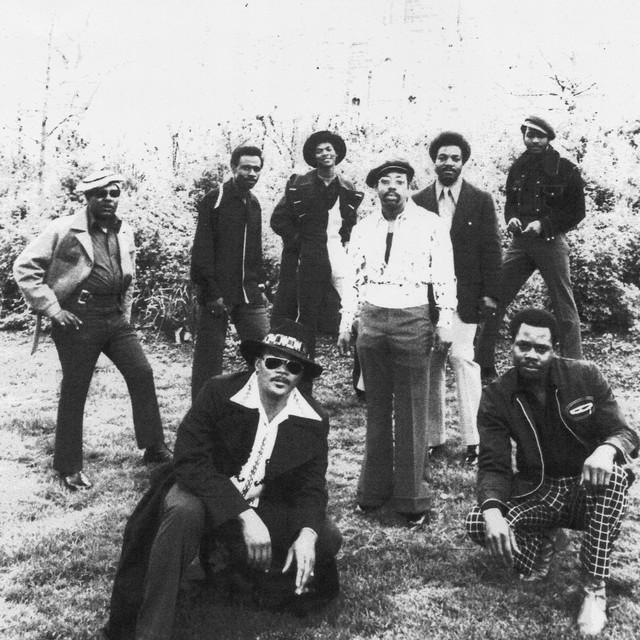
Sensational Saints’ Spotify BioFormed in the early '50a under the watchful eye of Tuskegee, Alabama, transplant Charles Chambliss, the Sensational Saints were handpicked from a Cleveland clothing store, a pool room, and from a group of friends singing from a third story window. After years spent rotating members and issuing stray singles for assorted non-denominational imprints, the group connected with the vocally inclined Reverend Melvin Kenniebrew at the close of the '60s, making good on their "Sensational" boast. "With God in their hearts and singing on their minds," the Sensational Saints mounted their crown jewel in 1973 with "You Won't Believe It" (Try It You'll Like Us). The group's lone long-player perfectly encapsulates the intersection of funk and gospel as only the religious conversion of a Bill Withers's tune can do.
Viberate is a music analytics platform built for A&Rs, artist managers, labels, booking agents, marketers, and artists.
It helps music professionals track artist growth, analyze audience data, monitor playlist activity, compare artists, follow song performance, and identify opportunities across the music market.
Public artist pages provide a free preview of selected artist data. Paid plans provide access to deeper analytics, historical data, charts, comparisons, playlist tools, exports, alerts, reports, and additional professional features.
Yes. Public Viberate artist pages provide selected artist analytics and music data for free.
Viberate also offers a 7-day free trial of the full platform. A credit card is required to start the trial. The trial includes access to the complete product so users can test deeper artist analytics, historical views, playlist insights, comparisons, charts, exports, alerts, and reporting features before choosing a paid plan.
Viberate provides artist analytics across streaming, playlists, social media, video, radio airplay, songs, and audience markets.
Users can analyze Spotify performance, Spotify and Apple Music playlists, YouTube activity, TikTok and Instagram growth, radio spins, song performance, audience locations, demographics, rankings, and overall artist momentum.
Artist profiles also connect to music charts, similar artists, and comparison tools, helping users benchmark performance and evaluate artists in context.
Viberate updates key artist and track data daily.
For followed artists and tracks, selected data is refreshed multiple times per day. This helps teams monitor playlist changes, streaming movement, audience growth, releases, and campaign performance with more current data.
Update frequency can vary depending on the metric and data source.
Yes. Viberate lets users compare up to five artists side by side across streaming, social media, audience, and engagement metrics.
Users can compare fanbase growth, audience demographics, locations, Spotify performance, social metrics, and other artist data over selected time periods.
Artist comparison can be used for A&R scouting, benchmarking, booking decisions, campaign planning, and evaluating artists with similar audiences or market positions.