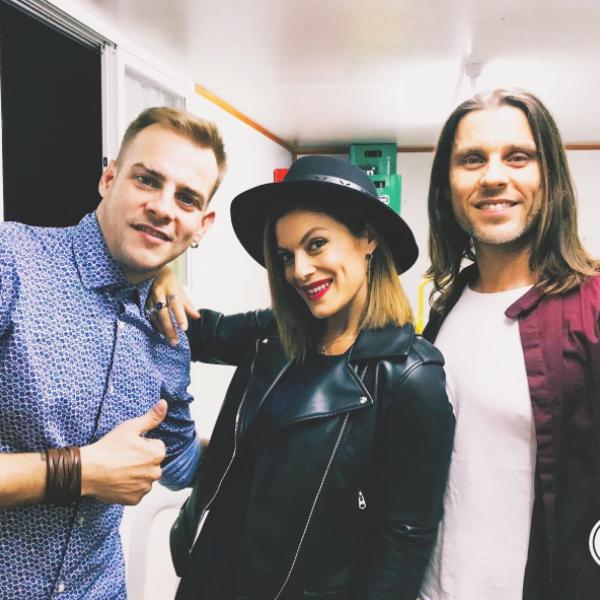
Selena Leo

Latin
Salsa
Merengue
Latin Pop
 Viberate Rank: 253824
 Viberate Rank: 253824
 Monthly ListenersFollowers
 Subscribers
 Followers
 Followers
 FansTop Spotify Songs
| Track | 7-Day Streams | |
|---|---|---|
1 | 4.38K | |
2 | 645 | |
3 | 602 | |
4 | 174 | |
5 | 91 |
Top YouTube VideosMonthly ListenersFeatured in Playlists| Playlist | Followers | |
|---|---|---|
1 | Fiestón milenial by @nostalgiamilenial nostalgiamilenial | 47.08K |
2 | Pop en Español 2000's ✨ Arti Torres | 44.03K |
3 |  I Love Dance 90's | 00's 💙 EMPO Electronic Meeting Point | 18.86K |
4 | CARIBE MIX 2000 - 20XX Rubén Rodri | 16.82K |
5 | CLASICOS ESPAÑOLES Sandra Wkd | 9.96K |
Audience| City | Monthly Listeners | |
|---|---|---|
1 | | 1.31K |
2 | | 769 |
3 |  | 645 |
4 | | 265 |
5 | | 231 |
See full performance history, audience data, playlist activity, rankings, comparisons, and more in Viberate music analytics. Start with a free trial, then continue with a paid plan.
Selena Leo’s Spotify BioComenzó su carrera artística siendo solo una niña como bailarina, sus 16 años trabajó en radio Castellón "40 principales", cadena SER.
A los 17 ya era componente de diferentes ballets en Tv1, Tv3, Tele 5 y canal 9.
A los 18 recibió su primer premio nacional al ser ganadora del campeonato de España de salsa y merengue.
A los 19 pasó un año de adiestramiento en el Ballet Nacional de Cuba.
Regresando a España siguió desarrollando su faceta creativa coreografiando espectáculos para un sinfín de artistas y bailando con artistas como Enrique Iglesias, Celia Cruz y Ricky Martin entre otros.
A los 23 años trabajo como reportera y presentadora de Tv en Localia televisión.
El siguiente paso fue la canción, esta vez como cantante.
En el año 2001, a la edad de 25 años, grabó su primer disco con el dúo "Sonia y Selena" (Yo quiero bailar) con más de un millón de discos vendidos, fue la canción del verano, número 1 en ventas realizando giras internacionales.
Sonia y Selena se separaron al año siguiente.
En… 2002, Selena comenzó su carrera artística en solitario como Selena Leo.
Ya en solitario sacó dos discos "Yo quiero bailar” “nada volverá a ser igual” o otros álbumes que no están en las plataformas. Desde el 2008 ha sacado varios singles. Ahora en 2023 la artista se abre a nuevos retos musicales.
Viberate is a music analytics platform built for A&Rs, artist managers, labels, booking agents, marketers, and artists.
It helps music professionals track artist growth, analyze audience data, monitor playlist activity, compare artists, follow song performance, and identify opportunities across the music market.
Public artist pages provide a free preview of selected artist data. Paid plans provide access to deeper analytics, historical data, charts, comparisons, playlist tools, exports, alerts, reports, and additional professional features.
Yes. Public Viberate artist pages provide selected artist analytics and music data for free.
Viberate also offers a 7-day free trial of the full platform. A credit card is required to start the trial. The trial includes access to the complete product so users can test deeper artist analytics, historical views, playlist insights, comparisons, charts, exports, alerts, and reporting features before choosing a paid plan.
Viberate provides artist analytics across streaming, playlists, social media, video, radio airplay, songs, and audience markets.
Users can analyze Spotify performance, Spotify and Apple Music playlists, YouTube activity, TikTok and Instagram growth, radio spins, song performance, audience locations, demographics, rankings, and overall artist momentum.
Artist profiles also connect to music charts, similar artists, and comparison tools, helping users benchmark performance and evaluate artists in context.
Viberate updates key artist and track data daily.
For followed artists and tracks, selected data is refreshed multiple times per day. This helps teams monitor playlist changes, streaming movement, audience growth, releases, and campaign performance with more current data.
Update frequency can vary depending on the metric and data source.
Yes. Viberate lets users compare up to five artists side by side across streaming, social media, audience, and engagement metrics.
Users can compare fanbase growth, audience demographics, locations, Spotify performance, social metrics, and other artist data over selected time periods.
Artist comparison can be used for A&R scouting, benchmarking, booking decisions, campaign planning, and evaluating artists with similar audiences or market positions.