Selah

Religious
Christian Music
Mainstream Pop
 Viberate Rank: 22802
 Viberate Rank: 22802
 Monthly ListenersFollowers
 Subscribers
 Followers
 Followers
 FansTop Spotify Songs
| Track | 7-Day Streams | |
|---|---|---|
1 | 63.82K | |
2 | 59.19K | |
3 | 35.81K | |
4 | 26.95K | |
5 | 21.79K |
Top YouTube VideosMonthly ListenersFeatured in Playlists| Playlist | Followers | |
|---|---|---|
1 | Popular Christian Music Juliann Hale | 258.39K |
2 |  Christmas Spirit Spotify | 174.22K |
3 | Top 100 Christian Worship Songs asbjorn.haaland | 169.59K |
4 |  Contemporary Christian Christmas Spotify | 145.22K |
5 |  Christmas Worship Spotify | 111.70K |
Audience| City | Monthly Listeners | |
|---|---|---|
1 |  | 11.19K |
2 |  | 7.97K |
3 |  | 7.11K |
4 | | 6.93K |
5 | | 6.68K |
See full performance history, audience data, playlist activity, rankings, comparisons, and more in Viberate music analytics. Start with a free trial, then continue with a paid plan.
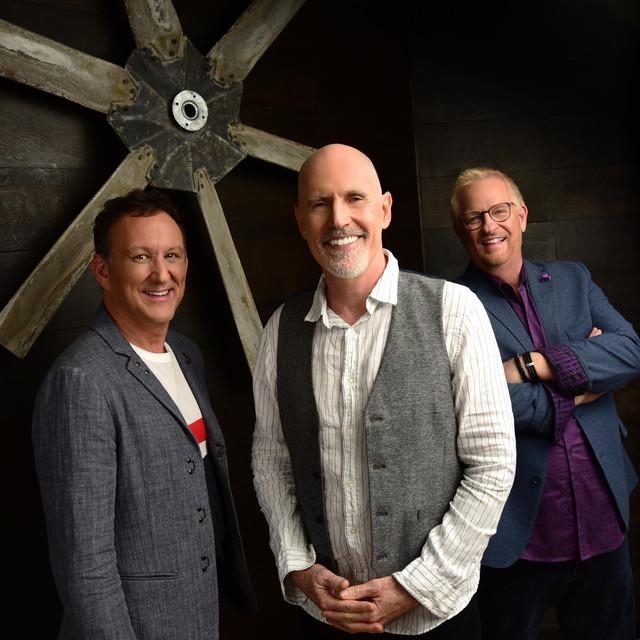
Selah’s Spotify BioSELAH, the well established legacy group that has sold over 4 million records (2 Gold Albums), won 11 Dove Awards, and has over 900 million streams across all digital music platforms. As a well respected artists in the Christian Music Industry, SELAH has worked and performed with countless artists including CeCe Winans, Casting Crowns, Mac Powell, Phillips, Craig & Dean, as well as some of today’s up and coming artists like Jason Crabb, Joseph Habedank, and Natalie Layne.
The November 1, 2024 release of the new album, Higher Name, represents more than just a collection of songs; it’s a reflection of Selah’s journey, both individually and as a group. What sets this album apart is the depth of emotion and vulnerability that permeates every note. Each track is a testament to life — faith, hope, struggle, heartbreak, disappointment, victory, triumph, joy — all woven together with the threads of Selah’s signature melody and harmony.
Viberate is a music analytics platform built for A&Rs, artist managers, labels, booking agents, marketers, and artists.
It helps music professionals track artist growth, analyze audience data, monitor playlist activity, compare artists, follow song performance, and identify opportunities across the music market.
Public artist pages provide a free preview of selected artist data. Paid plans provide access to deeper analytics, historical data, charts, comparisons, playlist tools, exports, alerts, reports, and additional professional features.
Yes. Public Viberate artist pages provide selected artist analytics and music data for free.
Viberate also offers a 7-day free trial of the full platform. A credit card is required to start the trial. The trial includes access to the complete product so users can test deeper artist analytics, historical views, playlist insights, comparisons, charts, exports, alerts, and reporting features before choosing a paid plan.
Viberate provides artist analytics across streaming, playlists, social media, video, radio airplay, songs, and audience markets.
Users can analyze Spotify performance, Spotify and Apple Music playlists, YouTube activity, TikTok and Instagram growth, radio spins, song performance, audience locations, demographics, rankings, and overall artist momentum.
Artist profiles also connect to music charts, similar artists, and comparison tools, helping users benchmark performance and evaluate artists in context.
Viberate updates key artist and track data daily.
For followed artists and tracks, selected data is refreshed multiple times per day. This helps teams monitor playlist changes, streaming movement, audience growth, releases, and campaign performance with more current data.
Update frequency can vary depending on the metric and data source.
Yes. Viberate lets users compare up to five artists side by side across streaming, social media, audience, and engagement metrics.
Users can compare fanbase growth, audience demographics, locations, Spotify performance, social metrics, and other artist data over selected time periods.
Artist comparison can be used for A&R scouting, benchmarking, booking decisions, campaign planning, and evaluating artists with similar audiences or market positions.