Sekktor

Hip Hop
Contemporary Hip Hop
 Viberate Rank: 773375
 Viberate Rank: 773375
 Monthly ListenersFollowers
 Subscribers
 Followers
 Followers
 FansTop Spotify Songs
| Track | 7-Day Streams | |
|---|---|---|
1 | 6 | |
2 | 4 | |
3 | 2 |
Top YouTube VideosMonthly ListenersFeatured in Playlists| Playlist | Followers | |
|---|---|---|
1 |  Rapfeuer 4U Deutschrap & Newcomer 🔥 Direkt für dich 🔥 SPOTIFYPLAYLIST2022 Ammo | 11.34K |
2 |  GNOAT GNOAT | 7.97K |
Audience| City | Monthly Listeners | |
|---|---|---|
1 |  | 4 |
2 | | 4 |
3 | | 3 |
See full performance history, audience data, playlist activity, rankings, comparisons, and more in Viberate music analytics. Start with a free trial, then continue with a paid plan.
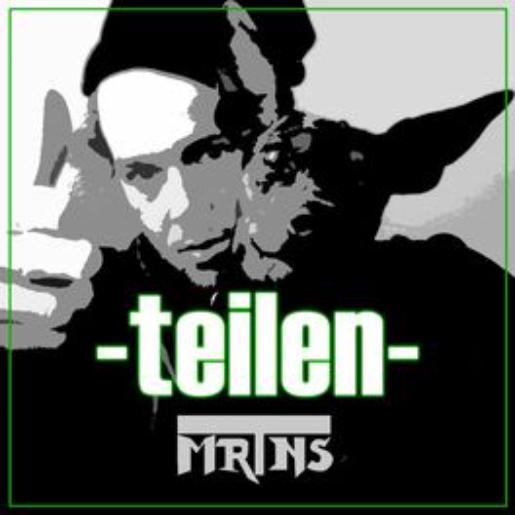
Sekktor’s Spotify BioSekktor wurde Anfang der 90er Jahre - der golden Era des Hip-Hop- in Pirmasens, Rheinland-Pfalz geboren. Als Scheidungskind waren die Familienverhältnisse zerrüttet, die Polizei ein Dauergast und der Junge wanderte zwischen Mutter, Vater und Großeltern hin und her. Im Alter von 12 Jahren landete er im Kinderheim. Er musste wegen seiner Wut- und Gewaltausbrüche fast ein halbes Jahr in einer Jugendpsychiatrie behandelt werden sollte. Im Anschluss daran wurde er unter Aufsicht des Jugendamtes in eine Pflegefamilie außerhalb von Pirmasens überstellt. Dort lebte er bis er 17 war. Mit 18, nachdem er seine Ausbildung abgeschlossen hatte, ging es für ihn wieder zurück in seine Heimat. Jobs wurden vernachlässigt und Alkohol, Drogen und Gewalt wurden zum Alltag. Mit 19 war er bereits regelmäßig unter dem Einfluss von Amphetaminen, Cannabis und Alkohol. Mit 20 wollte er kein konventionell geregeltes Leben und er entschied seinen Lebensunterhalt mit dem Verkauf von Speed zu finanzieren. Eine… heftige Sucht, ständiger Polizeikontakt und Anzeigen. 4 Jahre später war er endgültig am Tiefpunkt seines Lebens angelangt. Körperlich, psychisch und finanziell war er komplett verbrannt. 2 Jahre Struggle um clean zu werden und zu bleiben und um wieder ins Berufsleben einzusteigen. Dann wurde es Zeit, musikalisch einen neuen und ernsteren Weg einzuschlagen. Dreck der Stadt nahm den Künstler unter Vertrag und der Rest ist Geschichte: www.dreck-der-stadt.de/sekktor
Viberate is a music analytics platform built for A&Rs, artist managers, labels, booking agents, marketers, and artists.
It helps music professionals track artist growth, analyze audience data, monitor playlist activity, compare artists, follow song performance, and identify opportunities across the music market.
Public artist pages provide a free preview of selected artist data. Paid plans provide access to deeper analytics, historical data, charts, comparisons, playlist tools, exports, alerts, reports, and additional professional features.
Yes. Public Viberate artist pages provide selected artist analytics and music data for free.
Viberate also offers a 7-day free trial of the full platform. A credit card is required to start the trial. The trial includes access to the complete product so users can test deeper artist analytics, historical views, playlist insights, comparisons, charts, exports, alerts, and reporting features before choosing a paid plan.
Viberate provides artist analytics across streaming, playlists, social media, video, radio airplay, songs, and audience markets.
Users can analyze Spotify performance, Spotify and Apple Music playlists, YouTube activity, TikTok and Instagram growth, radio spins, song performance, audience locations, demographics, rankings, and overall artist momentum.
Artist profiles also connect to music charts, similar artists, and comparison tools, helping users benchmark performance and evaluate artists in context.
Viberate updates key artist and track data daily.
For followed artists and tracks, selected data is refreshed multiple times per day. This helps teams monitor playlist changes, streaming movement, audience growth, releases, and campaign performance with more current data.
Update frequency can vary depending on the metric and data source.
Yes. Viberate lets users compare up to five artists side by side across streaming, social media, audience, and engagement metrics.
Users can compare fanbase growth, audience demographics, locations, Spotify performance, social metrics, and other artist data over selected time periods.
Artist comparison can be used for A&R scouting, benchmarking, booking decisions, campaign planning, and evaluating artists with similar audiences or market positions.