Seizures

Metal
Progressive Metal
Hardcore Punk
 Viberate Rank: 667129
 Viberate Rank: 667129
 Monthly ListenersFollowers
 Subscribers
 Followers
 Followers
 FansTop Spotify Songs
| Track | 7-Day Streams | |
|---|---|---|
1 | 12 | |
2 | 10 | |
3 | 7 | |
4 | 7 | |
5 | 7 |
Top YouTube VideosMonthly ListenersFeatured in Playlists| Playlist | Followers | |
|---|---|---|
1 |  The Sound of Mathcore The Sounds of Spotify | 5.13K |
2 | Punk, oi!, hardcore, ska, early reggae, skacore, thrash, grindcore, psychobilly, doom, powerviolence SurfSkateThrash | 2.16K |
3 |  The Sound of Chaotic Hardcore The Sounds of Spotify | 1.28K |
Audience| City | Monthly Listeners | |
|---|---|---|
1 | | 7 |
2 |  | 5 |
3 | | 3 |
4 | | 3 |
5 | | 3 |
See full performance history, audience data, playlist activity, rankings, comparisons, and more in Viberate music analytics. Start with a free trial, then continue with a paid plan.
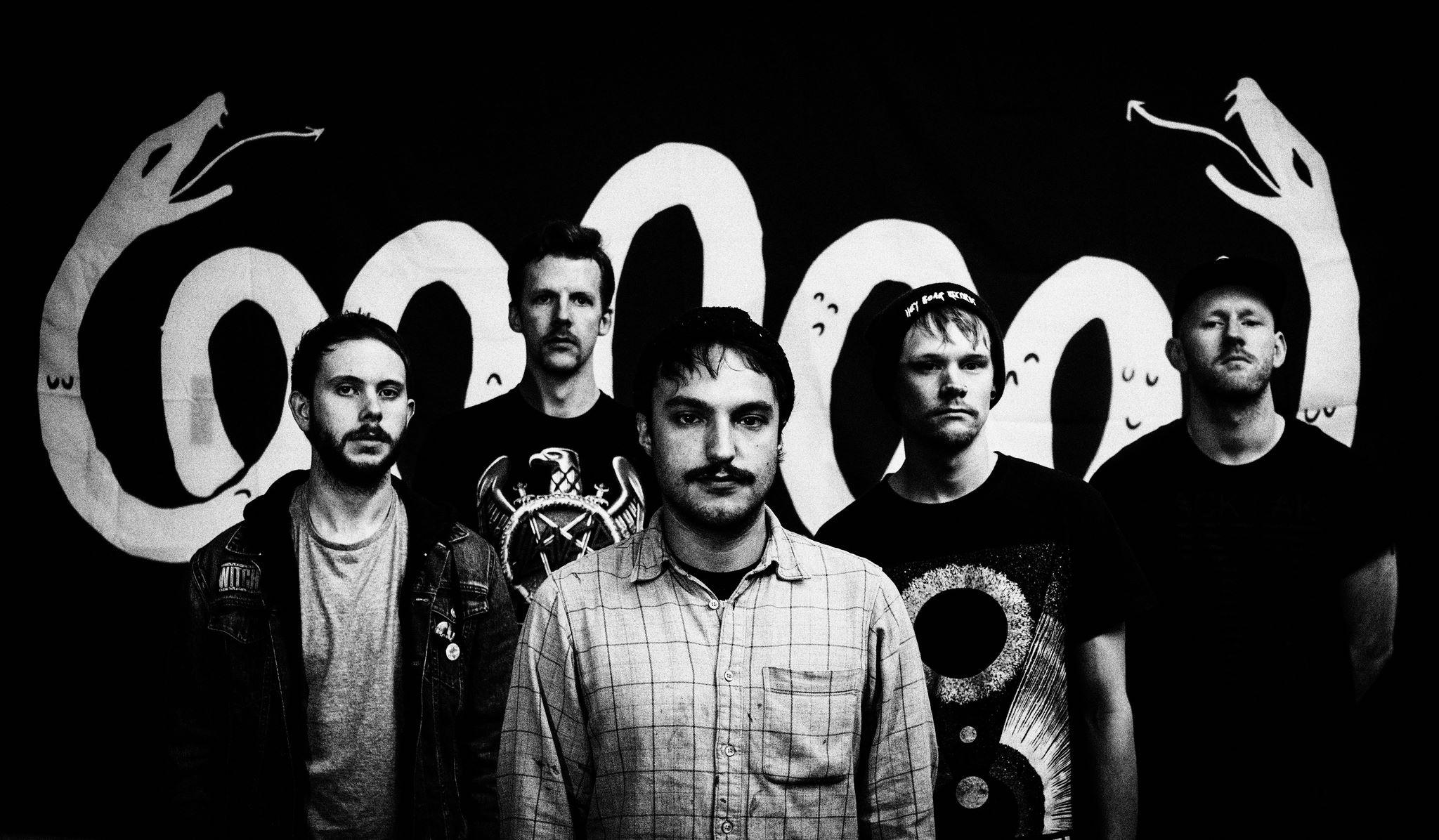
Seizures’ Spotify BioExperimental hardcore band Seizures was formed in 2010, by Cameron Miller, Albert Navarro, Buddy Porter, and Nathan Najera. They were joined by bassist Ian Hodges of Porter and Najera’s previous band Shadows. The band quickly became known for their chaotic house and backyard shows throughout Southern California suburbs, often times playing in complete darkness. Their debut album Antipathy was released by UK label FETO Records in April 2011.
Seizures toured in support of Antipathy and the Colombian Necktie / Seizures Split throughout 2012. Najera switched from drums to second guitar with the departure of Porter, allowing drummer Cody Andrews to join their lineup. The band resurfaced in late 2013 with mathcore classic, The Sanity Universal.
Seizures embarked on several tours to support The Sanity Universal from 2014 to 2016 with the likes of Zao, Saosin, and Illustrations. Najera, Andrews, and Hodges formed shoegaze project Conheartist during this time. 2018 saw the departure of Hodges and… Andrews, with Porter returning on Bass and drummer Cory Blaine joining the lineup. The band released the Arms / Seizures Split via Dark Trail Records in May 2018.
Seizures’ third and final studio album, Reverie of the Revolving Diamond was released on October 4, 2019 via Miller’s label STR to critical acclaim. The band played their final show on February 20, 2020. Members have gone on to play in Inner Space Visitor, Duhkha, Teary, and Dust Worship.
seizuresca.blogspot.com
Viberate is a music analytics platform built for A&Rs, artist managers, labels, booking agents, marketers, and artists.
It helps music professionals track artist growth, analyze audience data, monitor playlist activity, compare artists, follow song performance, and identify opportunities across the music market.
Public artist pages provide a free preview of selected artist data. Paid plans provide access to deeper analytics, historical data, charts, comparisons, playlist tools, exports, alerts, reports, and additional professional features.
Yes. Public Viberate artist pages provide selected artist analytics and music data for free.
Viberate also offers a 7-day free trial of the full platform. A credit card is required to start the trial. The trial includes access to the complete product so users can test deeper artist analytics, historical views, playlist insights, comparisons, charts, exports, alerts, and reporting features before choosing a paid plan.
Viberate provides artist analytics across streaming, playlists, social media, video, radio airplay, songs, and audience markets.
Users can analyze Spotify performance, Spotify and Apple Music playlists, YouTube activity, TikTok and Instagram growth, radio spins, song performance, audience locations, demographics, rankings, and overall artist momentum.
Artist profiles also connect to music charts, similar artists, and comparison tools, helping users benchmark performance and evaluate artists in context.
Viberate updates key artist and track data daily.
For followed artists and tracks, selected data is refreshed multiple times per day. This helps teams monitor playlist changes, streaming movement, audience growth, releases, and campaign performance with more current data.
Update frequency can vary depending on the metric and data source.
Yes. Viberate lets users compare up to five artists side by side across streaming, social media, audience, and engagement metrics.
Users can compare fanbase growth, audience demographics, locations, Spotify performance, social metrics, and other artist data over selected time periods.
Artist comparison can be used for A&R scouting, benchmarking, booking decisions, campaign planning, and evaluating artists with similar audiences or market positions.