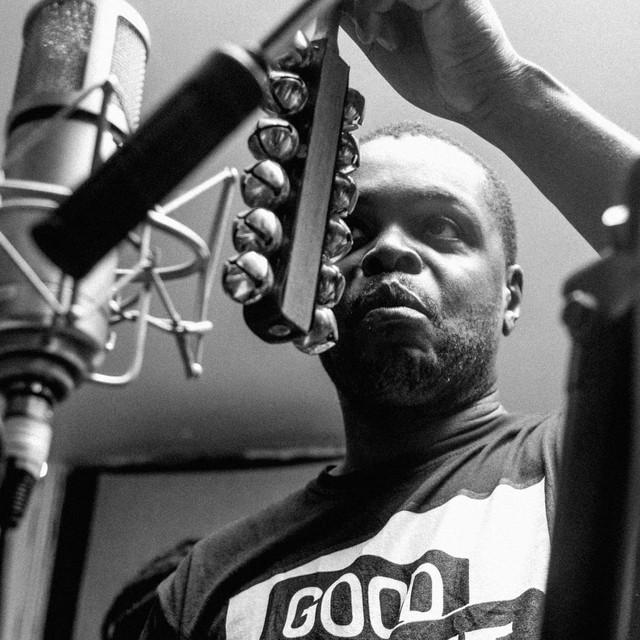
Seiji

Electronic
Other Electronic Music
House
 Viberate Rank: 361737
 Viberate Rank: 361737
 Monthly ListenersFollowers
 Subscribers
 Followers
 Followers
 FansTop Spotify Songs
| Track | 7-Day Streams | |
|---|---|---|
1 | 1.73K | |
2 | 1.48K | |
3 | 185 | |
4 | 110 | |
5 | 89 |
Top YouTube Videos| Video | 7-Day Views | |
|---|---|---|
1 | 6 |
Monthly ListenersFeatured in Playlists| Playlist | Followers | |
|---|---|---|
1 | Emy Winehouse Lin Aquino | 56.81K |
2 |  Dixon's track IDs Spotify | 51.80K |
3 |  Amy Winehouse Complete Amy Winehouse | 38.44K |
4 | NTS LIVE Sabri M. | 20.08K |
5 |  The Best Electronic Tracks of 2000-25 Resident Advisor | 12.35K |
Audience| City | Monthly Listeners | |
|---|---|---|
1 |  | 605 |
2 | | 592 |
3 | | 357 |
4 | | 273 |
5 | | 176 |
See full performance history, audience data, playlist activity, rankings, comparisons, and more in Viberate music analytics. Start with a free trial, then continue with a paid plan.
Seiji’s Spotify BioPaul Dolby, AKA Seiji, is a prominent member of West London's broken beat scene, a loose collective of producers that falls under the tag for a couple of key factors -- complex, sputtery and jittery beats -- without adhering to a strict, specific sound. (Depending on the producer, broken beat tracks can be just as easily classified as drum'n'bass, hip-hop, neo-soul, or modernized jazz-fusion.) It was during the early ‘90s, while in his mid-teens, that Dolby discovered house music and also became fully immersed in the records made by Herbie Hancock, Stevie Wonder, Photek and 4hero. He began producing his own tracks a few years later, and before long he hooked up with Orin Walters (Afronaught) and helped instigate Bugz in the Attic, a stellar production/remix crew that became synonymous with the term broken beat. As Seiji, Dolby has remixed Micatone, P'taah, Joakim Lone Octet, and Mark de Clive-Lowe. In 2002, Bitasweet compiled some of those remixes for Remixes. Since the late ‘90s,… Seiji has also released his own productions for Reinforced and 2000 Black, in addition to lending his cello skills to records made by several of his peers. [See also: Disorient; Opaque; Homecookin'; Psyan.] ~ Andy Kellman
Viberate is a music analytics platform built for A&Rs, artist managers, labels, booking agents, marketers, and artists.
It helps music professionals track artist growth, analyze audience data, monitor playlist activity, compare artists, follow song performance, and identify opportunities across the music market.
Public artist pages provide a free preview of selected artist data. Paid plans provide access to deeper analytics, historical data, charts, comparisons, playlist tools, exports, alerts, reports, and additional professional features.
Yes. Public Viberate artist pages provide selected artist analytics and music data for free.
Viberate also offers a 7-day free trial of the full platform. A credit card is required to start the trial. The trial includes access to the complete product so users can test deeper artist analytics, historical views, playlist insights, comparisons, charts, exports, alerts, and reporting features before choosing a paid plan.
Viberate provides artist analytics across streaming, playlists, social media, video, radio airplay, songs, and audience markets.
Users can analyze Spotify performance, Spotify and Apple Music playlists, YouTube activity, TikTok and Instagram growth, radio spins, song performance, audience locations, demographics, rankings, and overall artist momentum.
Artist profiles also connect to music charts, similar artists, and comparison tools, helping users benchmark performance and evaluate artists in context.
Viberate updates key artist and track data daily.
For followed artists and tracks, selected data is refreshed multiple times per day. This helps teams monitor playlist changes, streaming movement, audience growth, releases, and campaign performance with more current data.
Update frequency can vary depending on the metric and data source.
Yes. Viberate lets users compare up to five artists side by side across streaming, social media, audience, and engagement metrics.
Users can compare fanbase growth, audience demographics, locations, Spotify performance, social metrics, and other artist data over selected time periods.
Artist comparison can be used for A&R scouting, benchmarking, booking decisions, campaign planning, and evaluating artists with similar audiences or market positions.