Secret Shine

Pop
Indie Pop
Shoegaze
 Viberate Rank: 221788
 Viberate Rank: 221788
 Monthly ListenersFollowers
 Subscribers
 Followers
 Followers
 FansTop Spotify Songs
| Track | 7-Day Streams | |
|---|---|---|
1 | 4.87K | |
2 | 1.07K | |
3 | 472 | |
4 | 324 | |
5 | 323 |
Top YouTube VideosMonthly ListenersFeatured in Playlists| Playlist | Followers | |
|---|---|---|
1 |  Dreampop Classics Spotify | 659.70K |
2 |  shoegaze essentials Heloísa | 33.14K |
3 | shoegaze pain carohow | 24.01K |
4 |  distorted shoe Kelsie x The Yellow Button | 21.21K |
5 |  90s shoegaze & soft grunge eva | 11.05K |
Audience| City | Monthly Listeners | |
|---|---|---|
1 |  | 225 |
2 | | 151 |
3 | | 144 |
4 | | 117 |
5 | | 116 |
See full performance history, audience data, playlist activity, rankings, comparisons, and more in Viberate music analytics. Start with a free trial, then continue with a paid plan.
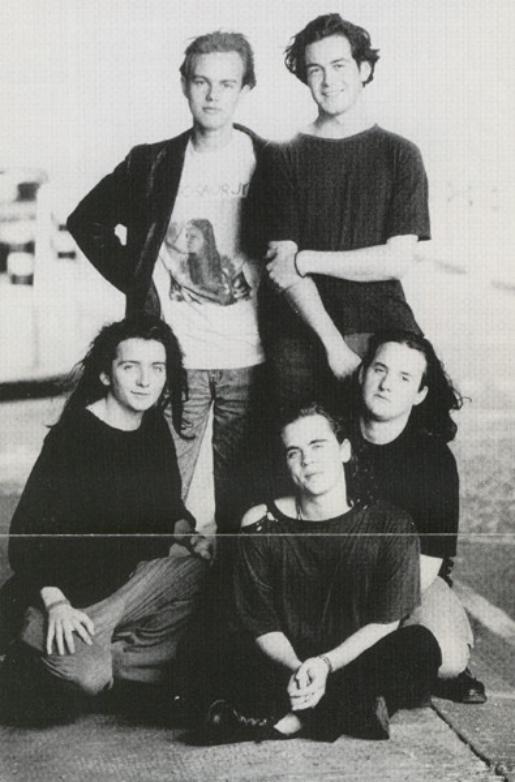
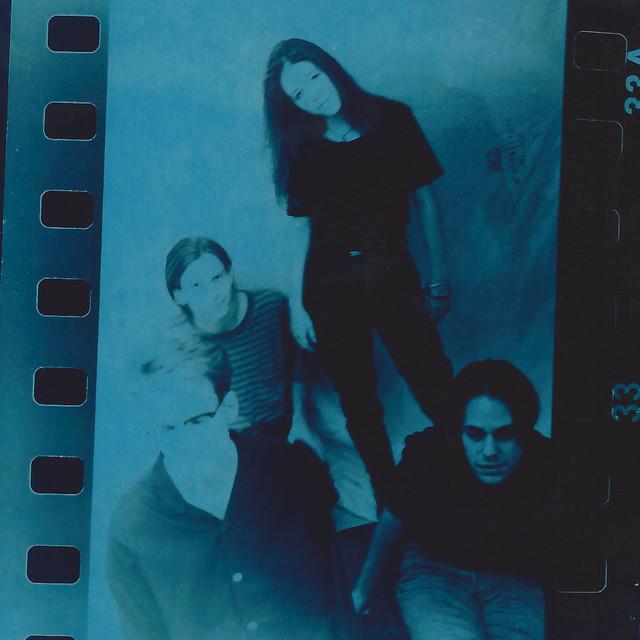
Secret Shine’s Spotify BioBristol, England dream pop outfit Secret Shine were formed in November 1990 by vocalist Jamie Gingell and ex-Panda Pops guitarist Scott Purnell; originally dubbed Amelia's Dream, the duo recorded a three-song demo which they mailed to influential indie label Sarah Records, who agreed to issue a single, "After Years," in the autumn of 1991. Another single, "Unbearable," appeared almost simultaneously on the German imprint A Turntable Friend; by this time the group had rechristened itself Secret Shine, expanding to a quintet with the additions of bassist Paul Vowles, drummer Nick Dyte, and Purnell's brother, guitarist Dean. "Ephemeral" followed on Sarah in the spring of 1992, and after adding vocalist Kathryn Smith, Secret Shine issued the gorgeous "Loveblind," their lone single to crack the U.K. indie Top 20. The band's long-awaited full-length effort, Untouched, finally surfaced in 1993; by the release of the follow-up, the Greater Than God EP, Dyte had assumed Vowles' bass duties,… with Tim Morris tapped as the new drummer. After one last flexidisc release, "Each to the Other," Secret Shine disbanded -- Gingell and the Purnell brothers later reunited in the bands Collide and Loomer.
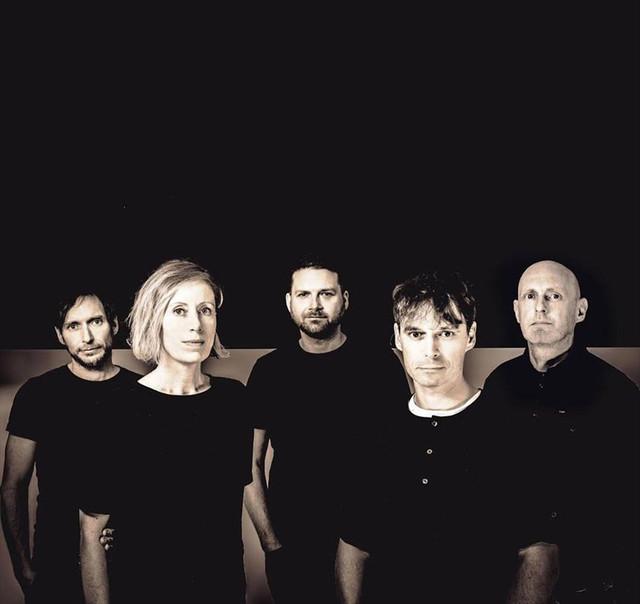
In the mid-2000s, two factors came together that convinced the band to re-form. Firstly, one of the labels responsible for keeping the shoegaze flame burning, Clairecords, issued After Years, a collection of the band's Sarah Records output, Secondly, drummer Tim Morris died. The remaining members got together to record an acoustic album in tribute to their fallen friend, then stuck together afterwards. They released a new album, All of the Stars, for Clairecords in 2008 and followed it up a few years later in 2010 with the self-released The Beginning and the End. After a period of inaction, another label tasked with keeping shoegaze alive, Saint Marie, reissued the Untouched album, and the band signed up to make an album for them as well. There Is Only Now was released in early 2017. ~ Jason Ankeny, Rovi
Viberate is a music analytics platform built for A&Rs, artist managers, labels, booking agents, marketers, and artists.
It helps music professionals track artist growth, analyze audience data, monitor playlist activity, compare artists, follow song performance, and identify opportunities across the music market.
Public artist pages provide a free preview of selected artist data. Paid plans provide access to deeper analytics, historical data, charts, comparisons, playlist tools, exports, alerts, reports, and additional professional features.
Yes. Public Viberate artist pages provide selected artist analytics and music data for free.
Viberate also offers a 7-day free trial of the full platform. A credit card is required to start the trial. The trial includes access to the complete product so users can test deeper artist analytics, historical views, playlist insights, comparisons, charts, exports, alerts, and reporting features before choosing a paid plan.
Viberate provides artist analytics across streaming, playlists, social media, video, radio airplay, songs, and audience markets.
Users can analyze Spotify performance, Spotify and Apple Music playlists, YouTube activity, TikTok and Instagram growth, radio spins, song performance, audience locations, demographics, rankings, and overall artist momentum.
Artist profiles also connect to music charts, similar artists, and comparison tools, helping users benchmark performance and evaluate artists in context.
Viberate updates key artist and track data daily.
For followed artists and tracks, selected data is refreshed multiple times per day. This helps teams monitor playlist changes, streaming movement, audience growth, releases, and campaign performance with more current data.
Update frequency can vary depending on the metric and data source.
Yes. Viberate lets users compare up to five artists side by side across streaming, social media, audience, and engagement metrics.
Users can compare fanbase growth, audience demographics, locations, Spotify performance, social metrics, and other artist data over selected time periods.
Artist comparison can be used for A&R scouting, benchmarking, booking decisions, campaign planning, and evaluating artists with similar audiences or market positions.