Secret Cities

Pop
Indie Pop
Folk
 Viberate Rank: 533641
 Viberate Rank: 533641
 Monthly ListenersFollowers
 Subscribers
 Followers
 Followers
 FansTop Spotify Songs
| Track | 7-Day Streams | |
|---|---|---|
1 | 69 | |
2 | 17 | |
3 | 15 | |
4 | 13 | |
5 | 10 |
Top YouTube VideosMonthly ListenersFeatured in Playlists| Playlist | Followers | |
|---|---|---|
1 | Dermot o'Leary Tim Casey | 4.89K |
2 | Indie Land Joaquin Suazo | 3.50K |
3 |  Chillwave & Dreampop vol. 1 hamed ahmadi | 2.24K |
4 |  BIRP! 2009 - 2019 BIRP! | 2.20K |
5 |  SUNDAY Maarten Post | 2.06K |
Audience| City | Monthly Listeners | |
|---|---|---|
1 | | 10 |
2 |  | 8 |
3 | | 8 |
4 | | 8 |
5 | | 8 |
See full performance history, audience data, playlist activity, rankings, comparisons, and more in Viberate music analytics. Start with a free trial, then continue with a paid plan.
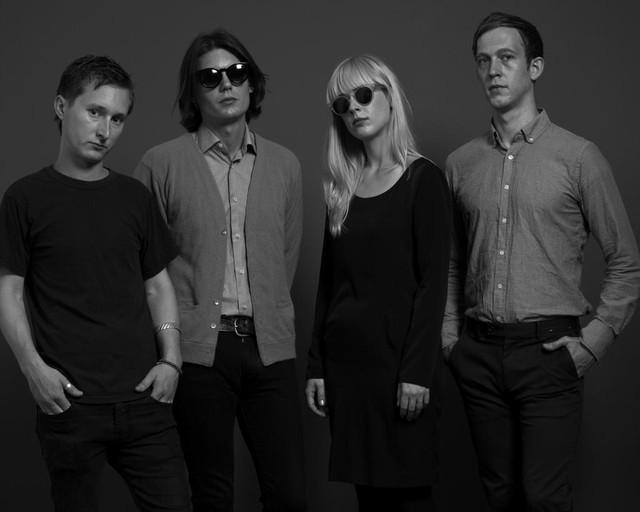
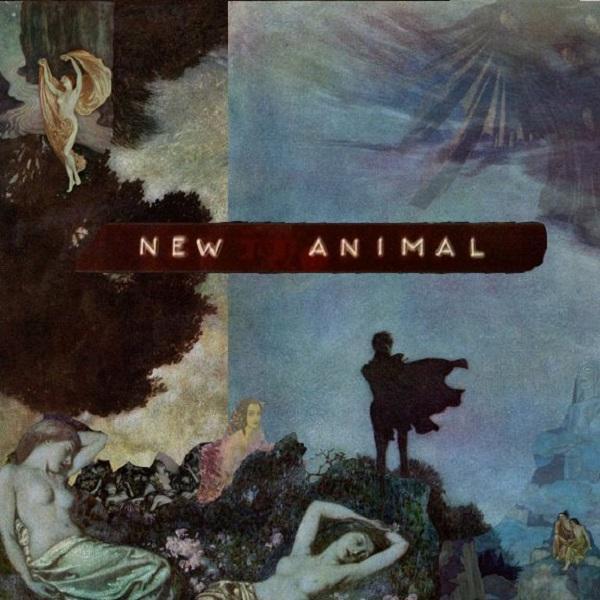
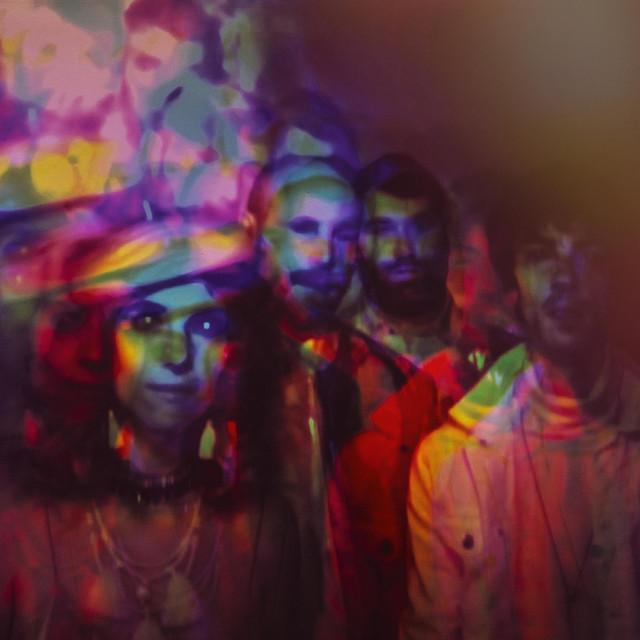
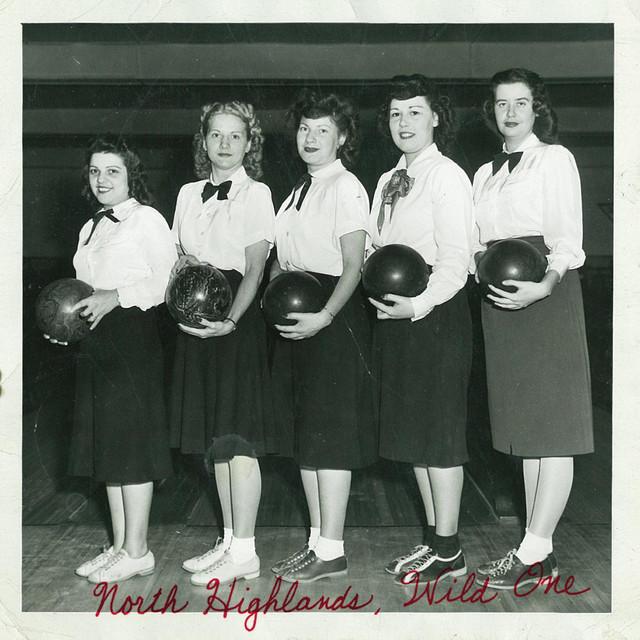
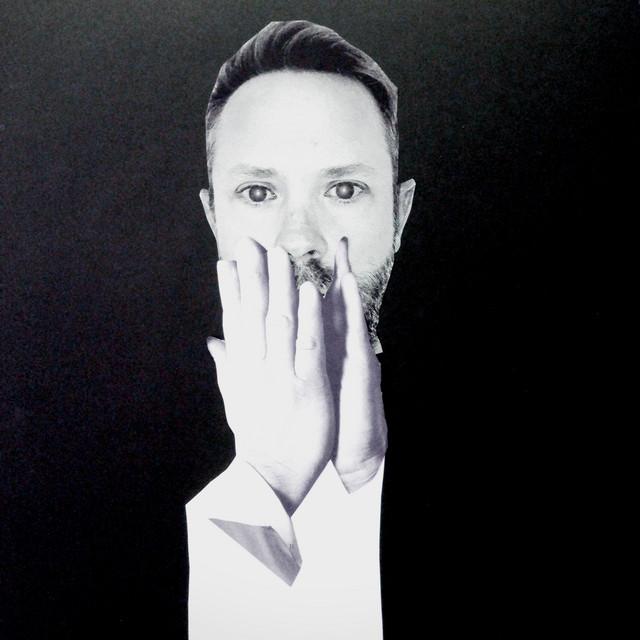
Secret Cities’ Spotify BioFargo, North Dakota trio Secret Cities construct sweetly haunting, lo-fi chamber pop melodies. After meeting in band camp, M.J. Parker and Charlie Gokey started making home-recorded cassettes under the name White Foliage when they were 15 years old, collaborating by mail from their separate sides of North Dakota. Three years in, after building up a small collection of tapes, a friend put them in touch with the people at Baltimore's Fall Records, who released Secret Cities' first album, Zurich (under the White Foliage moniker), in 2005. Drummer Alex Abnos hopped aboard for a subsequent Midwest tour, and the trio spent the next few years tweaking their sound. After signing with Western Vinyl in 2010, the group released Pink Graffiti as Secret Cities, a psychedelic pop record influenced by Brian Wilson. It was quickly followed in 2011 by Strange Hearts, which further explored their mix of classic '60s pop and lo-fi aesthetics. Several singles appeared over the coming two years before the… release of 2014's Walk Me Home LP. ~ Jason Lymangrover, Rovi
Viberate is a music analytics platform built for A&Rs, artist managers, labels, booking agents, marketers, and artists.
It helps music professionals track artist growth, analyze audience data, monitor playlist activity, compare artists, follow song performance, and identify opportunities across the music market.
Public artist pages provide a free preview of selected artist data. Paid plans provide access to deeper analytics, historical data, charts, comparisons, playlist tools, exports, alerts, reports, and additional professional features.
Yes. Public Viberate artist pages provide selected artist analytics and music data for free.
Viberate also offers a 7-day free trial of the full platform. A credit card is required to start the trial. The trial includes access to the complete product so users can test deeper artist analytics, historical views, playlist insights, comparisons, charts, exports, alerts, and reporting features before choosing a paid plan.
Viberate provides artist analytics across streaming, playlists, social media, video, radio airplay, songs, and audience markets.
Users can analyze Spotify performance, Spotify and Apple Music playlists, YouTube activity, TikTok and Instagram growth, radio spins, song performance, audience locations, demographics, rankings, and overall artist momentum.
Artist profiles also connect to music charts, similar artists, and comparison tools, helping users benchmark performance and evaluate artists in context.
Viberate updates key artist and track data daily.
For followed artists and tracks, selected data is refreshed multiple times per day. This helps teams monitor playlist changes, streaming movement, audience growth, releases, and campaign performance with more current data.
Update frequency can vary depending on the metric and data source.
Yes. Viberate lets users compare up to five artists side by side across streaming, social media, audience, and engagement metrics.
Users can compare fanbase growth, audience demographics, locations, Spotify performance, social metrics, and other artist data over selected time periods.
Artist comparison can be used for A&R scouting, benchmarking, booking decisions, campaign planning, and evaluating artists with similar audiences or market positions.