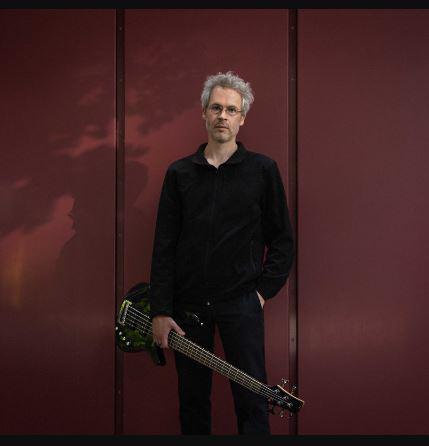
Sebastian Gramss

Jazz
Avant-garde Jazz
Free Jazz
 Viberate Rank: 507478
 Viberate Rank: 507478
 Monthly ListenersFollowers
 Subscribers
 Followers
 Followers
 FansTop Spotify Songs
| Track | 7-Day Streams | |
|---|---|---|
1 | 39 | |
2 | 11 | |
3 | 9 | |
4 | 9 | |
5 | 7 |
Top YouTube VideosMonthly ListenersFeatured in Playlists| Playlist | Followers | |
|---|---|---|
1 |  Hello Everybody my name is markiplier and welcome to Five nights at freddies an indie horror Sota | 7.30K |
2 |  Contrabajo Solo Ana Cartagena | 1.07K |
3 |  The Sound of Free Improvisation The Sounds of Spotify | 1.05K |
4 |  The Sound of Tzadik The Sounds of Spotify | 1.01K |
Audience| City | Monthly Listeners | |
|---|---|---|
1 |  | 5 |
2 | | 4 |
3 |  | 4 |
4 |  | 4 |
5 | | 3 |
See full performance history, audience data, playlist activity, rankings, comparisons, and more in Viberate music analytics. Start with a free trial, then continue with a paid plan.
Sebastian Gramss’ Spotify BioSebastian Gramss is a German double bass virtuoso and composer of jazz and contemporary music. In 2013 and 2018 he received the ECHO Jazz award.
Gramss released more than 30 CDs under his name. He’s been an inspiring and innovative presence in the world of jazz with his band UNDERKARL for almost 30 years, and recently with his trios SLOWFOX (with Hayden Chisholm & Philip Zoubek) and FOSSILE 3 (with Rudi Mahall & Etienne Nillesen), and STATES OF PLAY ensemble.
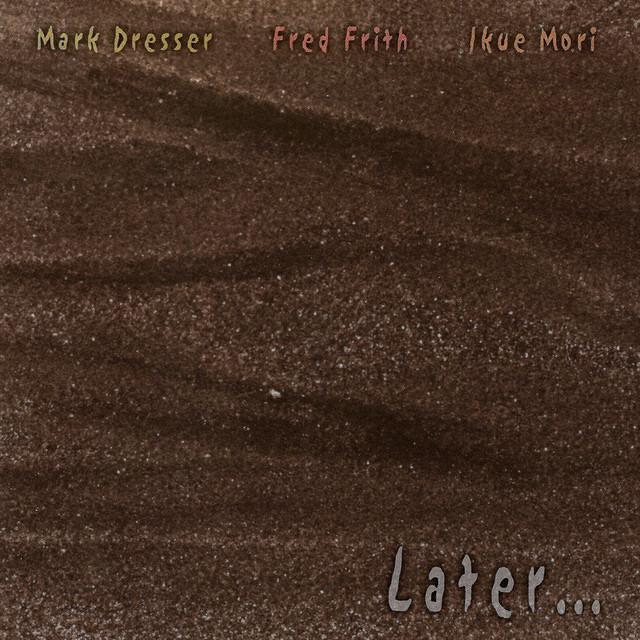
His bass activities include his solo works (Atopie), a long term bass duo series (started with Stefano Scodanibbio in 2008, and continued with Barre Phillips, Tetsu Saitoh, Mark Dresser, Barry Guy, William Parker and Joëlle Lénadre in over 50 concerts + recordings), quartet BASZ and the international double bass orchestra BASSMASSE with 13 (and up to 50) bass players.
Gramss has composed for radio drama, movies and theatre and – among others – for choreographer Pina Bausch, and recently with/for the Ensemble Modern.
He teaches at the… Cologne University of Music and University of Osnabrück, and gives master classes around the world. Extensive touring with his music has led him to venues and festivals all over the world, including Japan, India, Latin America, Russia, USA, Africa, and Australia.
International cooperations: Marilyn Crispell, Fred Frith, Sidsel Endresen, A. v. Schlippenbach, Tom Cora, Ensemble Modern, N. Wogram, E. Sharp, P. Kowald, Z. Parkins, Brötzmann, J. Tilbury, Conny Bauer…
Viberate is a music analytics platform built for A&Rs, artist managers, labels, booking agents, marketers, and artists.
It helps music professionals track artist growth, analyze audience data, monitor playlist activity, compare artists, follow song performance, and identify opportunities across the music market.
Public artist pages provide a free preview of selected artist data. Paid plans provide access to deeper analytics, historical data, charts, comparisons, playlist tools, exports, alerts, reports, and additional professional features.
Yes. Public Viberate artist pages provide selected artist analytics and music data for free.
Viberate also offers a 7-day free trial of the full platform. A credit card is required to start the trial. The trial includes access to the complete product so users can test deeper artist analytics, historical views, playlist insights, comparisons, charts, exports, alerts, and reporting features before choosing a paid plan.
Viberate provides artist analytics across streaming, playlists, social media, video, radio airplay, songs, and audience markets.
Users can analyze Spotify performance, Spotify and Apple Music playlists, YouTube activity, TikTok and Instagram growth, radio spins, song performance, audience locations, demographics, rankings, and overall artist momentum.
Artist profiles also connect to music charts, similar artists, and comparison tools, helping users benchmark performance and evaluate artists in context.
Viberate updates key artist and track data daily.
For followed artists and tracks, selected data is refreshed multiple times per day. This helps teams monitor playlist changes, streaming movement, audience growth, releases, and campaign performance with more current data.
Update frequency can vary depending on the metric and data source.
Yes. Viberate lets users compare up to five artists side by side across streaming, social media, audience, and engagement metrics.
Users can compare fanbase growth, audience demographics, locations, Spotify performance, social metrics, and other artist data over selected time periods.
Artist comparison can be used for A&R scouting, benchmarking, booking decisions, campaign planning, and evaluating artists with similar audiences or market positions.