Seba Dorso

Pop
Latin Pop
Other Latin Music
 Viberate Rank: 648536
 Viberate Rank: 648536
 Monthly ListenersFollowers
 Subscribers
 Followers
 Followers
 FansTop Spotify Songs
| Track | 7-Day Streams | |
|---|---|---|
1 | 7 | |
2 | 4 | |
3 | 4 | |
4 | 3 | |
5 | 2 |
Top YouTube VideosMonthly ListenersFeatured in PlaylistsAudience| City | Monthly Listeners | |
|---|---|---|
1 | | 16 |
2 | | 3 |
3 | | 3 |
See full performance history, audience data, playlist activity, rankings, comparisons, and more in Viberate music analytics. Start with a free trial, then continue with a paid plan.
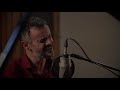
Seba Dorso’s Spotify BioSeba Dorso es compositor, autor e intérprete de sus canciones. Su obra se nutre de la música argentina y sudamericana en general, y en sus canciones se perciben influencias diversas como Gustavo Leguizamón, Chico Buarque, Luis Alberto Spinetta, Horacio Salgán, Jaime Roos, Fito Paez, entre muchísimos otros.
Luego de integrar distintas formaciones e incursionar en diversos géneros, entre 2007 y 2018 compartió un proyecto con Marcos Monk en el que compusieron e interpretaron sus propias canciones, que se inscriben en la nueva canción argentina. Han compartido escenario con Caetano Veloso, Gilberto Gil, Raúl Carnota, Carlos Aguirre, Eduardo Spinassi, Carlos Moscardini, Franco Luciani, Lilián Saba, Marcelo Chiodi, Ramiro Gallo, Cuartoelemento, Analía Rego, entre otros. Editaron dos discos: “Los tiempos de empezar” (2011), y "Un segundo" (2014), los han presentado en diversos escenarios de Buenos Aires y el interior del país. En 2016 realizaron una gira por España, Francia, Alemania, Suiza y… Bélgica. En 2014 el dúo "Seba Dorso y Marcos Monk" fue ganador del concurso "Música en los Cafés Notables de Buenos Aires". En 2013 fueron seleccionados finalistas de la "Bienal de Arte Joven de Buenos Aires"
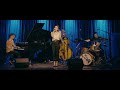
En 2018 comenzó su carrera solista, y desde entonces se presenta interpretando su música en diversos escenarios de Buenos Aires. Desde 2020 se presenta en la formación actual de trío, junto a Diego Rodríguez en contrabajo y Agustín Pietribiasi en percusión.
Viberate is a music analytics platform built for A&Rs, artist managers, labels, booking agents, marketers, and artists.
It helps music professionals track artist growth, analyze audience data, monitor playlist activity, compare artists, follow song performance, and identify opportunities across the music market.
Public artist pages provide a free preview of selected artist data. Paid plans provide access to deeper analytics, historical data, charts, comparisons, playlist tools, exports, alerts, reports, and additional professional features.
Yes. Public Viberate artist pages provide selected artist analytics and music data for free.
Viberate also offers a 7-day free trial of the full platform. A credit card is required to start the trial. The trial includes access to the complete product so users can test deeper artist analytics, historical views, playlist insights, comparisons, charts, exports, alerts, and reporting features before choosing a paid plan.
Viberate provides artist analytics across streaming, playlists, social media, video, radio airplay, songs, and audience markets.
Users can analyze Spotify performance, Spotify and Apple Music playlists, YouTube activity, TikTok and Instagram growth, radio spins, song performance, audience locations, demographics, rankings, and overall artist momentum.
Artist profiles also connect to music charts, similar artists, and comparison tools, helping users benchmark performance and evaluate artists in context.
Viberate updates key artist and track data daily.
For followed artists and tracks, selected data is refreshed multiple times per day. This helps teams monitor playlist changes, streaming movement, audience growth, releases, and campaign performance with more current data.
Update frequency can vary depending on the metric and data source.
Yes. Viberate lets users compare up to five artists side by side across streaming, social media, audience, and engagement metrics.
Users can compare fanbase growth, audience demographics, locations, Spotify performance, social metrics, and other artist data over selected time periods.
Artist comparison can be used for A&R scouting, benchmarking, booking decisions, campaign planning, and evaluating artists with similar audiences or market positions.