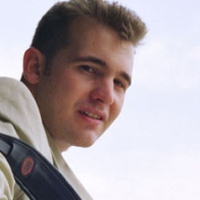
Sean Costello

Blues
Blues Rock
Contemporary Blues
 Viberate Rank: 221240
 Viberate Rank: 221240
 Monthly ListenersFollowers
 Subscribers
 Followers
 Followers
 FansTop Spotify Songs
| Track | 7-Day Streams | |
|---|---|---|
1 | 23.45K | |
2 | 661 | |
3 | 467 | |
4 | 292 | |
5 | 268 |
Top YouTube VideosMonthly ListenersFeatured in Playlists| Playlist | Followers | |
|---|---|---|
1 |  Blues & Whiskey 🥃 Whiskey blues music 🎸 Whisky Blues - Best of Slow Blues/Rock 🍥 | 333.28K |
2 |  Whiskey Blues Kauã | 87.47K |
3 |  Whiskey Blues 🥃 Тhe Original | The Best Slow Blues / Blues Rock Don's Tunes | 85.92K |
4 |  Don's Tunes | Blues & Jazz Playlist | Official Don's Tunes | 50.96K |
5 | Slow Blues The Blues Room | 28.09K |
Audience| City | Monthly Listeners | |
|---|---|---|
1 |  | 1.68K |
2 |  | 832 |
3 |  | 606 |
4 |  | 566 |
5 | | 564 |
See full performance history, audience data, playlist activity, rankings, comparisons, and more in Viberate music analytics. Start with a free trial, then continue with a paid plan.
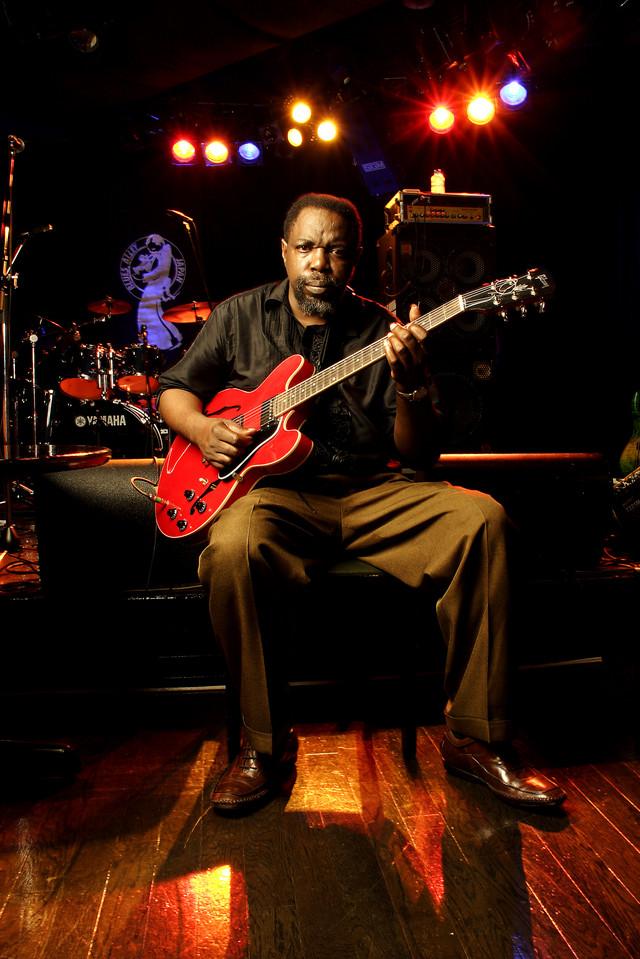
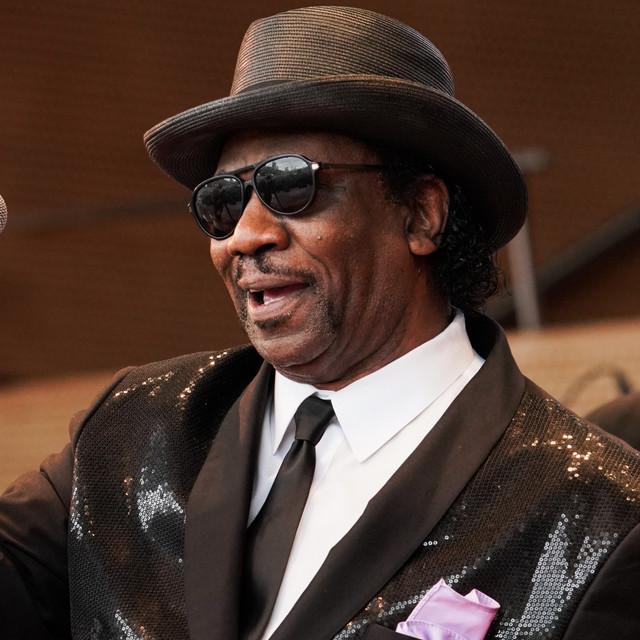
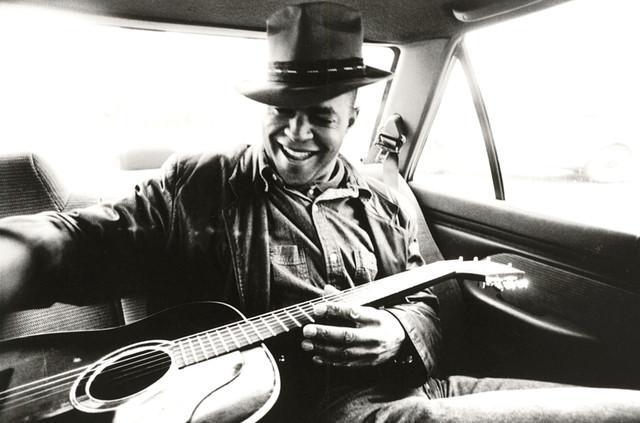
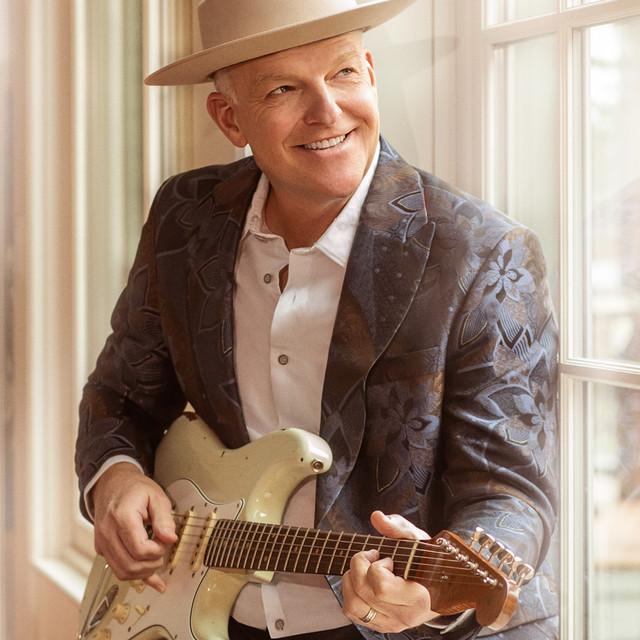
Sean Costello’s Spotify BioTeen blues phenom Sean Costello was born and raised in Atlanta, receiving his first guitar for his ninth birthday. A primarily self-taught player, he initially gravitated toward hard rock but soon discovered Stevie Ray Vaughan, moving on from there to Howlin' Wolf; under the wing of local bluesman Felix Reyes, a 14-year-old Costello won the Beale Street Blues Society's talent award in 1994. Another contestant was Susan Tedeschi, and soon Costello began touring as her lead guitarist and stayed with her band for a couple years. He also provided guitar on Tedeschi's 1998 album, Just Won't Burn. Soon after leaving Tedeschi's band, Costello assembled backing outfit the Jivebombers -- bassist Carl Shankle, keyboardist and harpist Paul Linden, and drummer Terrence Prather -- and issued his debut album, Call the Cops, in 1996. After touring extensively and revamping his band by replacing Shankle with Melvin Zachary on bass and adding keyboardist Matt Wauchope, Costello released Cuttin' In in… early 2000. The album was a success in the blues community, gaining him a W.C. Handy Award nomination for Best New Artist Debut. In 2001 Costello released his third album, Moanin' for Molasses, and further cemented his reputation as one of the best young blues guitarists on the scene. The self-titled Sean Costello was released on Artemis Records in 2004. Unfortunately, Artemis folded a few months later and the album -- intended as Costello's breakthrough -- never received the publicity it deserved. It would be four years before Costello would release another album with 2008's We Can Get Together. Sadly, on April 15, 2008, just two months after the release of that album and a day before his 29th birthday, Costello was found dead in a local Atlanta hotel room. A subsequent toxicology report found the cause of death to be a mixture of drugs including heroin. ~ Jason Ankeny, Rovi
Viberate is a music analytics platform built for A&Rs, artist managers, labels, booking agents, marketers, and artists.
It helps music professionals track artist growth, analyze audience data, monitor playlist activity, compare artists, follow song performance, and identify opportunities across the music market.
Public artist pages provide a free preview of selected artist data. Paid plans provide access to deeper analytics, historical data, charts, comparisons, playlist tools, exports, alerts, reports, and additional professional features.
Yes. Public Viberate artist pages provide selected artist analytics and music data for free.
Viberate also offers a 7-day free trial of the full platform. A credit card is required to start the trial. The trial includes access to the complete product so users can test deeper artist analytics, historical views, playlist insights, comparisons, charts, exports, alerts, and reporting features before choosing a paid plan.
Viberate provides artist analytics across streaming, playlists, social media, video, radio airplay, songs, and audience markets.
Users can analyze Spotify performance, Spotify and Apple Music playlists, YouTube activity, TikTok and Instagram growth, radio spins, song performance, audience locations, demographics, rankings, and overall artist momentum.
Artist profiles also connect to music charts, similar artists, and comparison tools, helping users benchmark performance and evaluate artists in context.
Viberate updates key artist and track data daily.
For followed artists and tracks, selected data is refreshed multiple times per day. This helps teams monitor playlist changes, streaming movement, audience growth, releases, and campaign performance with more current data.
Update frequency can vary depending on the metric and data source.
Yes. Viberate lets users compare up to five artists side by side across streaming, social media, audience, and engagement metrics.
Users can compare fanbase growth, audience demographics, locations, Spotify performance, social metrics, and other artist data over selected time periods.
Artist comparison can be used for A&R scouting, benchmarking, booking decisions, campaign planning, and evaluating artists with similar audiences or market positions.