Screen Door Porch

Country
Americana/Alt Country
Blues Rock
 Viberate Rank: 590530
 Viberate Rank: 590530
 Monthly ListenersFollowers
 Subscribers
 Followers
 Followers
 FansTop Spotify Songs
| Track | 7-Day Streams | |
|---|---|---|
1 | 8 | |
2 | 5 | |
3 | 5 | |
4 | 4 | |
5 | 3 |
Top YouTube VideosMonthly ListenersFeatured in PlaylistsAudience| City | Monthly Listeners | |
|---|---|---|
1 | | 5 |
2 | | 4 |
3 | | 4 |
See full performance history, audience data, playlist activity, rankings, comparisons, and more in Viberate music analytics. Start with a free trial, then continue with a paid plan.
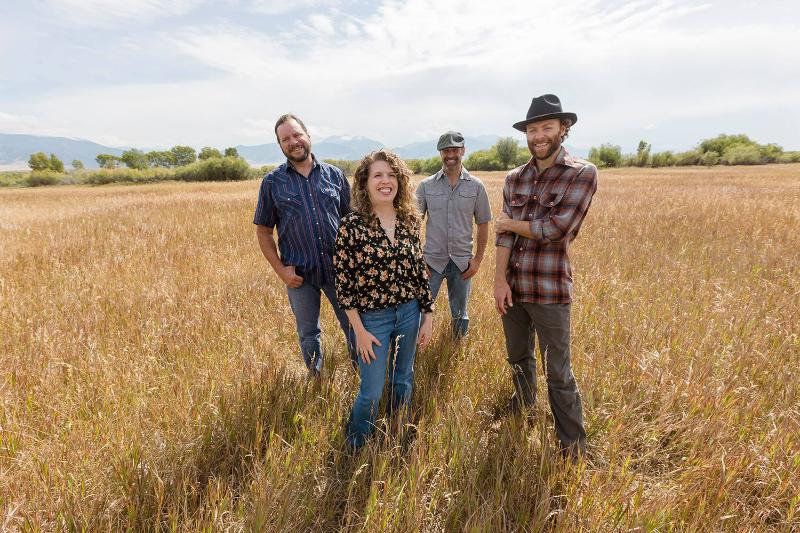
Screen Door Porch’s Spotify BioEvery setting has a resonance, an energy that vibrates through the streets and whistles in the trees. For Screen Door Porch—the musical project of Seadar Rose and Aaron Davis—the creative groundswell of “grooving electrified Porch music” began in the South before taking shape in Austin and Wyoming. Upon listening to their eponymous debut album in 2010, The Austin Chronicle heard these reverberations, noting that the duo “lends an easy Western flair to their more prominent native influences of North Carolina and Kentucky, a combination that goes down as smoothly as top-shelf bourbon.”
The duo stretched into a six-piece ensemble before settling into a nationally touring act that split time between listening rooms as a duo and festival sets as a quartet with bassist David Bundy and drummer/harmony vocalist Andy Peterson. Rose and Davis are a songwriting pair that evoke rustic vocal harmony with “a sort of Lennon/McCartney arrangement and get it right every time: heartfelt yes, earthy… certainly, but never languid” (Americana UK).
Over the span of four studio albums and subsequent tours—Screen Door Porch (2010), The Fate & The Fruit (2012), Modern Settler (2015), and Pay it Forward (2017)—the band became a household name in the region while reaching an international audience, performing at SXSW, Treefort Music Fest, Targhee Bluegrass Fest, Magic City Blues Fest, and opening for Jason Isbell & the 400 Unit, Buddy Guy, Sam Bush, Steve Earle, Grace Potter, and Hayes Carll.
Viberate is a music analytics platform built for A&Rs, artist managers, labels, booking agents, marketers, and artists.
It helps music professionals track artist growth, analyze audience data, monitor playlist activity, compare artists, follow song performance, and identify opportunities across the music market.
Public artist pages provide a free preview of selected artist data. Paid plans provide access to deeper analytics, historical data, charts, comparisons, playlist tools, exports, alerts, reports, and additional professional features.
Yes. Public Viberate artist pages provide selected artist analytics and music data for free.
Viberate also offers a 7-day free trial of the full platform. A credit card is required to start the trial. The trial includes access to the complete product so users can test deeper artist analytics, historical views, playlist insights, comparisons, charts, exports, alerts, and reporting features before choosing a paid plan.
Viberate provides artist analytics across streaming, playlists, social media, video, radio airplay, songs, and audience markets.
Users can analyze Spotify performance, Spotify and Apple Music playlists, YouTube activity, TikTok and Instagram growth, radio spins, song performance, audience locations, demographics, rankings, and overall artist momentum.
Artist profiles also connect to music charts, similar artists, and comparison tools, helping users benchmark performance and evaluate artists in context.
Viberate updates key artist and track data daily.
For followed artists and tracks, selected data is refreshed multiple times per day. This helps teams monitor playlist changes, streaming movement, audience growth, releases, and campaign performance with more current data.
Update frequency can vary depending on the metric and data source.
Yes. Viberate lets users compare up to five artists side by side across streaming, social media, audience, and engagement metrics.
Users can compare fanbase growth, audience demographics, locations, Spotify performance, social metrics, and other artist data over selected time periods.
Artist comparison can be used for A&R scouting, benchmarking, booking decisions, campaign planning, and evaluating artists with similar audiences or market positions.