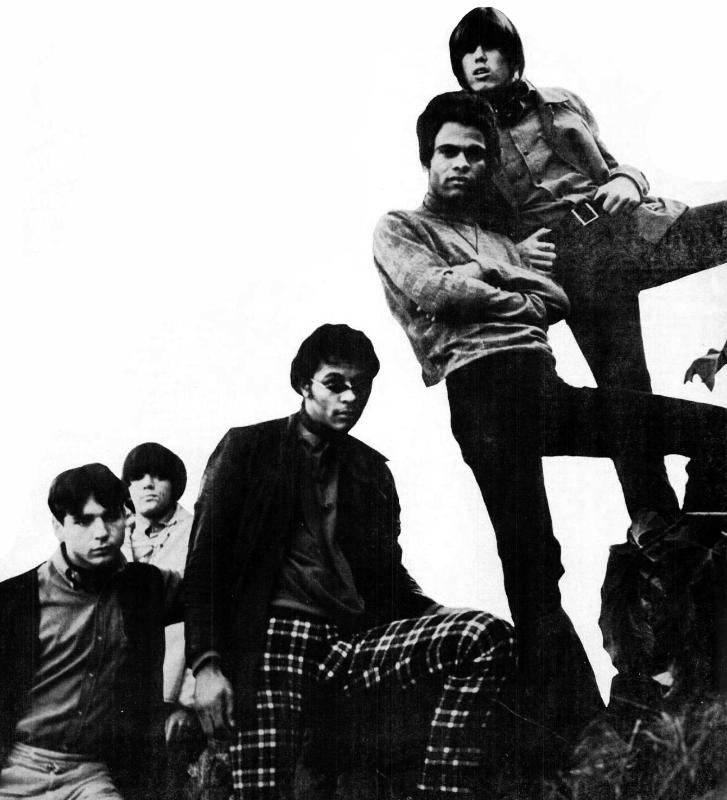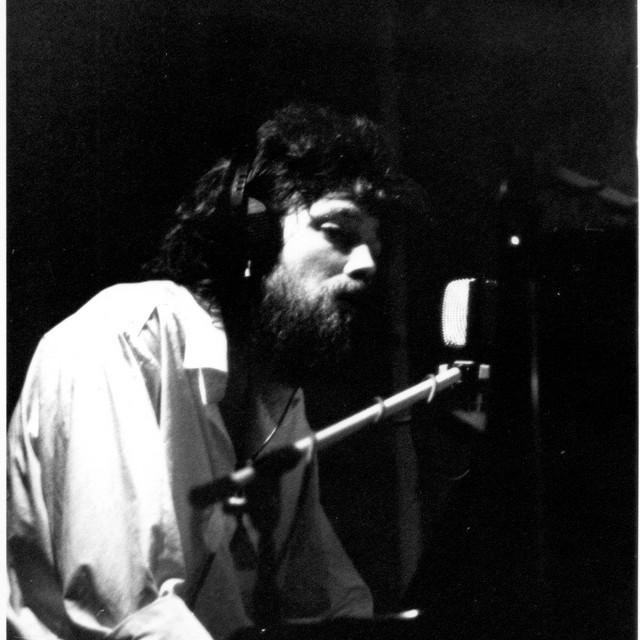
Scott Walker

Pop
Mainstream Pop
Progressive Rock
Alternative Rock
 Viberate Rank: 66145
 Viberate Rank: 66145
 Monthly ListenersFollowers
 Subscribers
 Followers
 Followers
 FansTop Spotify Songs
| Track | 7-Day Streams | |
|---|---|---|
1 | 12.72K | |
2 | 6.79K | |
3 | 6.73K | |
4 | 6.42K | |
5 | 5.53K |
Top YouTube VideosMonthly ListenersFeatured in Playlists| Playlist | Followers | |
|---|---|---|
1 |  Dark & Gothic Spotify | 976.09K |
2 |  Soft 60s Spotify | 663.53K |
3 |  Fidi & Bumsi Spotify | 353.24K |
4 |  Wes Anderson Songs Le Marchand de Sable | 102.91K |
5 |  Once Upon A Time In...Hollywood Radio Josh Gardner | 100.16K |
Audience| City | Monthly Listeners | |
|---|---|---|
1 |  | 4.91K |
2 | | 1.74K |
3 | | 1.67K |
4 | | 1.65K |
5 |  | 1.61K |
See full performance history, audience data, playlist activity, rankings, comparisons, and more in Viberate music analytics. Start with a free trial, then continue with a paid plan.
Scott Walker’s Spotify BioNoel Scott Engel, known professionally as Scott Walker (January 9, 1943–March 2019).
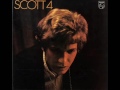
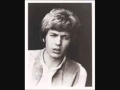
Born in Hamilton, Ohio, he and his mother relocated to Hollywood in the 1950s where he began his career as a professional singer, actor, and teen idol, releasing early rock records under the name Scott or “Scotty” Engel. By the 1960s, he transitioned to session work, playing on surf and R&B records. While America focused on The Beatles, Engel developed a deep interest in Jazz and avant-garde cinema. In 1964, he adopted the stage name Scott Walker and formed The Walker Brothers . The group moved to London, achieving immediate mega-stardom with Top 10 hits . After the group's hiatus in 1967, Scott released a string of celebrated solo albums (Scott 1, 2, 3, and the critically acclaimed Scott 4 in 1969). The Walker Brother final reunion LP, 1978's Nite Flights, featured four groundbreaking tracks written and produced by Scott. This work introduced him to a new audience aligned with the “art pop” and “post… punk” movements, a sound further refined on the 1984 classic Climate of Hunter. Following another quiet decade, Walker’s legendary status grew. He emerged with an experimental trilogy: Tilt (1995), The Drift (2006), and Bish Bosch (2012). He also immersed himself in film, composing scores for Pola X, Childhood of a Leader, and Vox Lux. His final LP, Soused, was a 2014 collaboration with drone metal band sunn O))). Scott Walker unexpectedly passed away in London in March 2019 at the age of 76.
Viberate is a music analytics platform built for A&Rs, artist managers, labels, booking agents, marketers, and artists.
It helps music professionals track artist growth, analyze audience data, monitor playlist activity, compare artists, follow song performance, and identify opportunities across the music market.
Public artist pages provide a free preview of selected artist data. Paid plans provide access to deeper analytics, historical data, charts, comparisons, playlist tools, exports, alerts, reports, and additional professional features.
Yes. Public Viberate artist pages provide selected artist analytics and music data for free.
Viberate also offers a 7-day free trial of the full platform. A credit card is required to start the trial. The trial includes access to the complete product so users can test deeper artist analytics, historical views, playlist insights, comparisons, charts, exports, alerts, and reporting features before choosing a paid plan.
Viberate provides artist analytics across streaming, playlists, social media, video, radio airplay, songs, and audience markets.
Users can analyze Spotify performance, Spotify and Apple Music playlists, YouTube activity, TikTok and Instagram growth, radio spins, song performance, audience locations, demographics, rankings, and overall artist momentum.
Artist profiles also connect to music charts, similar artists, and comparison tools, helping users benchmark performance and evaluate artists in context.
Viberate updates key artist and track data daily.
For followed artists and tracks, selected data is refreshed multiple times per day. This helps teams monitor playlist changes, streaming movement, audience growth, releases, and campaign performance with more current data.
Update frequency can vary depending on the metric and data source.
Yes. Viberate lets users compare up to five artists side by side across streaming, social media, audience, and engagement metrics.
Users can compare fanbase growth, audience demographics, locations, Spotify performance, social metrics, and other artist data over selected time periods.
Artist comparison can be used for A&R scouting, benchmarking, booking decisions, campaign planning, and evaluating artists with similar audiences or market positions.