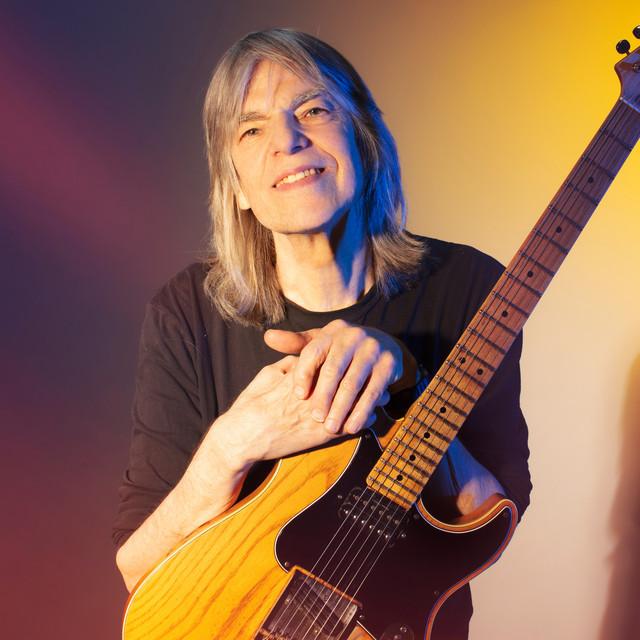
Scott Henderson

Blues
Blues Rock
Jazz Fusion
 Viberate Rank: 82010
 Viberate Rank: 82010
 Monthly ListenersFollowers
 Subscribers
 Followers
 Followers
 FansTop Spotify Songs
| Track | 7-Day Streams | |
|---|---|---|
1 | 6.55K | |
2 | 3.54K | |
3 | 2.49K | |
4 | 2.23K | |
5 | 2.05K |
Top YouTube VideosMonthly ListenersFeatured in Playlists| Playlist | Followers | |
|---|---|---|
1 |  Fusion Fest Spotify | 220.08K |
2 |  Bottoms Up Spotify | 168.33K |
3 |  String Theory Spotify | 166.86K |
4 |  Jazz Guitar Classics Spotify | 135.22K |
5 |  This Is Chick Corea Spotify | 60.98K |
Audience| City | Monthly Listeners | |
|---|---|---|
1 |  | 849 |
2 |  | 552 |
3 |  | 419 |
4 |  | 328 |
5 | | 323 |
See full performance history, audience data, playlist activity, rankings, comparisons, and more in Viberate music analytics. Start with a free trial, then continue with a paid plan.
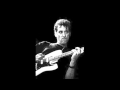
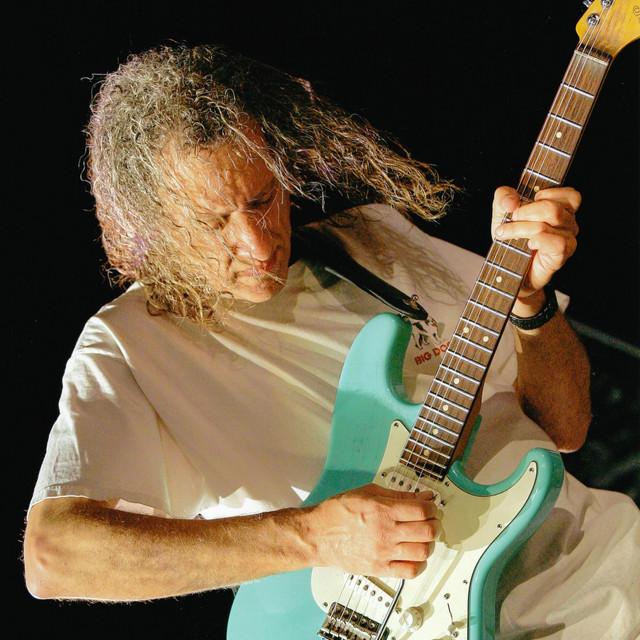
Scott Henderson’s Spotify BioA prolific fusion guitarist, Scott Henderson is a highly regarded virtuoso who initially emerged in the 1980s with his group Tribal Tech. With their intricate, genre-bending sound, Henderson and Tribal Tech became jazz-rock favorites, issuing albums like 1985's Spears and 1999's Thick. On his own, the guitarist has played with Jean-Luc Ponty, Joe Zawinul, and Jeff Berlin, and continued to explore his love of blues, rock, and funk on solo dates like 1997's Tore Down House with Thelma Houston and 2015's Vibe Station. Since 2019, he has led a trio with drummer Archibald Ligonnière and bassist Romain Labaye, releasing both People Mover and Karnevel!.
Born in West Palm Beach, Florida in 1954, Henderson started playing guitar in his youth, inspired by players like Jimi Hendrix, Jeff Beck, Ritchie Blackmore, and Jimmy Page. However, he soon gravitated toward jazz. After high school, he attended Florida Atlantic University before moving to Los Angeles where he studied with Joe Diorio at the… Guitar Institute of Technology. There, he further honed his jazz skills, drawing upon the influence of artists like John Mclaughlin and Mahavishnu Orchestra, Weather Report, and the driving '60s work of Miles Davis and John Coltrane. Though he played in various rock and covers bands, by the mid-'80s he was starting to grab the attention of the jazz world, working with violinist Jean-Luc Ponty and bassist Jeff Berlin. It was also during this period that he co-founded the progressive fusion band Tribal Tech with bassist Gary Willis, issuing 1985's Spears, 1987's Dr. Hee, and 1988's Nomad.
Aside from Tribal Tech, Henderson continued to work as a sideman, playing with Chick Corea's original Elektric Band lineup, and as a member of Weather Report keyboardist Joe Zawinul's Syndicate. In 1991, Henderson was back with Tribal Tech for their self-titled third album. That same year, he was voted top jazz guitarist in Guitar World magazine. Two more Tribal Tech albums followed with Illicit in 1992 and Reality Check in 1994.
Henderson made his solo debut with 1994's Dog Party, an album that found him exploring his love of blues, rock, and funk. Two years later, Tore Down House followed. He then joined bassist Victor Wooten and drummer Steve Smith for the dynamic trio outing Vital Tech Tones (Vital Tech Tones 2 arrived in 2000). He then returned to his work with Tribal Tech for 1999's Thick and 2000's Rocket Science, after which the group disbanded. In 2002, Henderson issued his first post-Tribal Tech solo album with the bluesy Well to the Bone, featuring drummer Kirk Covington and bassist John Humphrey, as well as contributions from vocalists Wade Durham and Thelma Houston.
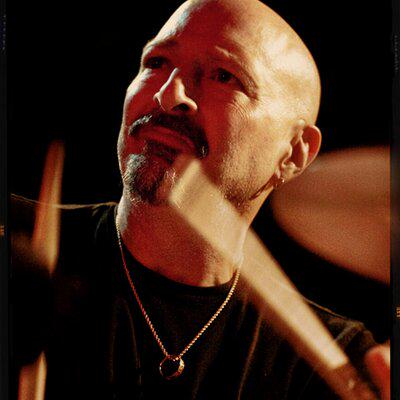
In 2012, the guitarist joined longtime associates bassist Jeff Berlin and drummer Dennis Chambers on the trio album HBC, for which they also toured. That same year, he reunited with Tribal Tech for X. The expansive Vibe Station followed in 2015 and found the guitarist playing with bassist Travis Carlton and drummer Alan Hertz. Along with performing, Henderson moved into teaching, working at the Guitar Institute of Technology, and releasing a number of instructional videos. In 2019, he issued People Mover, which showcased his trio with drummer Archibald Ligonnière and bassist Romain Labaye. The same trio returned for 2024's Karnevel! ~ Matt Collar
Viberate is a music analytics platform built for A&Rs, artist managers, labels, booking agents, marketers, and artists.
It helps music professionals track artist growth, analyze audience data, monitor playlist activity, compare artists, follow song performance, and identify opportunities across the music market.
Public artist pages provide a free preview of selected artist data. Paid plans provide access to deeper analytics, historical data, charts, comparisons, playlist tools, exports, alerts, reports, and additional professional features.
Yes. Public Viberate artist pages provide selected artist analytics and music data for free.
Viberate also offers a 7-day free trial of the full platform. A credit card is required to start the trial. The trial includes access to the complete product so users can test deeper artist analytics, historical views, playlist insights, comparisons, charts, exports, alerts, and reporting features before choosing a paid plan.
Viberate provides artist analytics across streaming, playlists, social media, video, radio airplay, songs, and audience markets.
Users can analyze Spotify performance, Spotify and Apple Music playlists, YouTube activity, TikTok and Instagram growth, radio spins, song performance, audience locations, demographics, rankings, and overall artist momentum.
Artist profiles also connect to music charts, similar artists, and comparison tools, helping users benchmark performance and evaluate artists in context.
Viberate updates key artist and track data daily.
For followed artists and tracks, selected data is refreshed multiple times per day. This helps teams monitor playlist changes, streaming movement, audience growth, releases, and campaign performance with more current data.
Update frequency can vary depending on the metric and data source.
Yes. Viberate lets users compare up to five artists side by side across streaming, social media, audience, and engagement metrics.
Users can compare fanbase growth, audience demographics, locations, Spotify performance, social metrics, and other artist data over selected time periods.
Artist comparison can be used for A&R scouting, benchmarking, booking decisions, campaign planning, and evaluating artists with similar audiences or market positions.