Scissorfight

Punk
Hardcore Punk
Heavy Metal
Stoner Rock
 Viberate Rank: 175472
 Viberate Rank: 175472
 Monthly ListenersFollowers
 Subscribers
 Followers
 Followers
 FansTop Spotify SongsTop YouTube Videos
| Video | 7-Day Views | |
|---|---|---|
1 | 164 | |
2 | 85 | |
3 | 69 | |
4 | 49 | |
5 | 33 |
Monthly ListenersFeatured in Playlists| Playlist | Followers | |
|---|---|---|
1 |  Stoner Rock A-Z boogievan | 24.16K |
2 | War Songs Tucker Ginn | 15.77K |
3 |  Stoner Rock Classics Graham Grimm Young | 10.62K |
4 |  Country Metal 🤠 xWILLOWx | 10.34K |
5 |  Mega-Monsters Tour Playlist gojiraofficial | 5.21K |
Audience| City | Monthly Listeners | |
|---|---|---|
1 | | 297 |
2 | | 235 |
3 |  | 229 |
4 | | 227 |
5 | | 223 |
See full performance history, audience data, playlist activity, rankings, comparisons, and more in Viberate music analytics. Start with a free trial, then continue with a paid plan.
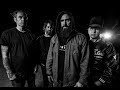
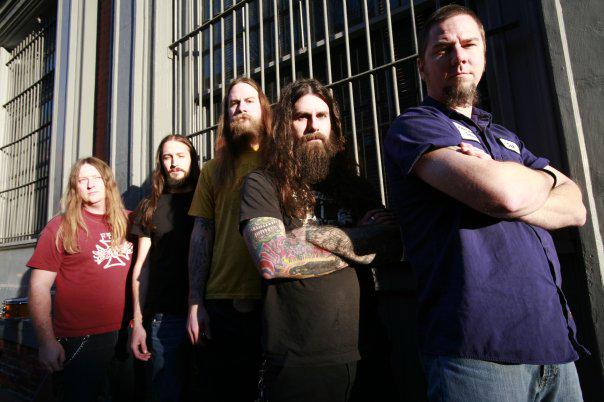
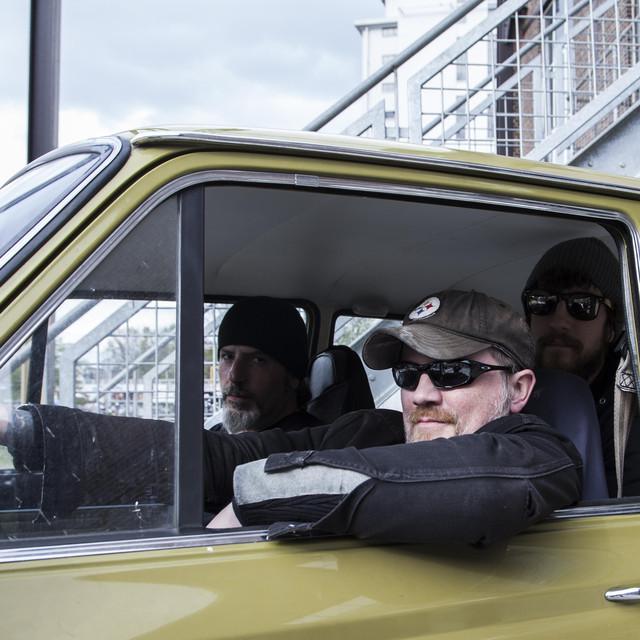
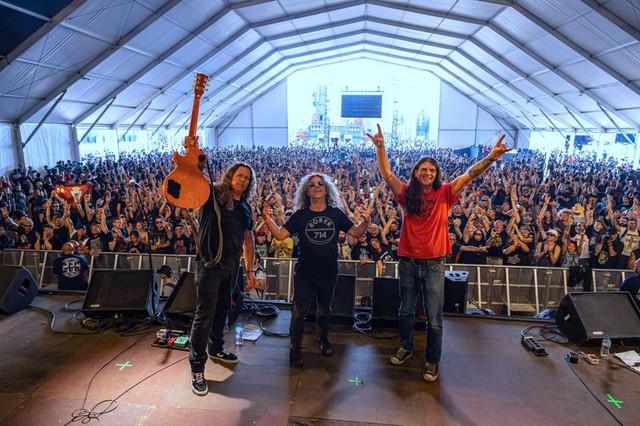
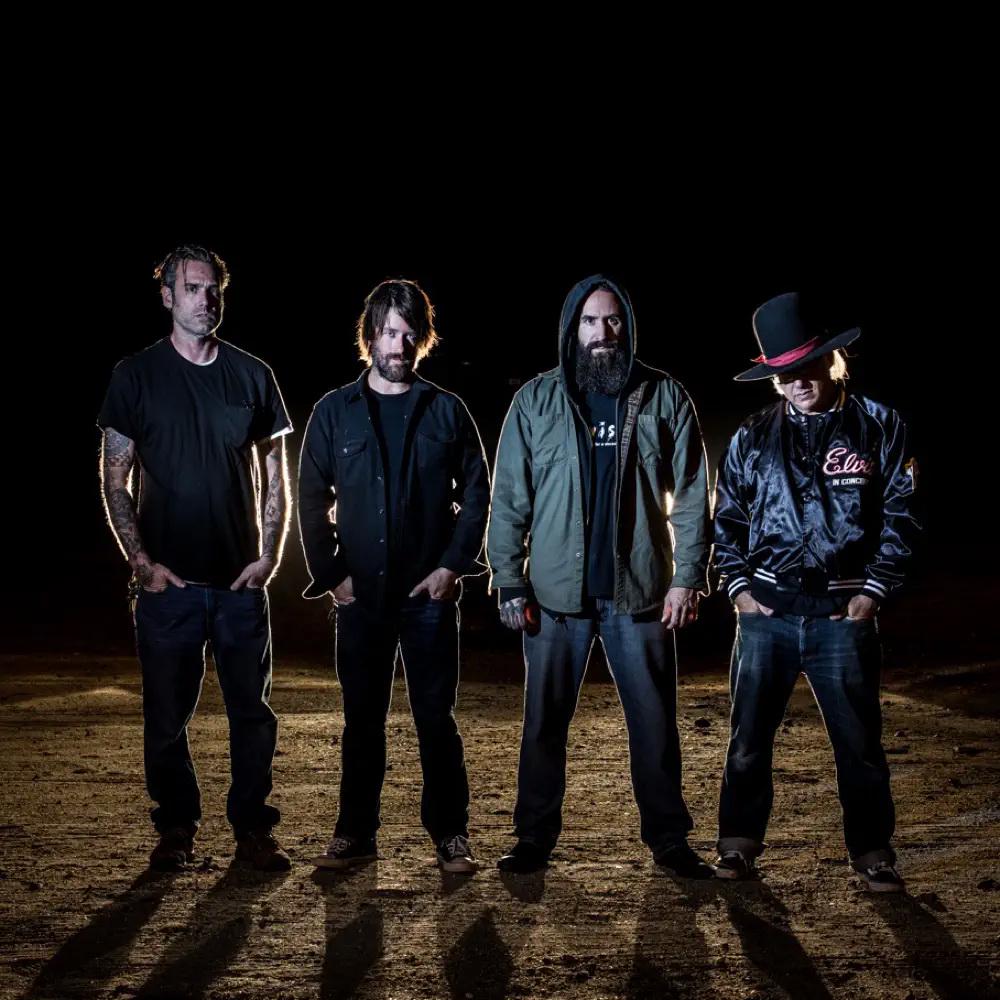
Scissorfight’s Spotify BioNew Hampshire punk rockers Scissorfight formed in 1995 in the town of Portsmouth. The original lineup consisted of guitarist Jay Fortin (who prefers the stage names Geezum H. Crow and F*** You), bassist Jarvis, and drummer Joel Muzzey. Blending extreme genres such as grindcore and post-hardcore, the band hired vocalist Ironlung (named for his ability to take in illegal substances) to "stand there and look scary." Relocating to Boston, the band was not easily accepted by the local music scene due to their extreme behavior. At one show, Ironlung dislocated his shoulder and then spent the entire show trying to punch it back into place. Muzzey would leave the band soon after, and was replaced by Ironlung's brother Kevin J. Strongbow. They recorded their debut, 1996's Guaranteed Kill, and found themselves getting quite a lot of press in the underground. The band followed it up with 1998's Balls Deep, which received good reviews from mainstream publications. Their success in Boston was now… quite impressive, and they signed to independent label Tortuga Recordings to release 1999's New Hampshire. The radio play they received locally earned them a spot at the River Rave festival, where they performed with Cypress Hill and Stone Temple Pilots. They released a covers EP called Piscataqua soon after, and were featured on MTV's You Hear It First segment. In 2001 they released two albums, the original Mantrapping for Sport and Profit and an album of re-recorded songs to be released in Britain called American Cloven Hoof Blues. A series of EPs (Potential New Agent for Unconventional Warfare, Deathchants, Breakdowns and Military Waltzes, Vol. 2, and Victory Over Horseshit) followed, with the full-length Jaggernaut arriving in March 2006. ~ Bradley Torreano, Rovi
Viberate is a music analytics platform built for A&Rs, artist managers, labels, booking agents, marketers, and artists.
It helps music professionals track artist growth, analyze audience data, monitor playlist activity, compare artists, follow song performance, and identify opportunities across the music market.
Public artist pages provide a free preview of selected artist data. Paid plans provide access to deeper analytics, historical data, charts, comparisons, playlist tools, exports, alerts, reports, and additional professional features.
Yes. Public Viberate artist pages provide selected artist analytics and music data for free.
Viberate also offers a 7-day free trial of the full platform. A credit card is required to start the trial. The trial includes access to the complete product so users can test deeper artist analytics, historical views, playlist insights, comparisons, charts, exports, alerts, and reporting features before choosing a paid plan.
Viberate provides artist analytics across streaming, playlists, social media, video, radio airplay, songs, and audience markets.
Users can analyze Spotify performance, Spotify and Apple Music playlists, YouTube activity, TikTok and Instagram growth, radio spins, song performance, audience locations, demographics, rankings, and overall artist momentum.
Artist profiles also connect to music charts, similar artists, and comparison tools, helping users benchmark performance and evaluate artists in context.
Viberate updates key artist and track data daily.
For followed artists and tracks, selected data is refreshed multiple times per day. This helps teams monitor playlist changes, streaming movement, audience growth, releases, and campaign performance with more current data.
Update frequency can vary depending on the metric and data source.
Yes. Viberate lets users compare up to five artists side by side across streaming, social media, audience, and engagement metrics.
Users can compare fanbase growth, audience demographics, locations, Spotify performance, social metrics, and other artist data over selected time periods.
Artist comparison can be used for A&R scouting, benchmarking, booking decisions, campaign planning, and evaluating artists with similar audiences or market positions.